Cranes are critical equipment widely used in industrial manufacturing, warehousing, logistics, construction, and infrastructure projects. Their operational safety directly affects personnel safety, production efficiency, and overall facility stability. A significant number of crane-related accidents are not caused by sudden failures, but by hidden defects that accumulate over time due to insufficient daily inspection.
Whether it is an overhead crane, gantry crane, jib crane, or a crane system equipped with electric hoists, systematic daily inspection is one of the most effective methods to prevent accidents, extend service life, and reduce maintenance costs. This article provides a comprehensive overview of the importance of daily crane inspection, inspection cycles, key inspection items, and management recommendations to help users establish a practical and reliable inspection routine.
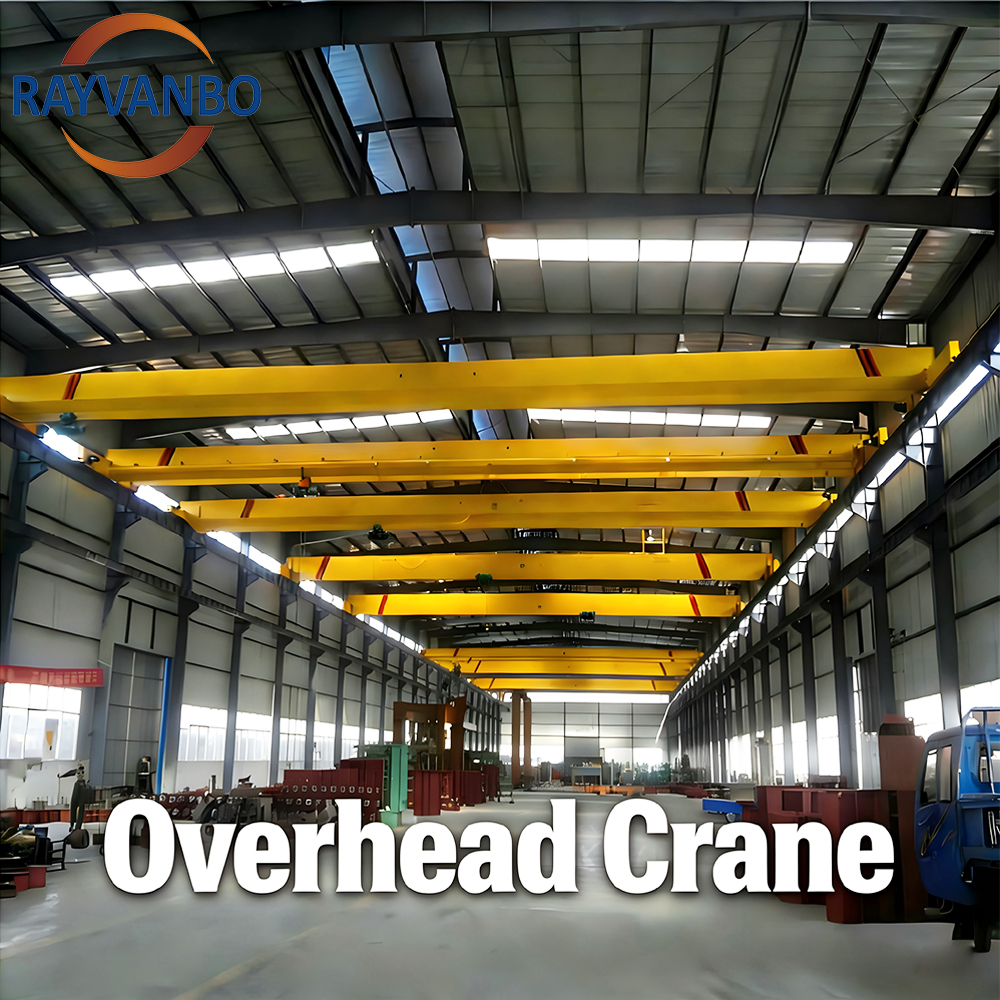
During operation, cranes are continuously subjected to cyclic loads, impact forces, and complex working conditions. Structural fatigue, electrical aging, and mechanical wear are inevitable. Without regular inspection, minor defects can quickly develop into serious safety hazards.
Daily crane inspection allows operators to identify abnormalities at an early stage, such as wire rope wear, brake performance degradation, or loose electrical connections. Early detection helps prevent unexpected breakdowns, unplanned downtime, and safety incidents. In addition, a standardized inspection process improves equipment availability and significantly reduces overall operating costs.
Crane inspections are generally divided into daily inspections, periodic inspections, and special inspections. Among these, daily inspection is the most frequent, fundamental, and critical level.
Daily inspections are typically carried out by crane operators before or during each shift, focusing on visible conditions and basic functional checks. Periodic inspections are conducted weekly, monthly, or quarterly by maintenance professionals and involve more detailed evaluations. Special inspections are performed after major repairs, modifications, or abnormal events.
This article focuses specifically on daily crane inspection, which is the foundation of crane safety management.
The crane structure forms the foundation of load-bearing capacity. During daily inspection, operators should observe the main girder, end carriages, legs, bolts, and welded joints for cracks, deformation, or looseness. Any abnormal structural change may directly affect crane stability and lifting safety.
Attention should also be given to crane rails and supporting structures to ensure proper alignment, secure fastening, and absence of excessive wear. For gantry cranes and jib cranes, special care should be taken to inspect anchor bolts and foundation stability.
The hoisting mechanism is one of the most critical systems of a crane. Daily inspection should include checking wire ropes or load chains for wear, broken strands, corrosion, deformation, or abnormal elongation. Any abnormal condition requires immediate suspension of operation and corrective action.
Hooks should be inspected for cracks, deformation, excessive opening, and proper function of safety latches. Gearboxes and transmission components should be monitored for abnormal noise, vibration, or oil leakage, which often indicate early-stage internal wear.
The braking system is a primary safety device for cranes. During daily inspection, operators should verify that brakes respond quickly and reliably during lifting, lowering, and travel operations. Symptoms such as load drifting, delayed braking, or excessive stopping distance must not be ignored.
Brake linings, springs, and mechanical components should be visually checked for wear and proper reset. Any abnormal braking behavior poses a high risk of load drop accidents and requires immediate corrective measures.
The electrical system ensures controllability and operational safety. Daily inspection should include checking power cables and control cables for damage, aging, or exposed conductors. Electrical terminals must be secure, with no signs of overheating or burning.
Control devices such as pendant controls, push buttons, remote controllers, and emergency stop switches must operate smoothly and reliably. Any malfunction, delayed response, or unintended movement should be addressed immediately to prevent misoperation.
Safety protection devices serve as the final line of defense against accidents. During daily inspection, operators should confirm the proper operation of limit switches, overload protection devices, anti-collision systems, and hook safety latches.
In particular, upper and lower hoisting limit switches must function correctly to prevent over-hoisting or over-lowering. Safety devices must never be bypassed, disabled, or operated in a faulty condition.
During no-load or light-load operation, operators should observe whether the crane runs smoothly and steadily. Unusual noise, vibration, impact, or odors are often early warning signs of mechanical or electrical issues.
Attention should also be paid to travel smoothness, speed consistency, and positioning accuracy. Any deviation from normal operation should be investigated promptly to prevent further deterioration.
Daily inspection not only improves operational safety but also significantly extends crane service life. Early detection and timely correction of minor issues prevent structural damage and system failures, reducing the frequency of major repairs and downtime.
For cranes operating under high duty cycles, daily inspection is especially critical for maintaining long-term stability and reliability.
Safe crane operation begins with standardized daily inspection. We provide professional support including crane inspection guidelines, operator training, and customized maintenance solutions to help reduce operational risks and maximize equipment value.
Contact us today for expert technical support and complete lifting solutions.
 Hot News
2026-09-21
2026-09-02
2026-08-19
2026-07-15
2026-07-09
2026-07-01
 EN
EN