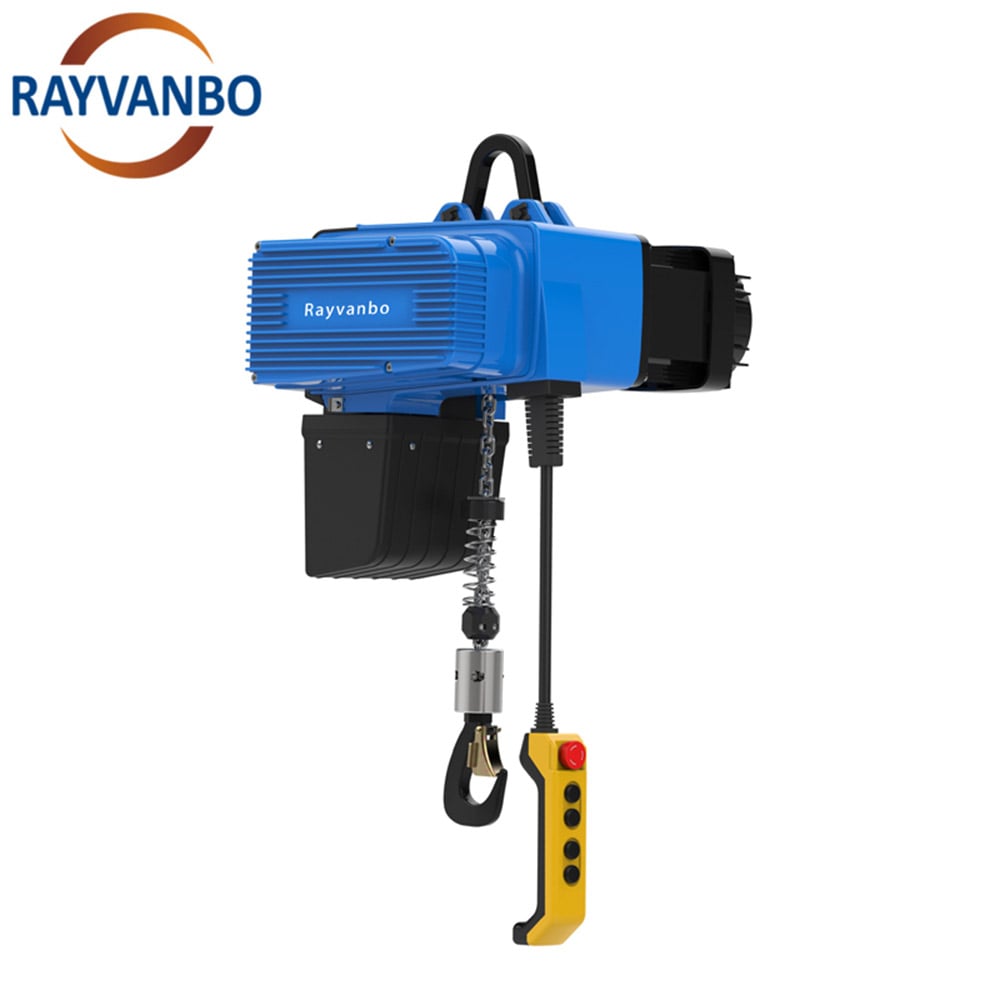
In modern industrial operations, efficient, reliable, and safe industrial lifting solutions are critical for productivity. Air hoists, also called pneumatic hoists, are widely used in workshops, factories, logistics centers, and assembly lines to lift, lower, and position heavy loads with precision. Unlike electric chain hoists, air hoists are powered by compressed air, making them ideal for hazardous environments and areas requiring explosion-proof lifting solutions.
Air hoists are known for their high lifting capacity, durability, smooth operation, and flexibility, making them essential for industrial material handling. They integrate seamlessly with overhead cranes, gantry cranes, jib cranes, and workshop crane systems, offering a versatile solution for industrial operations requiring safe and reliable lifting equipment.
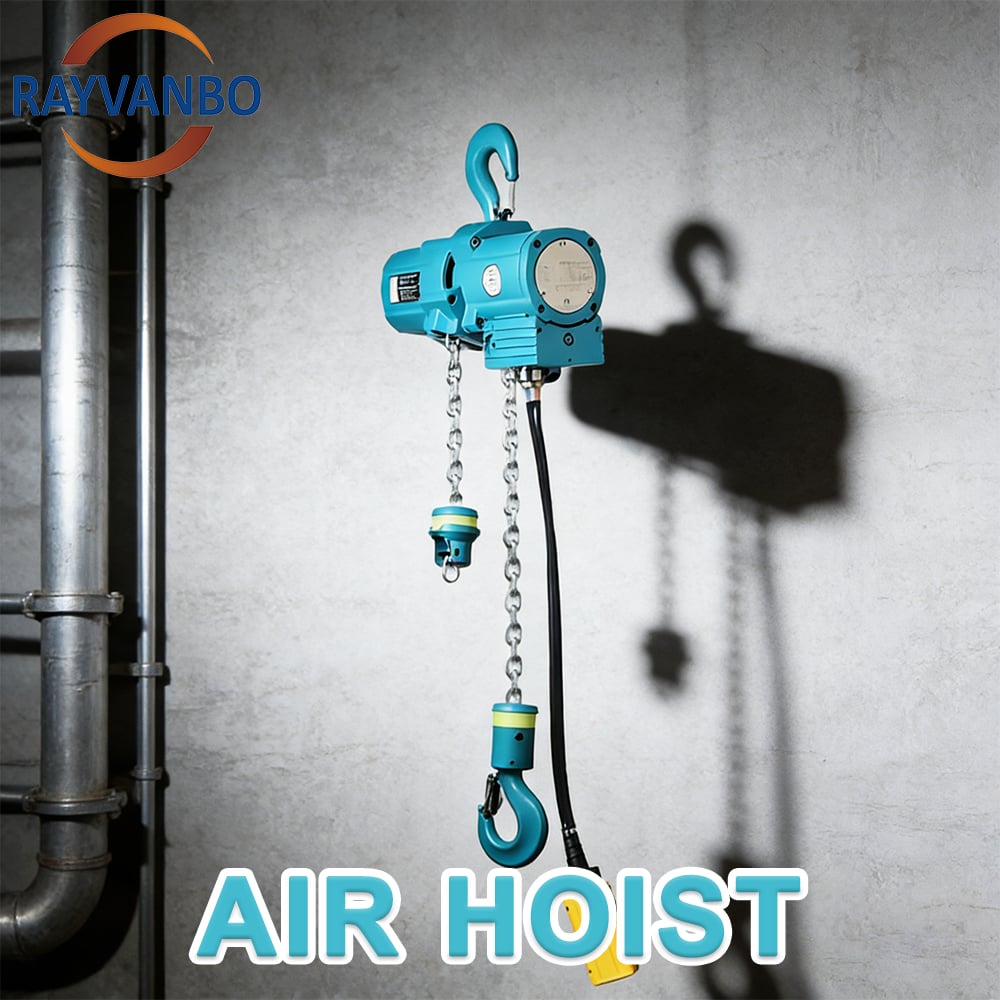
An air hoist uses a pneumatic motor to drive a gearbox and lifting mechanism, raising or lowering a load chain. Compressed air provides smooth, controlled movement, enabling high-frequency lifting without overheating. The pneumatic design makes air hoists ideal for explosion-proof lifting, heavy-duty workshop cranes, and other industrial lifting applications.
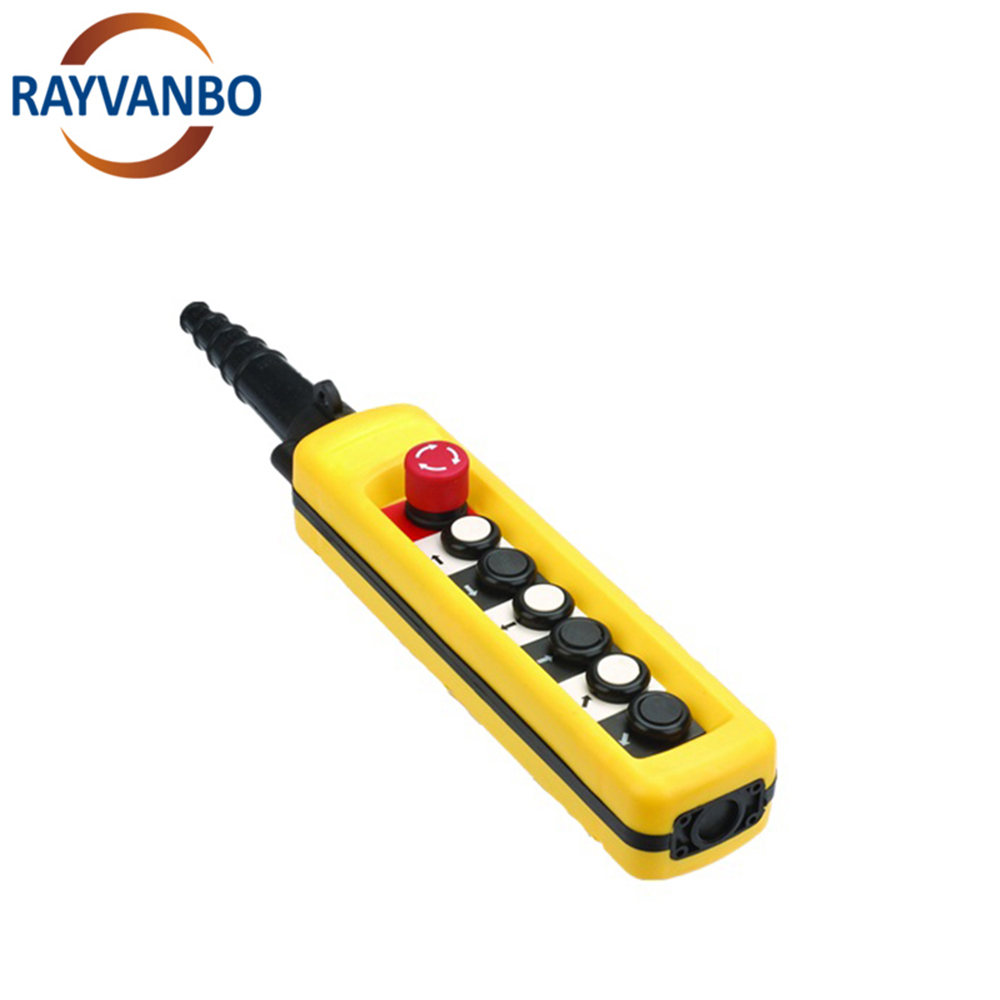
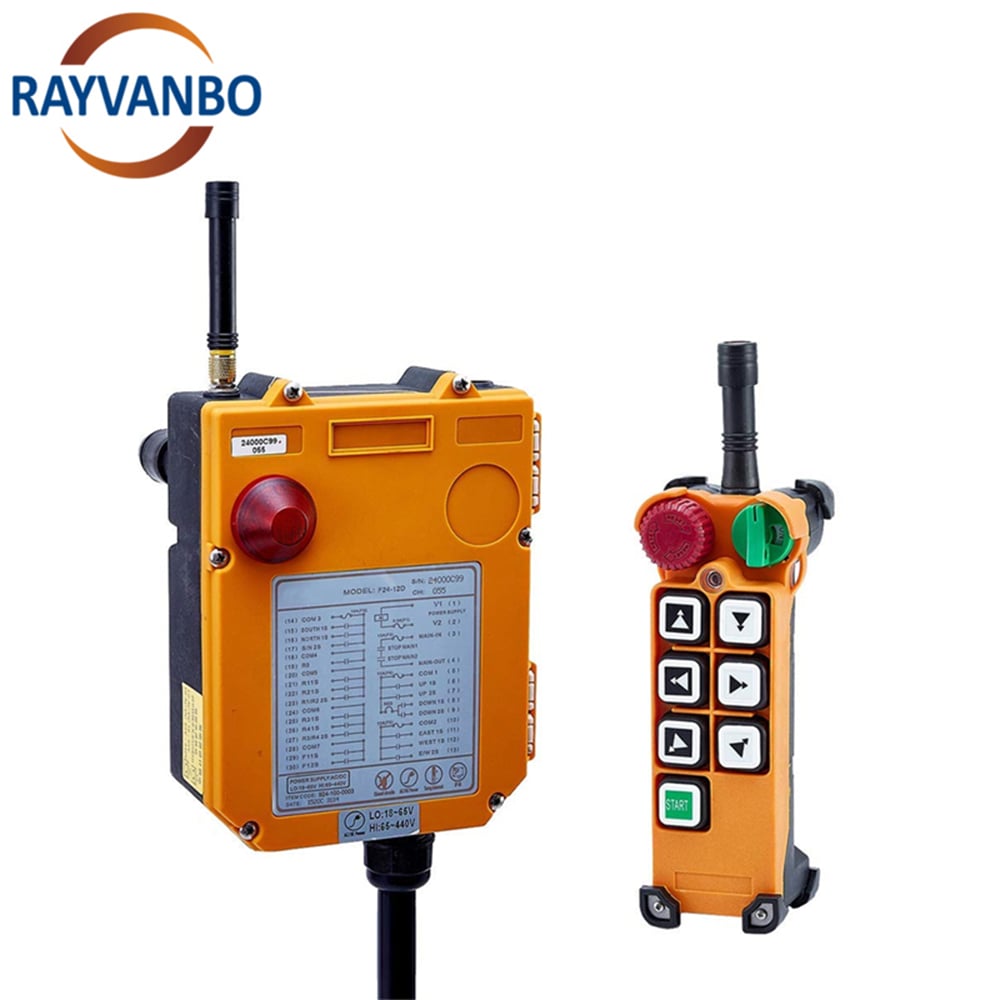
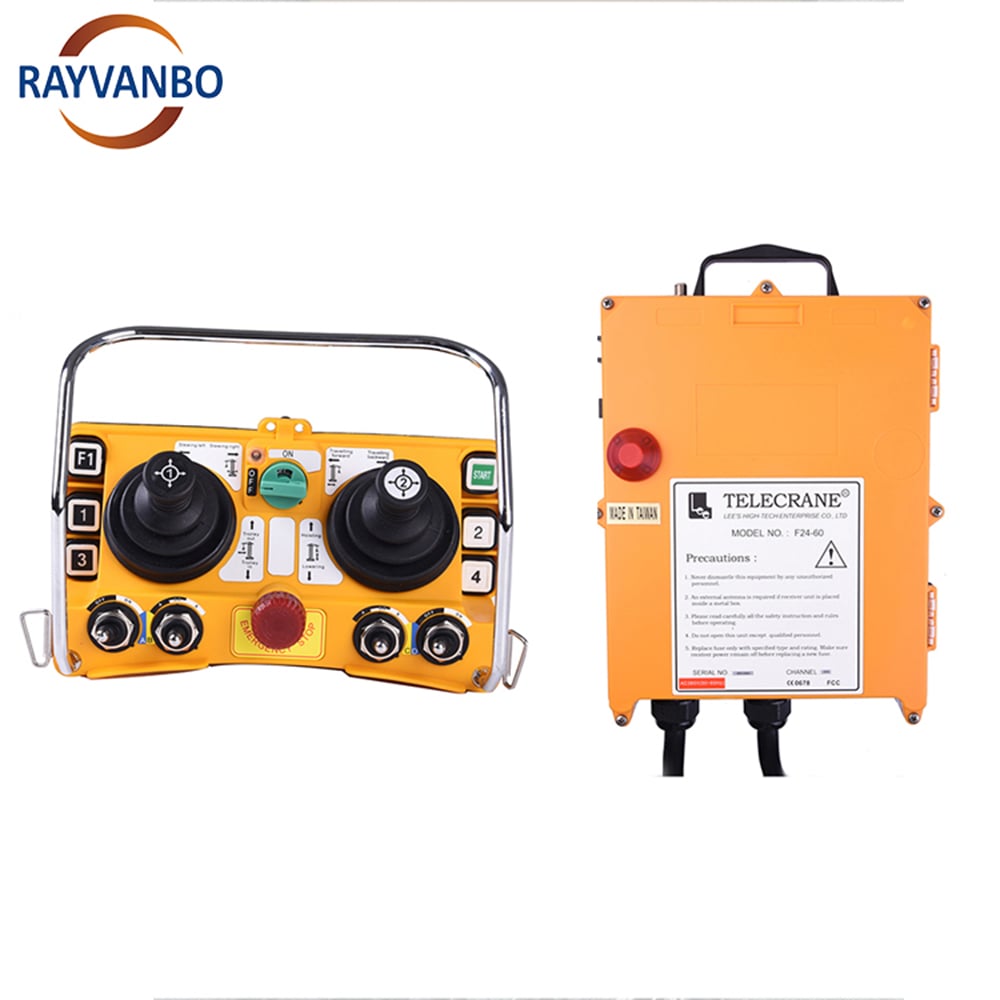
Control is achieved via valves or control pendants, allowing precise acceleration, deceleration, and load positioning. Air hoists also minimize heat generation, reduce maintenance costs, and improve material handling efficiency.
Air hoists provide a range of benefits for industrial applications:
Safety is crucial in industrial lifting applications. Air hoists are equipped with:
Routine maintenance includes chain inspection, hook checks, pneumatic motor maintenance, and ensuring compressed air quality for reliable operation in industrial lifting environments.
Air hoists are widely used for industrial material handling:
By combining air hoists with overhead cranes, gantry cranes, or workshop crane systems, industrial operators can optimize lifting efficiency and safety.
When selecting an air hoist for industrial lifting operations, consider:
Consult suppliers or industrial lifting specialists to choose the most suitable pneumatic hoist.
Can air hoists be used outdoors?
Yes, with proper protection from moisture, dust, and temperature extremes.
What are typical load capacities?
Air hoists range from 250 kg to 10,000 kg depending on model and application.
Are air hoists compatible with overhead cranes?
Yes, they integrate with overhead cranes, gantry cranes, and workshop cranes.
Which air hoist is suitable for low headroom workshops?
Compact or low-profile models are ideal for tight vertical spaces.
Are air hoists safe for hazardous environments?
Yes, pneumatic operation ensures explosion-proof lifting.
Air hoists provide a safe, reliable, and efficient industrial lifting solution. Understanding the working principle, key features, safety measures, applications, and selection criteria allows operators to optimize material handling efficiency and operational safety. With high lifting capacity, durability, and flexibility, air hoists are essential for modern manufacturing plants, maintenance workshops, warehouses, and hazardous industrial environments.
 Hot News
2026-09-21
2026-09-02
2026-08-19
2026-07-15
2026-07-09
2026-07-01
 EN
EN