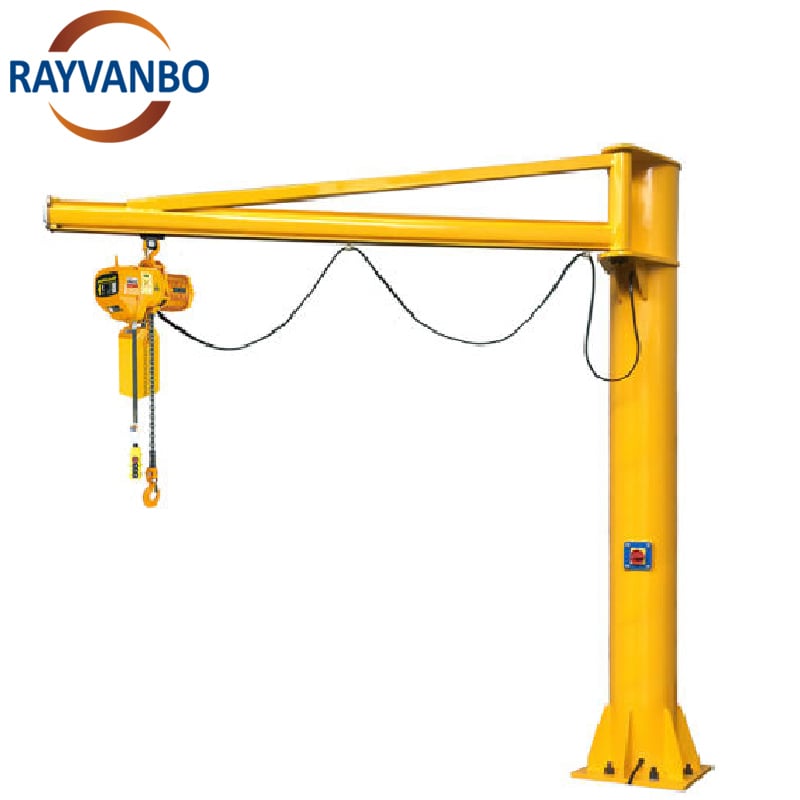
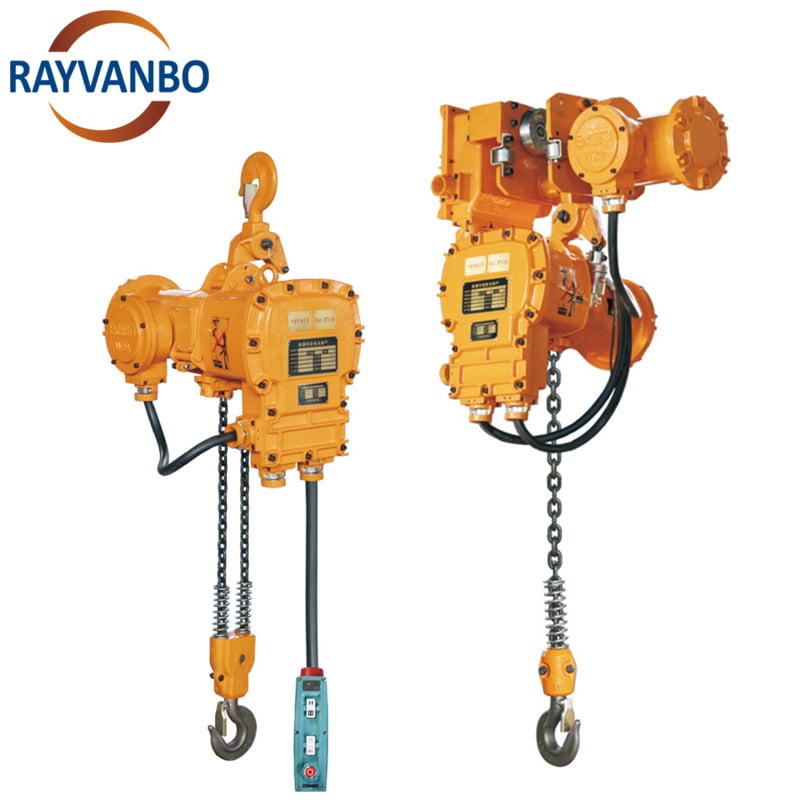
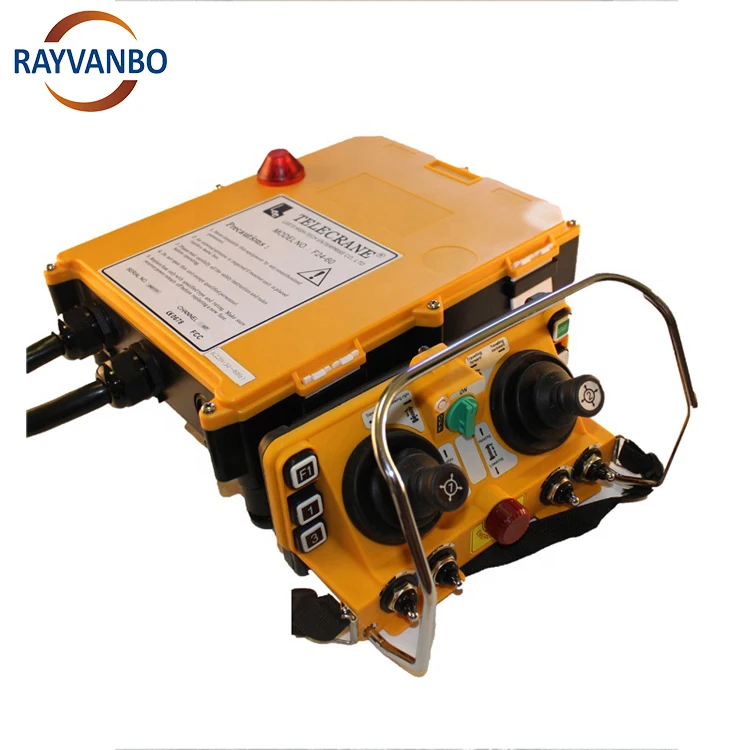
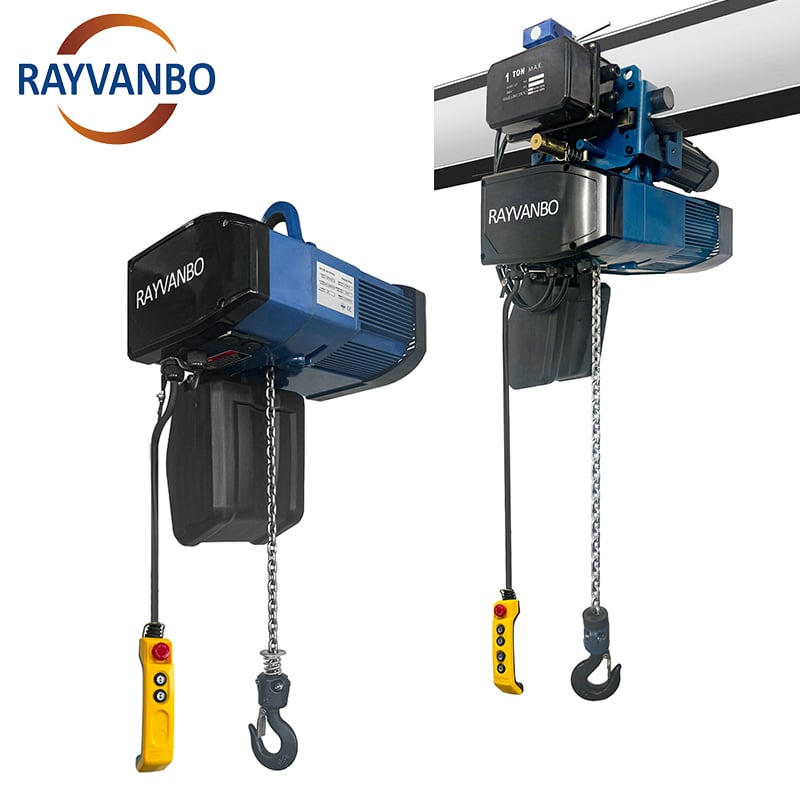
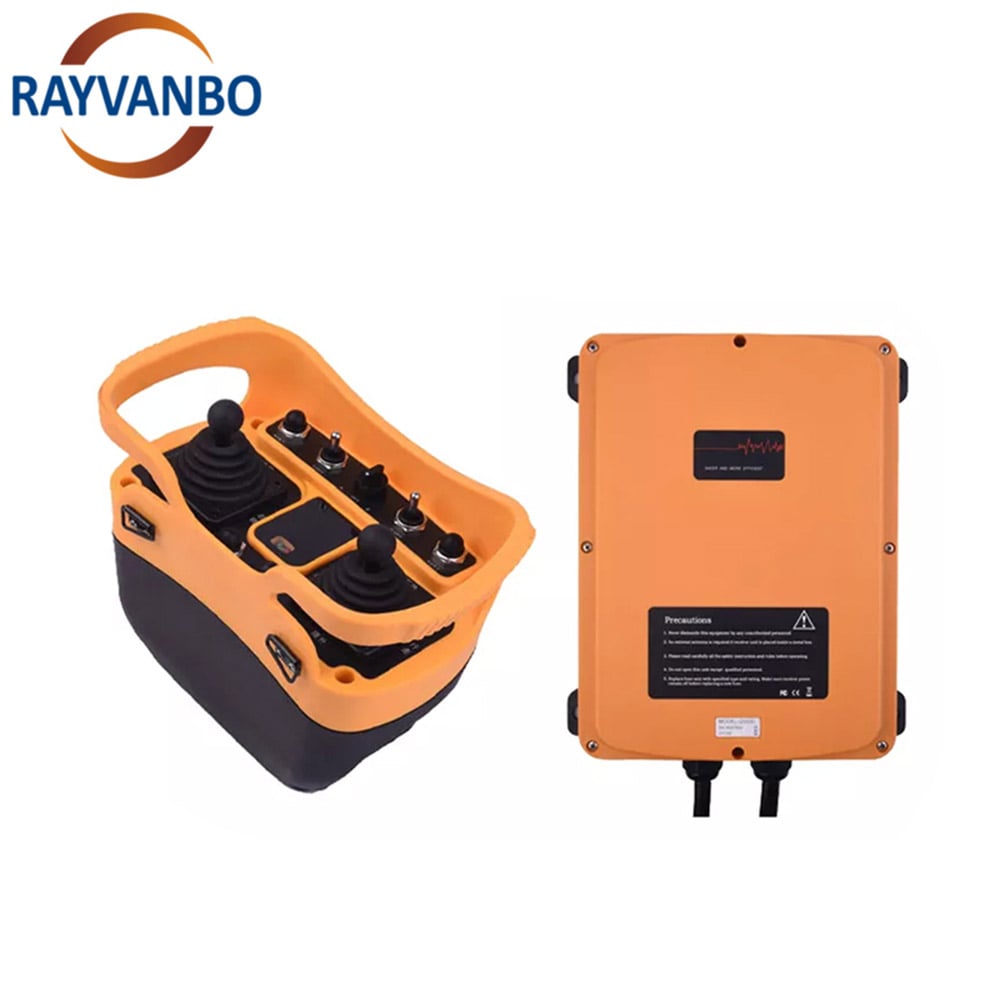
Crane hoists are core lifting equipment in industrial production, warehousing, and logistics scenarios, and their operational safety directly impacts the safety of personnel and property. Industry data shows that most hoist operation accidents stem from improper operation or a lack of safety awareness. Therefore, strictly adhering to the following seven safety operation precautions is a crucial line of defense against accidents.
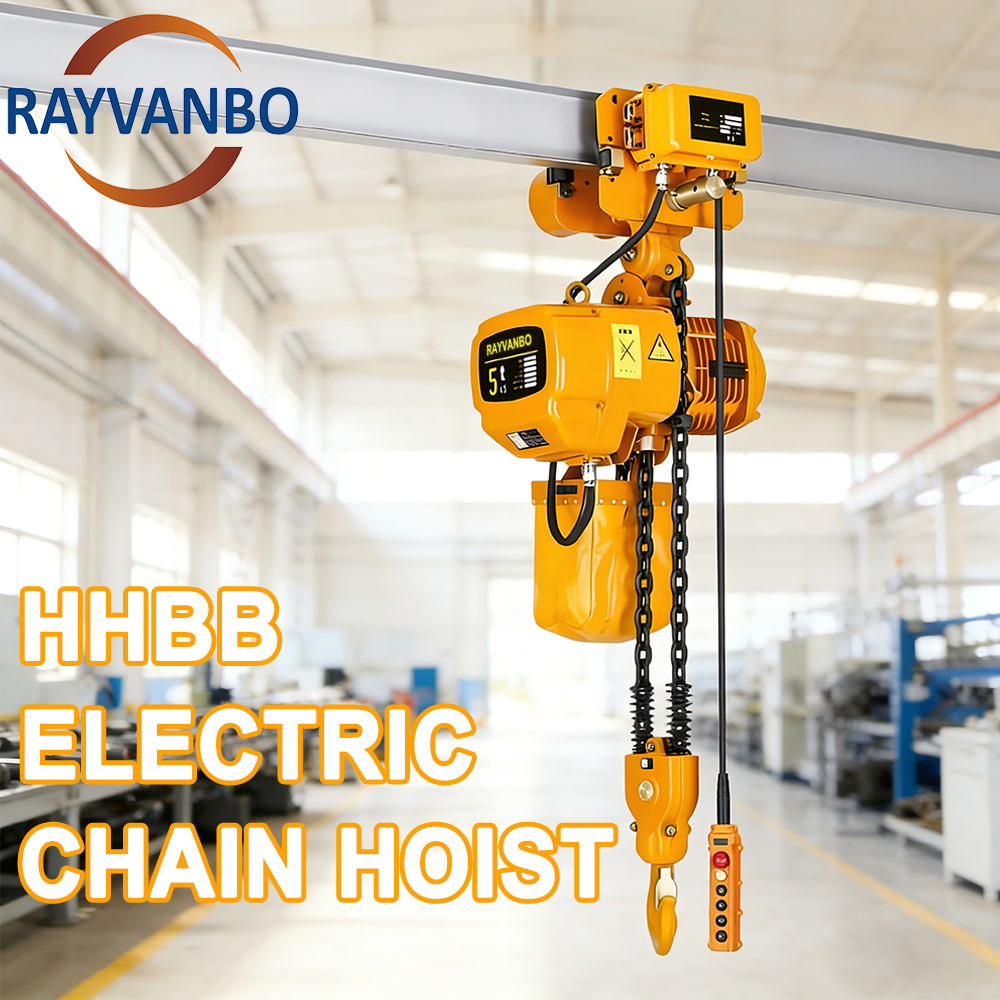
1. Thorough Pre-Operation Inspection
Before operation, a comprehensive inspection of the hoist's hook, chain, wire rope, brake, and other key components is required. Confirm that there are no defects such as wear, deformation, or breakage. Simultaneously check that lubrication is sufficient and the control system is sensitive. If any problems are found, immediately stop the machine and report for repair. Operating a malfunctioning hoist is strictly prohibited.
2. Overloading is Strictly Prohibited
Each crane hoist has a clearly defined rated load. The weight of the load must be verified before operation, and overloading is strictly prohibited. Overloading can easily lead to chain breakage, hook deformation, and accidents caused by falling loads, with potentially disastrous consequences.
3. Standardized Binding and Lifting
Heavy loads must be securely and reliably bound. Appropriate lifting tools should be used to ensure even force distribution, avoiding single-point lifting or loose binding.
4. Maintain a safe working distance
Warning signs must be posted in the lifting area, and unauthorized personnel are prohibited from entering. Operators should maintain a sufficient safe distance from the lifted load to avoid collisions when the load swings. Standing or walking under the load is strictly prohibited.
5. Operate smoothly to prevent impact
During lifting, lowering, and operation, movements must be slow and smooth. Avoid sudden acceleration, braking, or changes of direction to prevent inertial impacts that could damage the equipment or cause the load to fall.
6. Exercise caution in special environments
When operating in harsh environments such as high temperature, humidity, rain, snow, or strong winds, assess the impact of the environment on the equipment and take protective measures if necessary. Outdoor high-altitude hoisting operations are strictly prohibited in windy weather to prevent the load from swinging uncontrollably.
7. Timely post-operation maintenance
After the operation is completed, the hoist must be parked in the designated location, the power supply disconnected, and debris cleaned from the equipment surface. Regularly maintain and record the hoist's operation to ensure it remains in good working order.
Safety is paramount, and responsibility is of utmost importance. Crane hoist operation must strictly adhere to regulations, integrating safety awareness into every step to fundamentally prevent accidents and ensure operational safety and stable production.
 Hot News
2026-09-21
2026-09-02
2026-08-19
2026-07-15
2026-07-09
2026-07-01
 EN
EN