As manufacturing enters the era of Industry 4.0, factories are becoming increasingly intelligent, automated, and connected. Smart manufacturing relies on advanced technologies such as robotics, automation systems, data monitoring, and intelligent logistics.
In this transformation process, the lifting system has become an essential component of modern production environments. Whether in heavy industry, automotive production, steel fabrication, or equipment manufacturing, cranes and hoists play a crucial role in smart manufacturing systems.
A well-designed industrial lifting system not only improves production efficiency but also enhances safety, reduces labor costs, and enables seamless material handling across automated production lines.
This article explores the role of lifting systems in smart manufacturing, how cranes and hoists integrate with automated factories, and why choosing the right lifting equipment is critical for modern industrial operations.
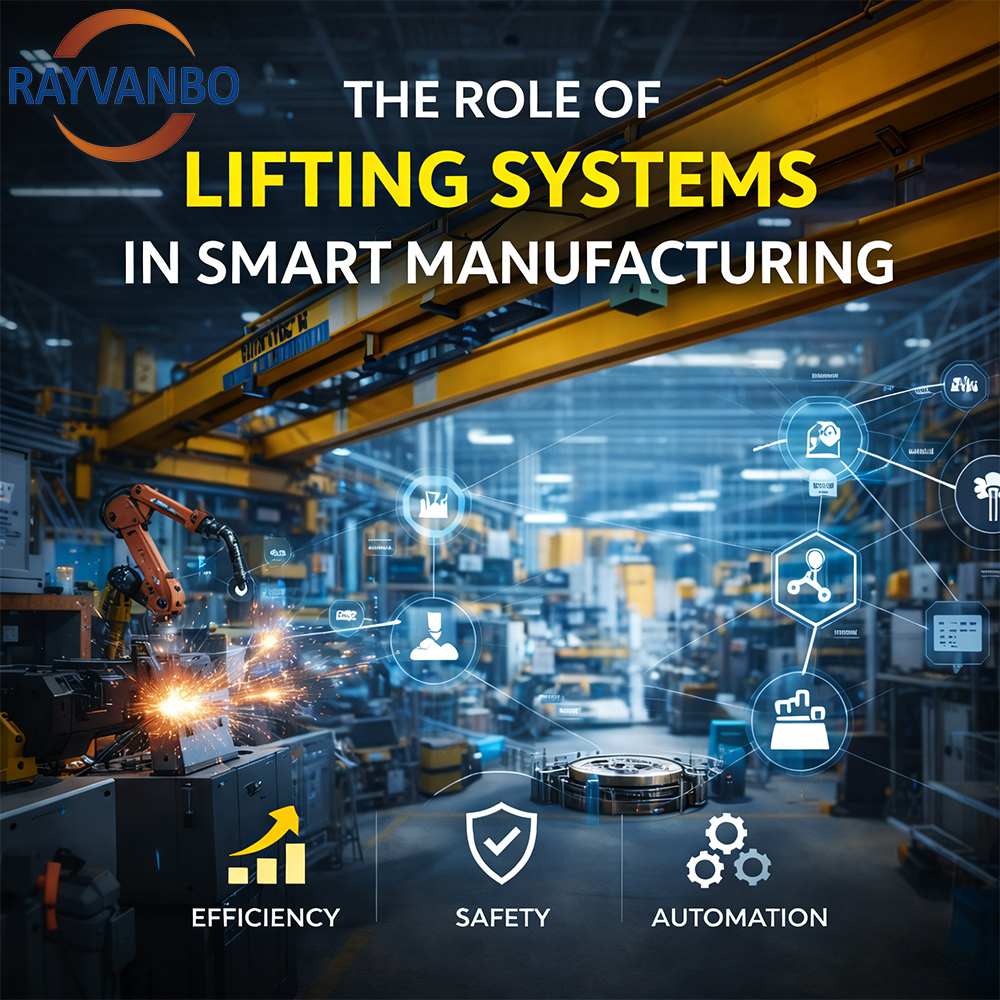
A lifting system refers to the combination of cranes, hoists, trolleys, and control systems used to move heavy materials within industrial facilities.
Typical components of a smart lifting system include:
In a smart manufacturing environment, lifting systems are no longer just mechanical equipment. Modern crane systems and hoists are integrated with digital technologies, automation platforms, and smart monitoring systems.
These intelligent lifting systems enable factories to achieve:
As a result, smart factories rely heavily on advanced lifting equipment to maintain efficient production flows.
One of the most important functions of a lifting system in smart manufacturing is efficient material handling.
Factories often deal with heavy components such as steel parts, machinery components, molds, or large assemblies. Manual handling is inefficient and unsafe for such operations.
Modern cranes and electric hoists allow manufacturers to move materials quickly and precisely across production lines.
Benefits include:
With the help of automated crane systems, factories can ensure that materials are delivered exactly where and when they are needed.
Smart manufacturing depends heavily on automated production systems.
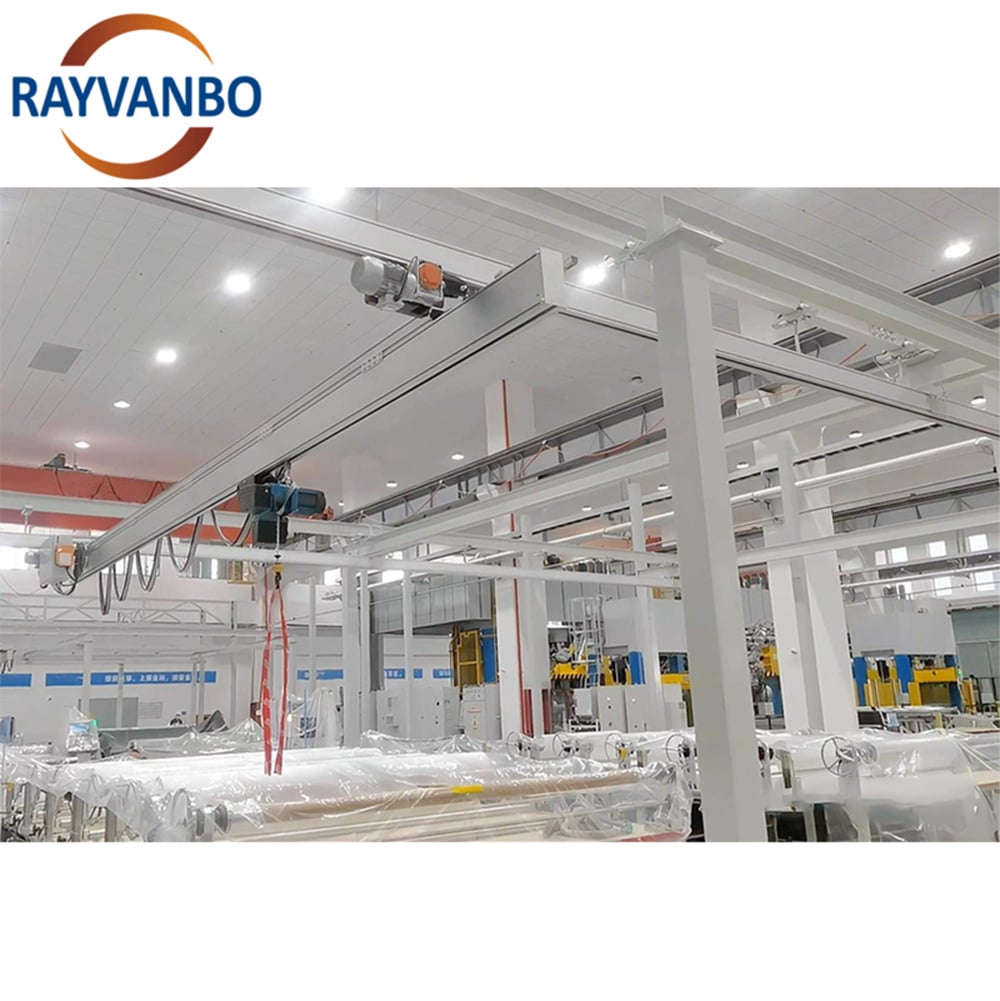
In many factories, lifting systems are integrated directly with automated production lines. For example, overhead cranes or hoists can transport components between robotic workstations, assembly stations, or machining centers.
This integration enables:
By integrating hoists and crane systems with factory automation, manufacturers can achieve smoother workflows and reduce operational interruptions.
Safety is a major priority in any industrial environment. Handling heavy loads manually can result in serious workplace injuries.
A reliable industrial lifting system significantly improves safety in manufacturing facilities.
Modern electric hoists and crane systems are equipped with advanced safety features, including:
These safety mechanisms ensure that lifting operations remain stable, controlled, and safe.
As a result, lifting systems play a critical role in building safer smart factories.
One of the characteristics of smart manufacturing is flexible production.
Factories frequently adjust production layouts to accommodate new products, changing orders, or different manufacturing processes.
Flexible lifting systems such as overhead cranes and jib cranes allow manufacturers to adapt their facilities quickly.
Compared with fixed conveyor systems, cranes and hoists provide greater flexibility in material handling, allowing operators to move loads in multiple directions across the workspace.
This flexibility supports:
For modern smart factories, flexible lifting equipment is an important advantage.
Another important feature of smart lifting systems is digital integration.
Modern cranes and electric hoists can be equipped with smart control technologies such as:
These smart technologies allow factory managers to monitor lifting equipment performance in real time.
Benefits include:
With these capabilities, lifting systems become an integral part of smart manufacturing infrastructure.
Different manufacturing environments require different lifting equipment solutions.
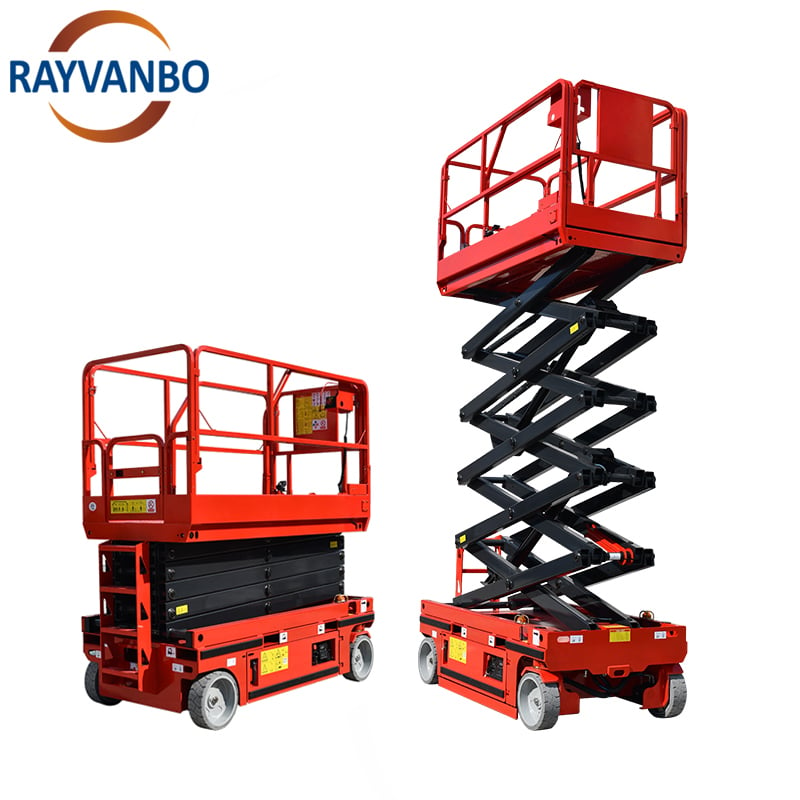
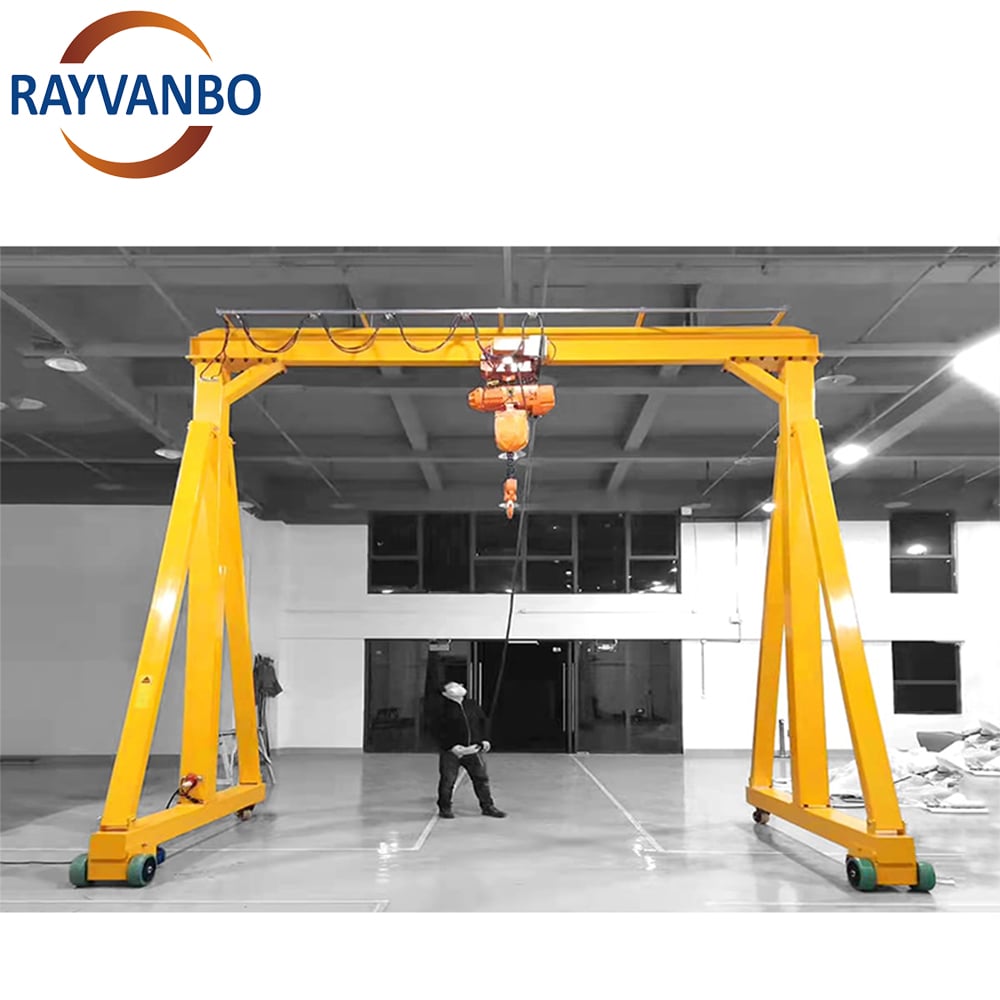
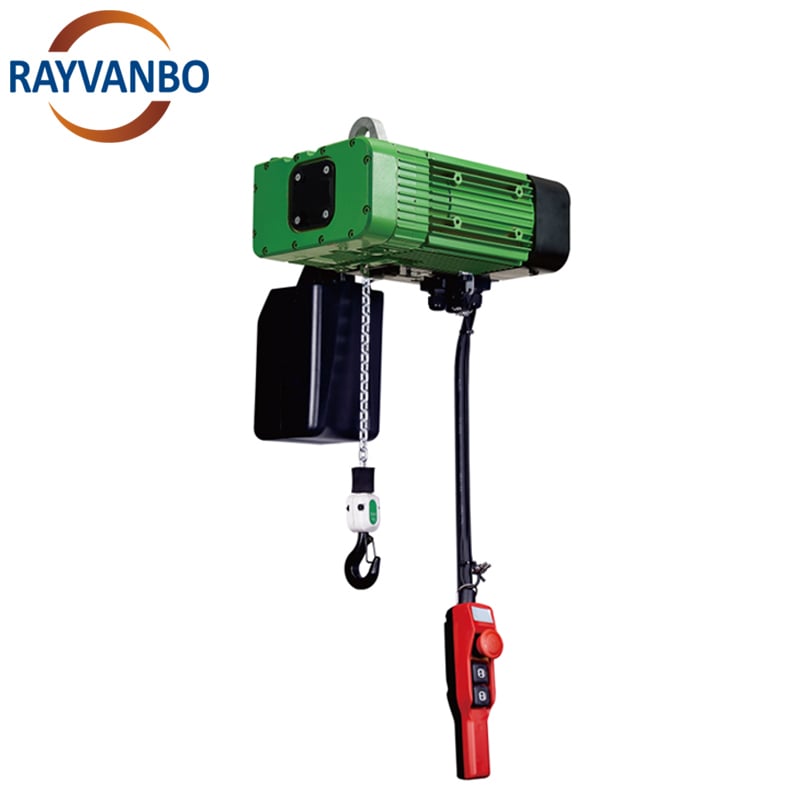
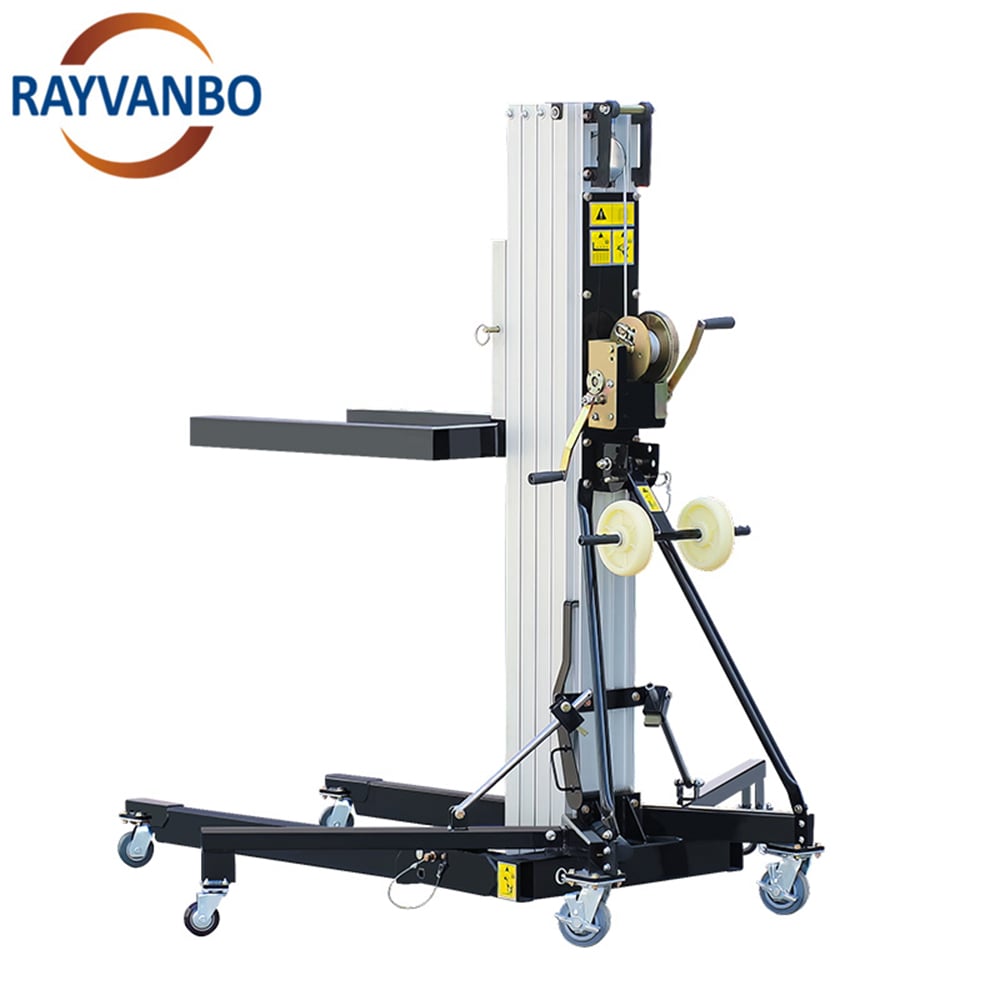
Below are some of the most common lifting systems used in smart manufacturing.
Lifting Equipment |
Application |
Key Advantages |
Assembly lines, workshops |
Compact, precise lifting |
|
Heavy industrial lifting |
High load capacity |
|
Large manufacturing plants |
Wide coverage area |
|
Outdoor yards, warehouses |
Flexible installation |
|
Workstations |
Efficient localized lifting |
Selecting the appropriate crane or hoist system is essential for maximizing the benefits of smart manufacturing.
When selecting a lifting system for a smart factory, manufacturers should consider several important factors.
Determine the maximum weight the lifting equipment must handle.
High-frequency operations require heavy-duty hoists and cranes designed for continuous use.
Choose lifting equipment that can integrate with automated production systems and smart factory controls.
Ensure the system includes advanced safety features and meets international standards.
Consider ceiling height, workspace layout, and production line configuration.
By carefully evaluating these factors, manufacturers can choose the most efficient lifting system for their smart manufacturing operations.
As the manufacturing industry continues to move toward Industry 4.0 and smart factories, lifting systems are becoming more important than ever.
Modern crane systems and hoists are no longer just lifting tools—they are key components of intelligent manufacturing infrastructure.
A well-designed industrial lifting system helps manufacturers:
For companies seeking to upgrade their facilities, investing in advanced lifting equipment and smart crane systems is an essential step toward achieving efficient, automated, and intelligent production.
 Hot News
2026-09-21
2026-09-02
2026-08-19
2026-07-15
2026-07-09
2026-07-01
 EN
EN