In modern industrial environments, lifting equipment systems are widely used in manufacturing plants, warehouses, construction sites, and logistics centers. These systems handle heavy materials and large components that cannot be moved manually. Because of the weight and scale of these loads, the stable operation of lifting equipment systems is extremely important.
A stable lifting system ensures smooth material handling, improves workplace safety, and prevents costly equipment downtime. To achieve reliable operation, industrial lifting systems must combine strong structural design, high-quality components, advanced safety mechanisms, and proper maintenance practices.
Understanding how these factors work together can help companies improve the efficiency and reliability of their industrial lifting equipment.
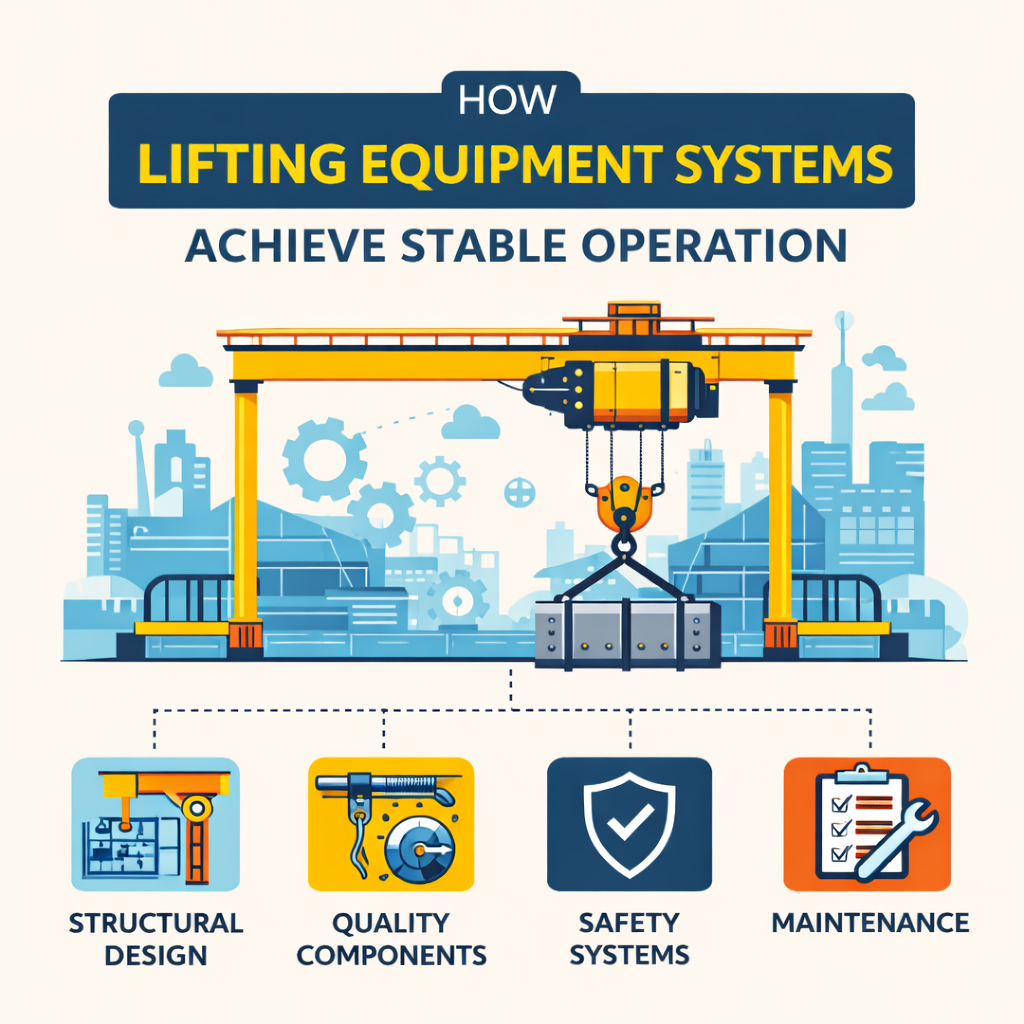
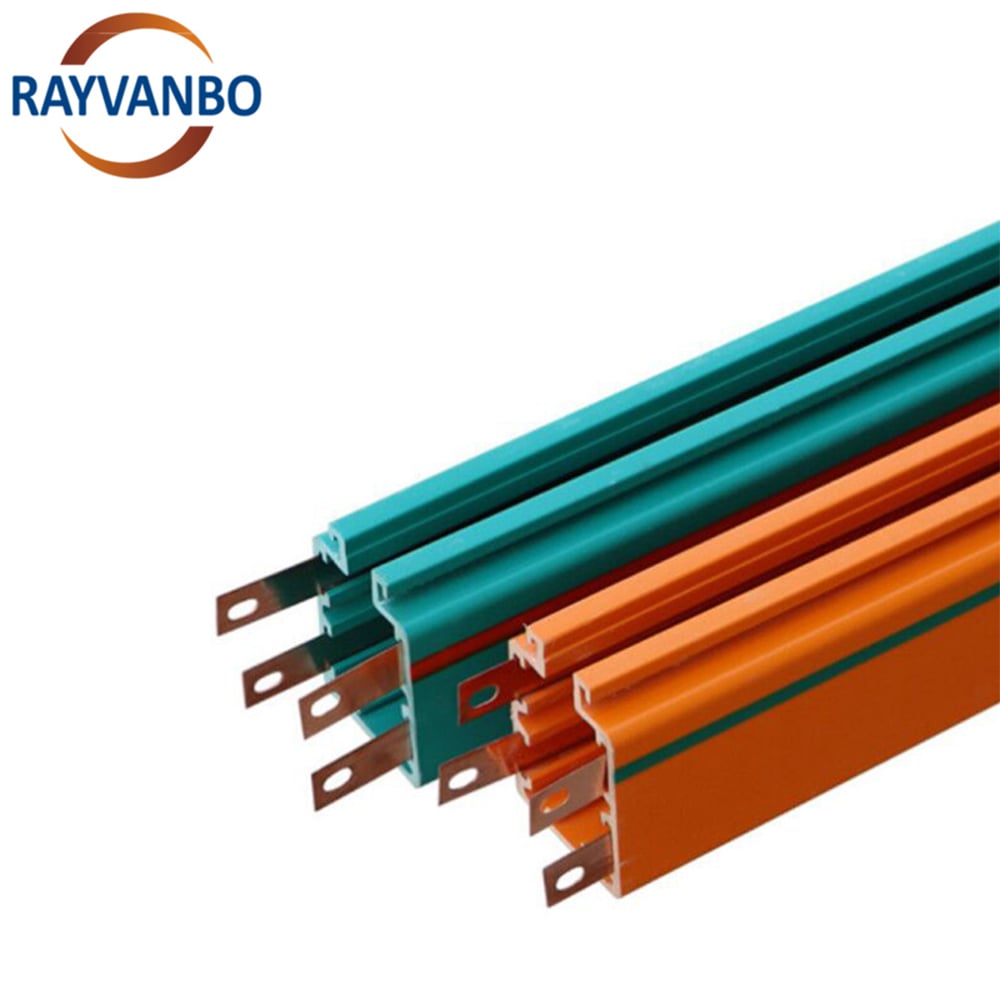
The stability of any lifting system begins with its structural design. Components such as crane beams, support frames, and rails must be engineered to handle the expected load capacity and working conditions.
For example, overhead crane systems are designed with strong steel structures and precision-engineered beams that distribute weight evenly across the runway rails. This balanced load distribution helps prevent structural stress and ensures smooth crane movement during lifting operations.
In addition, proper installation and alignment of rails, beams, and supports are essential. Even small misalignments can affect system stability and reduce operational efficiency.
Another key factor that determines the stability of a lifting system is the quality of the hoist and lifting components.
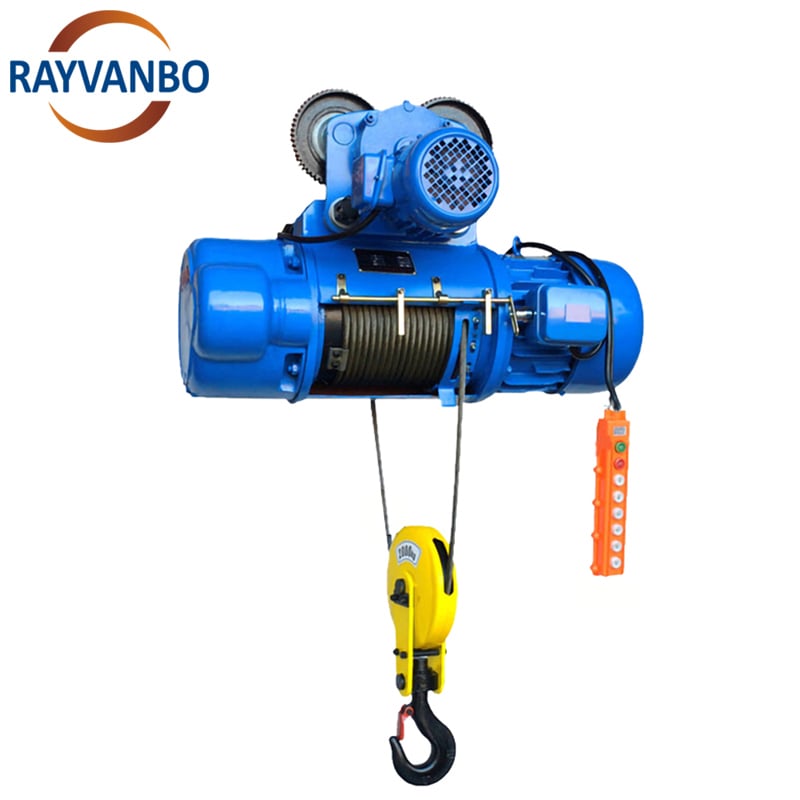
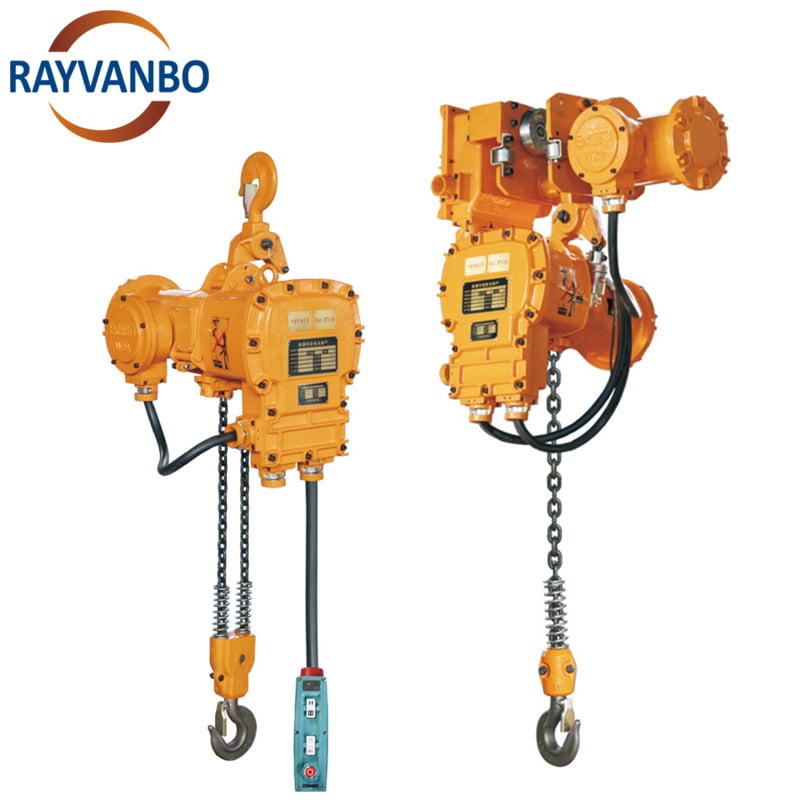
Electric hoists, including electric chain hoists and wire rope hoists, are responsible for the actual lifting action. These devices must provide smooth acceleration, stable lifting speed, and reliable braking performance.
High-quality hoists typically include durable load chains or wire ropes, precision gearboxes, and powerful motors that ensure consistent performance under heavy loads. When combined with well-designed trolley mechanisms, these hoists allow loads to move smoothly along crane beams without sudden movements or vibrations.
Reliable lifting components also reduce mechanical wear and improve the long-term stability of the entire lifting system.
Safety mechanisms play a crucial role in maintaining stable lifting operations. Modern industrial lifting equipment is equipped with multiple protection systems designed to prevent accidents and equipment failure.
Common safety features include overload protection devices, upper and lower limit switches, emergency stop buttons, and braking systems. These components monitor the lifting process and automatically stop the system if abnormal conditions occur.
For example, overload protection prevents the system from lifting loads that exceed the rated capacity. Limit switches ensure that the hoist does not travel beyond its safe range. These safety devices protect both the equipment and the operators, ensuring stable operation under various working conditions.
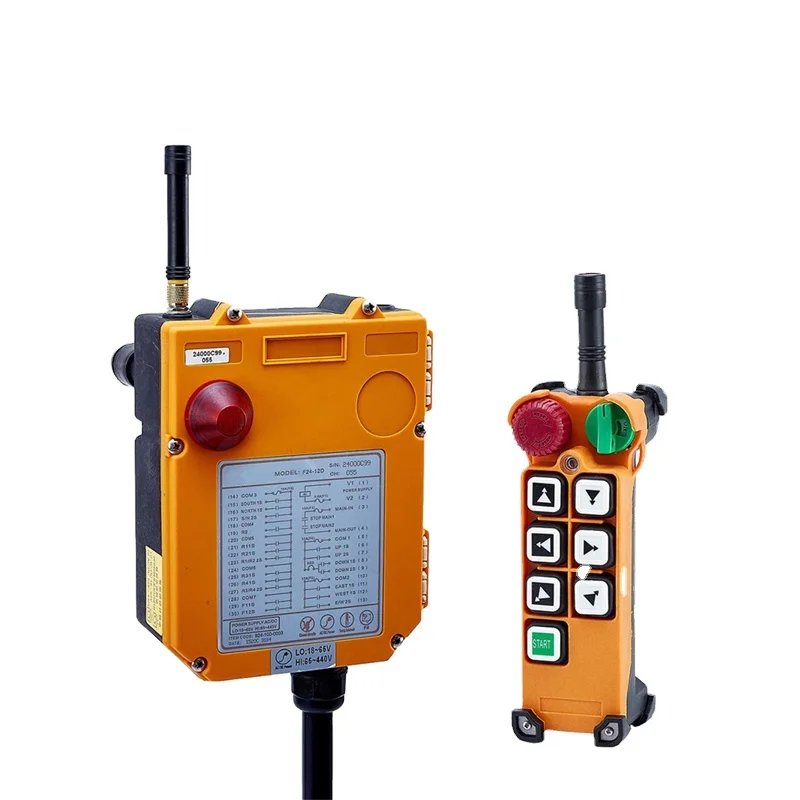
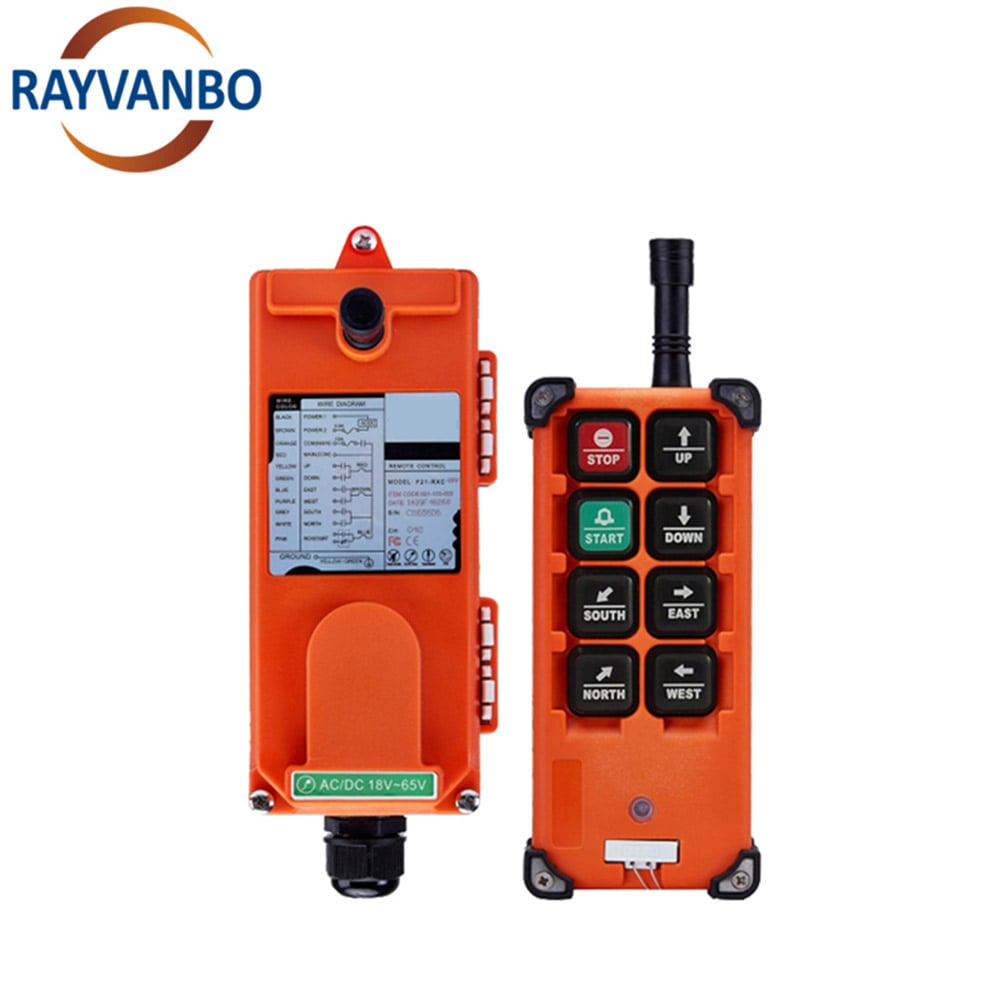
Precise control systems are another essential element of stable lifting equipment operation. Modern crane systems often use Handle pendant , wireless remote controls,or automated control systems to manage lifting and movement.
Advanced motion control technology allows lifting equipment to start and stop smoothly, reducing sudden movements that could cause load swinging or mechanical stress.
In some modern factories, lifting systems are integrated with PLC control systems and smart manufacturing software, allowing operators to monitor performance and control equipment more accurately. This level of control improves operational stability and increases production efficiency.
Even the most advanced lifting equipment systems require regular maintenance to ensure long-term stability. Routine inspections help detect wear, alignment issues, or component damage before they develop into serious problems.
Maintenance procedures typically include checking load chains or wire ropes, inspecting brakes and motors, lubricating moving parts, and testing safety systems.
Proper maintenance not only extends the lifespan of the equipment but also ensures that lifting systems continue to operate smoothly and safely in demanding industrial environments.
Stable lifting equipment systems are critical for maintaining productivity in industrial facilities. When lifting systems operate reliably, materials can move efficiently through production processes without interruption.
In manufacturing plants, stable crane systems help transport heavy components between production stations. In warehouses and logistics centers, they enable fast and safe loading and unloading of large cargo. In construction and heavy engineering projects, stable lifting equipment is essential for handling large structural elements.
By ensuring smooth and reliable operation, lifting equipment systems help companies reduce operational risks and improve overall production efficiency.
The stable operation of lifting equipment systems depends on several important factors, including structural design, high-quality hoists, reliable safety mechanisms, advanced control systems, and regular maintenance.
When these elements work together, industrial lifting systems can operate smoothly and safely even under heavy workloads. For companies that rely on material handling equipment, investing in reliable lifting systems is essential for improving productivity and ensuring workplace safety.
As industries continue to adopt automation and smart manufacturing technologies, lifting equipment systems will become even more efficient, intelligent, and reliable.
If you are looking for reliable lifting equipment systems or electric hoist solutions, our professional team can provide customized lifting solutions tailored to your industrial needs.
✔ Electric hoist systems
✔ Overhead crane solutions
✔ Industrial material handling design
✔ Global export service and technical support
Contact us today to get expert advice and a competitive quotation.
 Hot News
2026-09-21
2026-09-02
2026-08-19
2026-07-15
2026-07-09
2026-07-01
 EN
EN