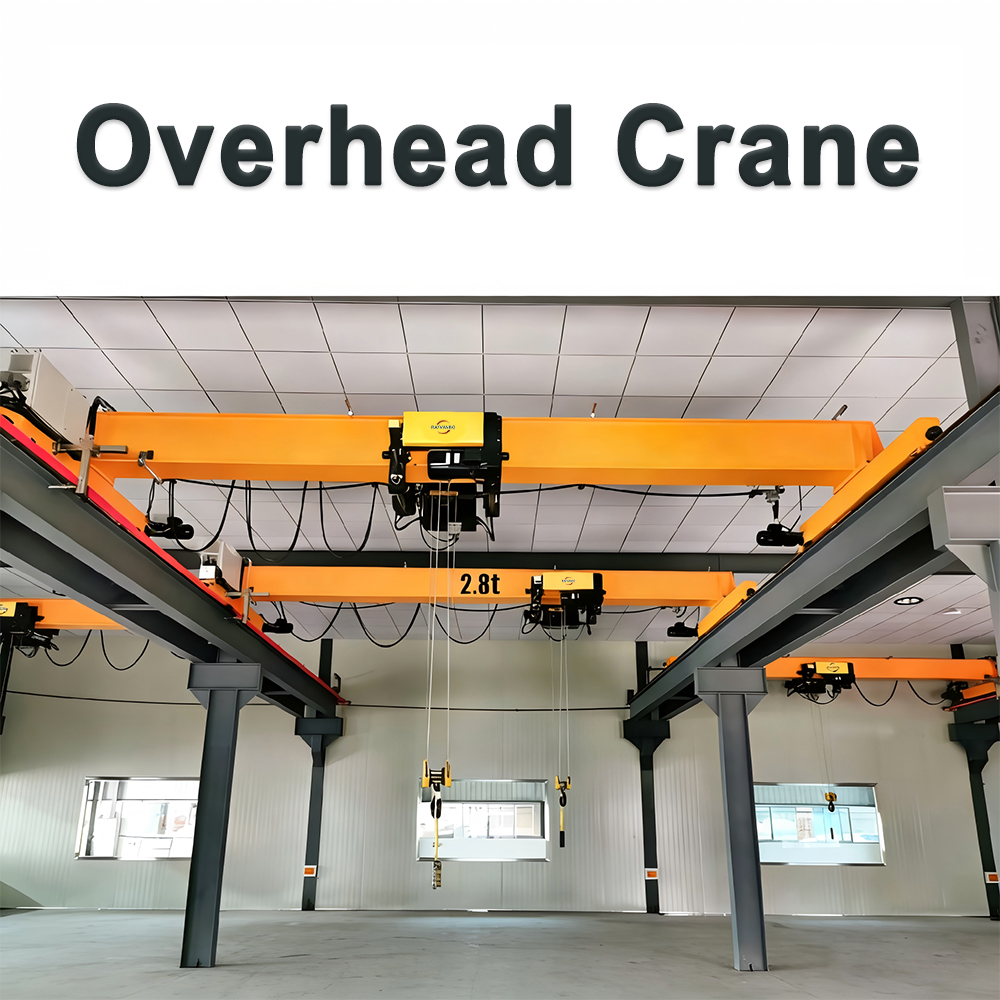
The Fundamental Relationship Between Span Length and Overhead Crane Stability Static equilibrium, global stiffness, and lateral torsional buckling dependence on span The length of the span plays a major role in determining three key aspects of sta...
VIEW MORE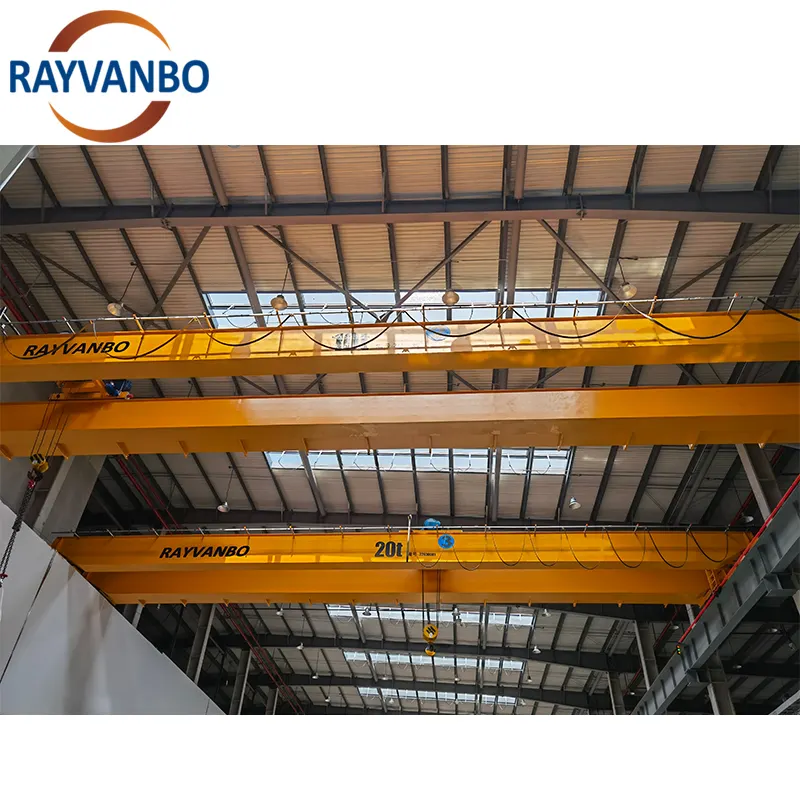
Overhead Cranes as Core Enablers of Lean Material Flow Why disrupted material flow is the #1 lean value-stream bottleneck Material flow problems take up anywhere from 22 to 35 percent of all non-value added time in lean manufacturing shops accordi...
VIEW MORE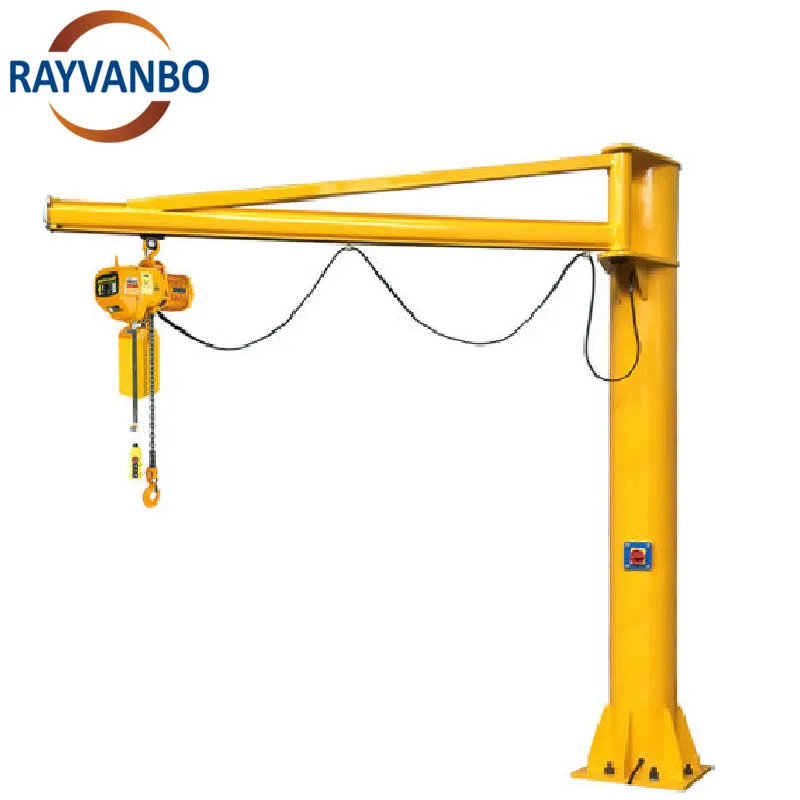
Understanding Load Frequency and Its Role in Industrial Crane Duty Classification From Operational Cycles to ISO 4301 Duty Classes for Industrial Cranes Industrial cranes are classified under ISO 4301 based on load magnitude and operational freque...
VIEW MORE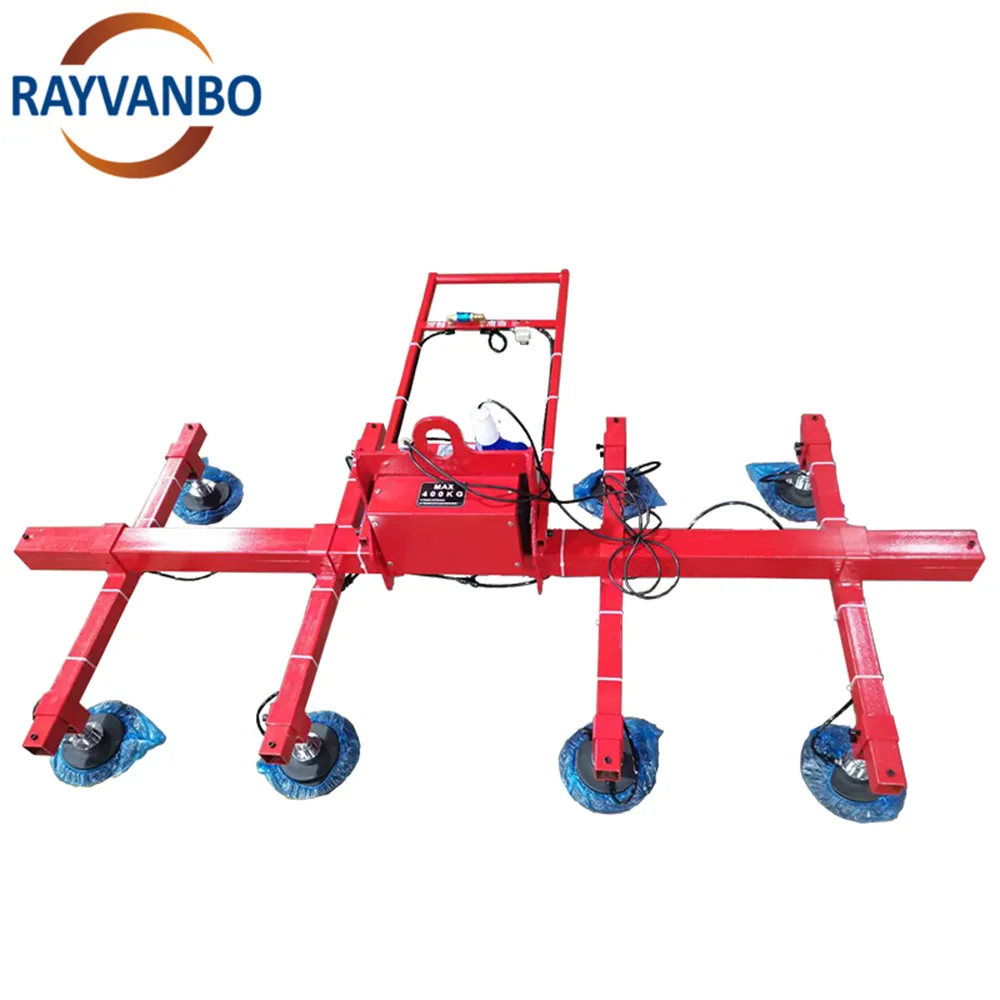
Time and Labor Savings with Vacuum Lifters Reducing Downtime and Accelerating Loading/Unloading Cycles Vacuum lifters really shorten the time spent on manual handling when moving materials around. They grip things firmly using suction power, which ...
VIEW MORE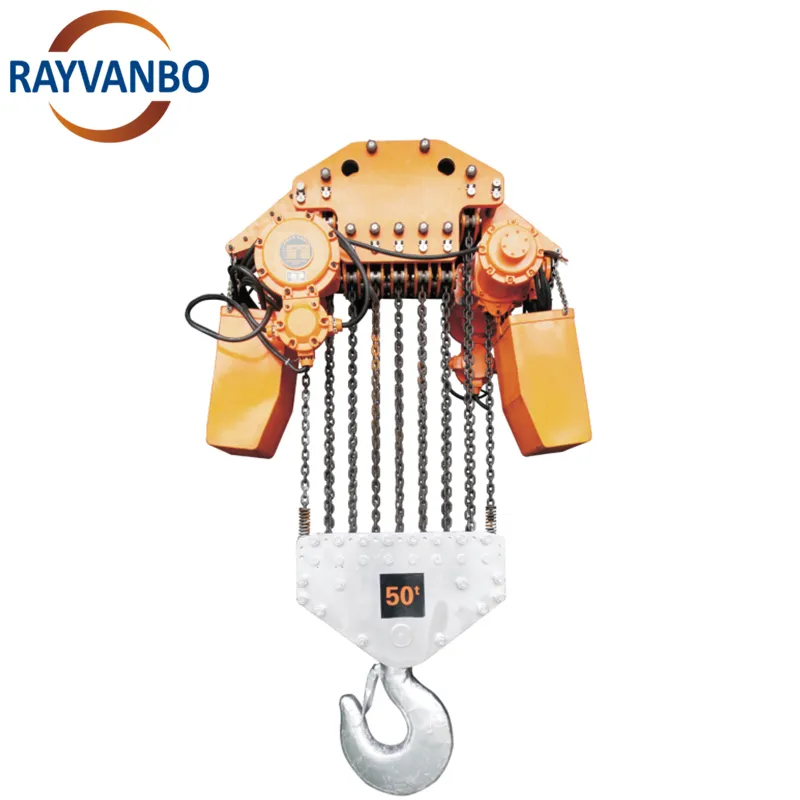
How Explosion-Proof Hoists Prevent Ignition in Hazardous Atmospheres The Core Safety Mechanisms: Intrinsic Safety, Flameproof Enclosures, and Temperature Class Limits (T1–T6) Explosion proof hoists use three main methods to stop sparks from c...
VIEW MORE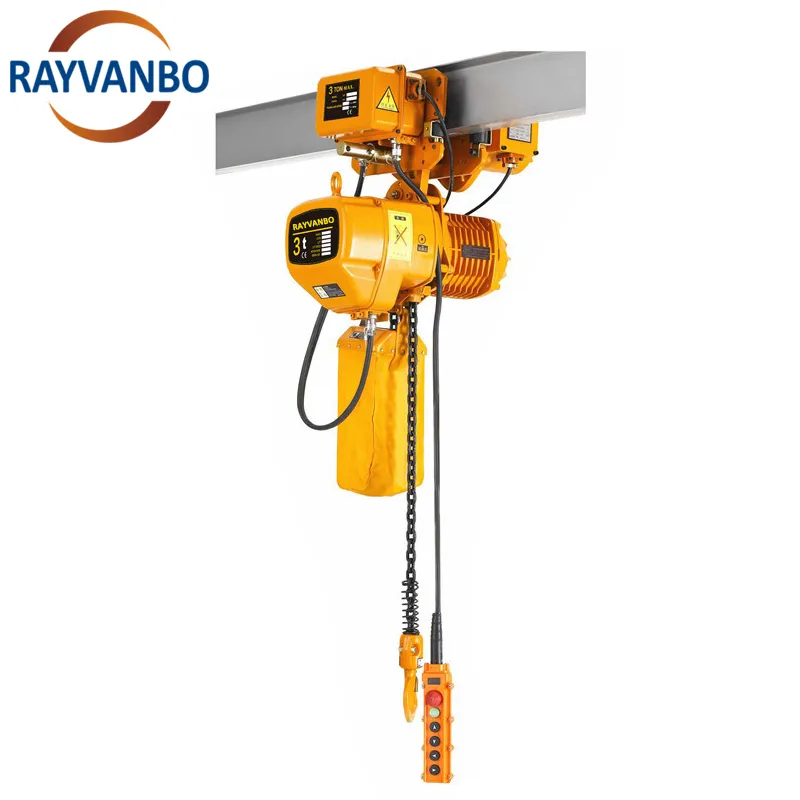
Lifting Medium and Core Design Differences about Electric Chain Hoist Chain Construction, Load Distribution, and Compact Headroom Advantage Electric chain hoists rely on welded alloy chains that spread the weight evenly throughout several cont...
VIEW MORE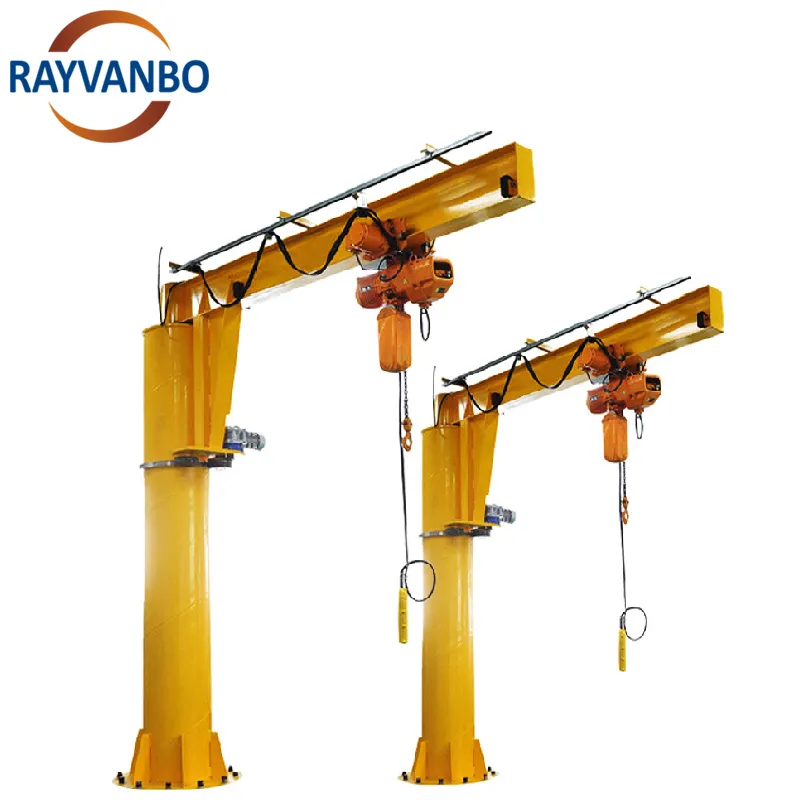
Jib Crane Fundamentals: Design Types and Core Industrial Capabilities Jib cranes really boost how materials get moved around in factories and warehouses because they provide spot-on lifting where it's needed most. The way these cranes are built det...
VIEW MORE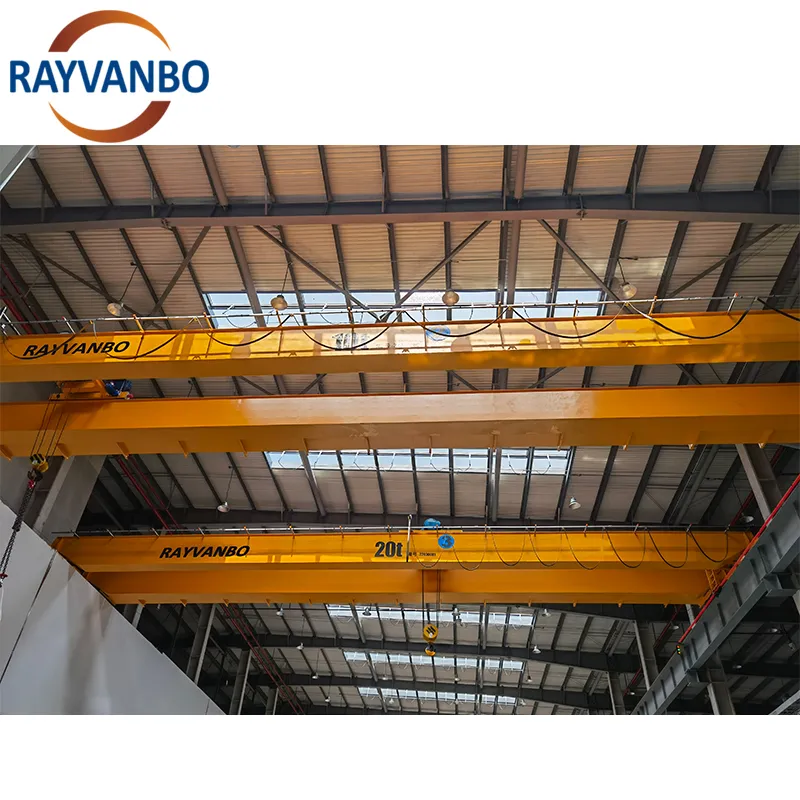
Determine Overhead Crane Load Capacity and CMAA Duty Class for Long-Term Reliability Getting the right size for an overhead crane starts with figuring out what actual load capacities are needed. Most engineers recommend adding around 25 to 30 ...
VIEW MORE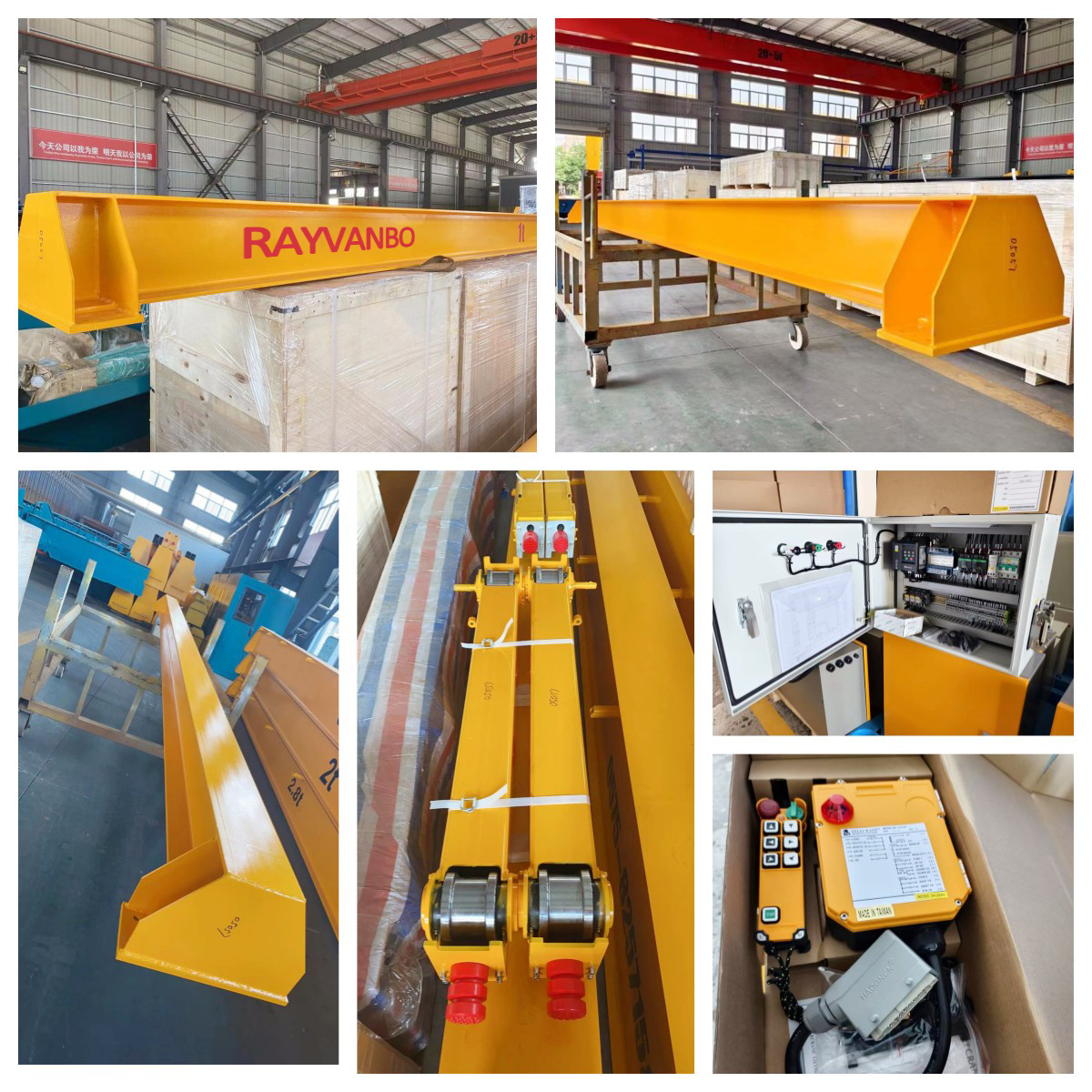
Core Operational Differences: Movement, Support, and Coverage Bridge cranes: Bi-directional (X-Y) travel on fixed runways with vertical (Z) lift — ideal for high-precision indoor coverage Bridge cranes run on overhead runways att...
VIEW MORE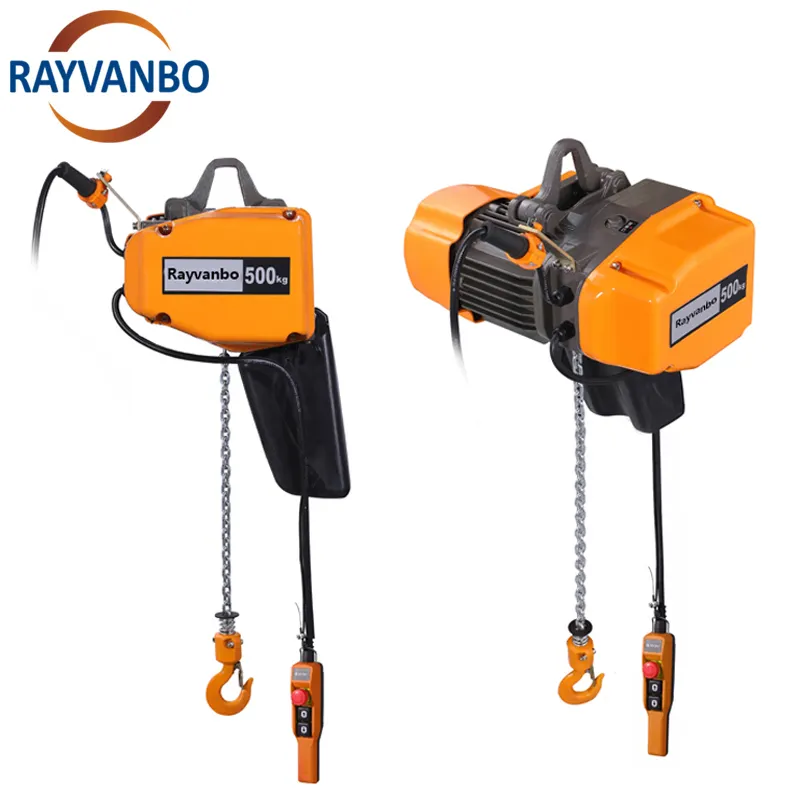
Chain Hoist: Match Load Capacity and Duty Cycle to Your Workshop Workflow What '2 Ton' Really Means in Practice: Load Consistency, Shock Loads, and Safety Margins The 2-ton rating on a chain hoist actually means what it can handle when everything i...
VIEW MORE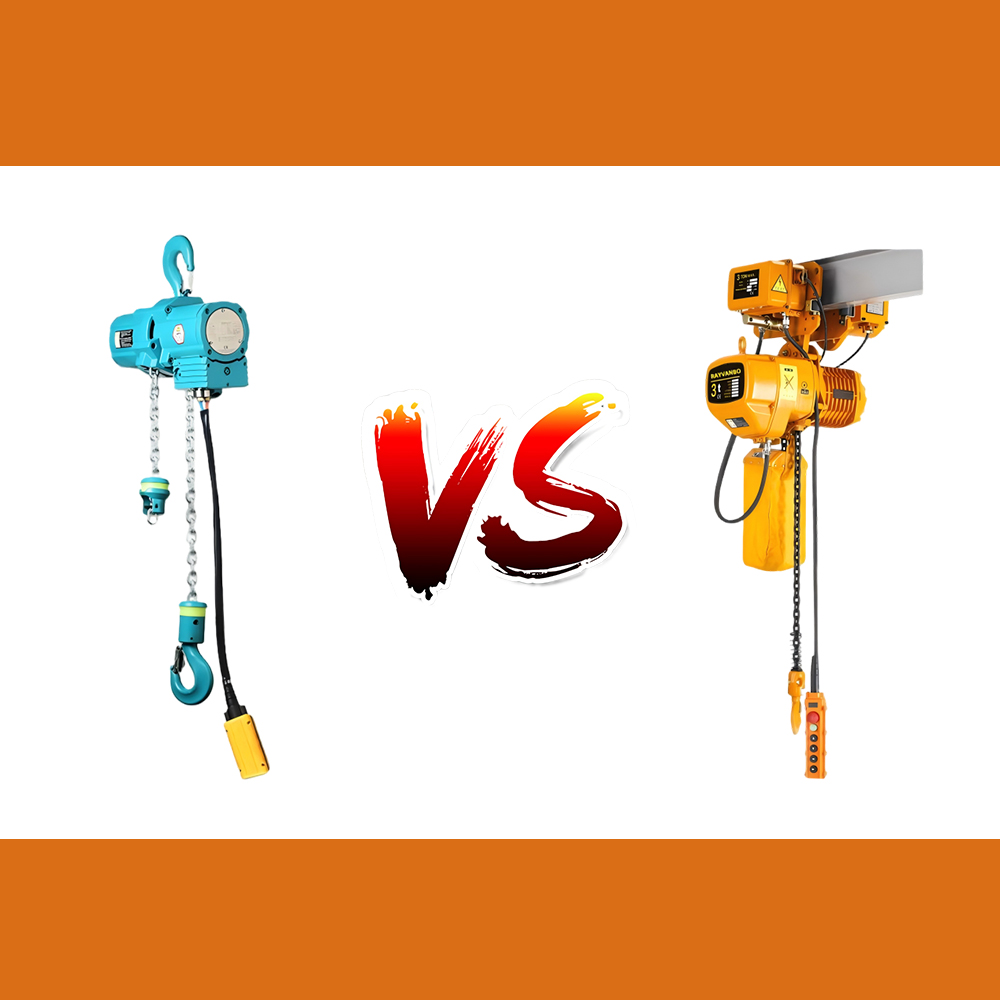
Chain Hoist: Lifting Performance and Duty Cycle for 2-Ton Loads Rated Capacity vs. Real-World Safe Working Load Under Continuous Use Electric chain hoists and wire rope hoists both come with a stated 2-ton capacity, though what they can actually ha...
VIEW MORE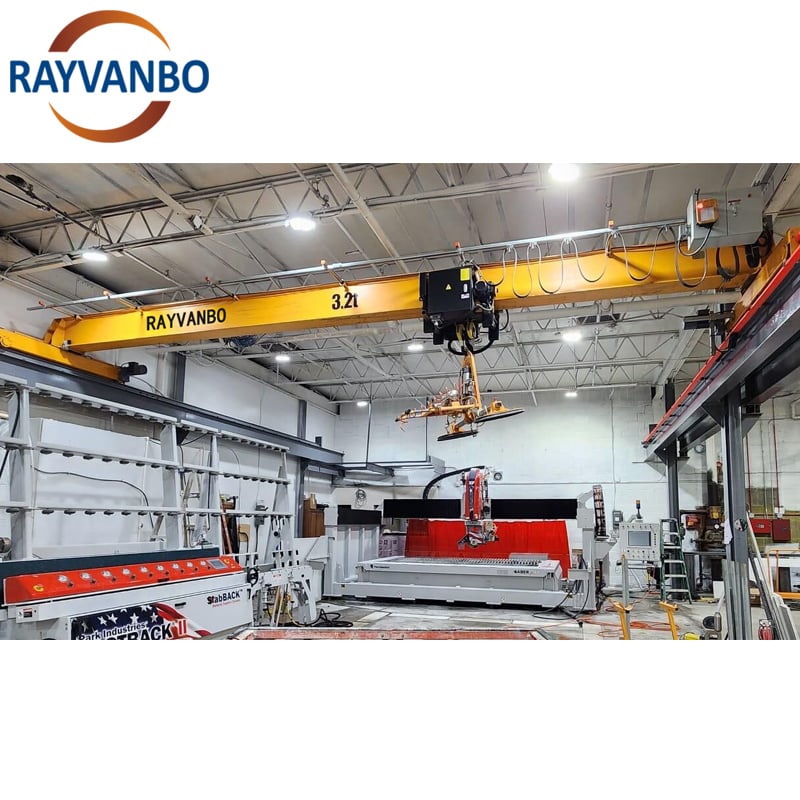
Structural Design and Rigidity of Overhead Bridge Cranes Beam Configuration, Trolley Support, and Lateral Stability Single girder overhead bridge cranes have just one main beam with a trolley hanging underneath. This setup saves space in the headro...
VIEW MORE EN
EN