 EN
EN



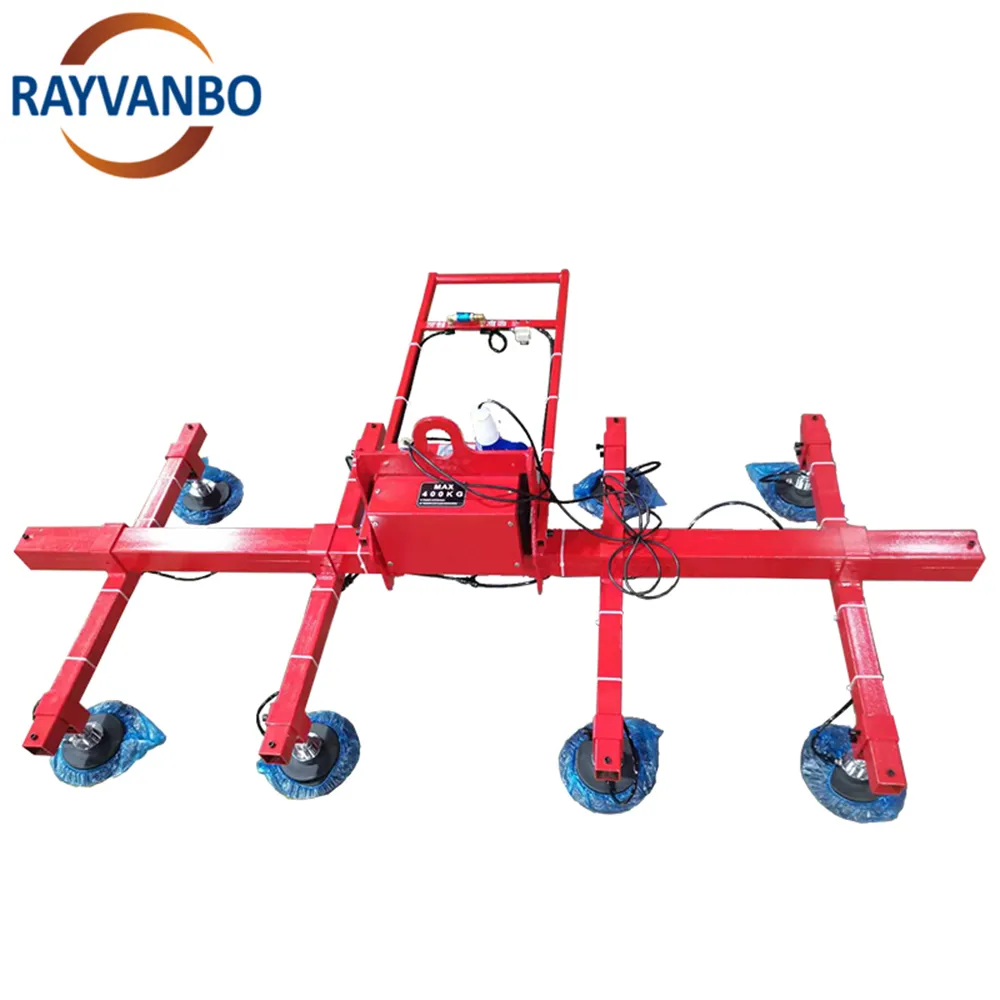
Time and Labor Savings with Vacuum Lifters
Reducing Downtime and Accelerating Loading/Unloading Cycles
Vacuum lifters really shorten the time spent on manual handling when moving materials around. They grip things firmly using suction power, which cuts down on those annoying repositioning mistakes and saves workers from all that backbreaking effort. Workers can now handle delicate stuff or heavy objects like glass panels and metal sheets without having to fumble around. The whole process goes much faster from warehouse to storage area, cutting down those frustrating delays between steps. Many facilities have seen their loading and unloading times drop anywhere from half to two thirds once they switched to vacuum lifting systems. Another big plus is how these devices prevent damage problems that cause production halts. Take glass manufacturers for instance they typically experience about 9 out of 10 fewer breakages than when using traditional clamps for handling.
Cycle Time Comparison: Vacuum Lifters vs. Traditional Handling Methods
Compared to manual or forklift-assisted processes, vacuum lifters deliver measurable efficiency gains:
- Setup Time: 30 seconds vs. 3–5 minutes for sling/chain rigging
- Per-Cycle Duration: 45 seconds average vs. 2.5+ minutes manually
- ROI (Return on Investment): Payback typically achieved in 8–14 months through labor reallocation and reduced waste
Traditional methods incur hidden costs—including worker fatigue and product damage—that account for 17% of operational waste in material handling (Logistics Bureau, 2023). Vacuum systems streamline workflows by enabling single-operator control, freeing teams for value-adding tasks. Automotive plants using vacuum-assisted body panel installation report 22% higher line throughput quarterly.
Vacuum Lifter Efficiency Across Key Industries
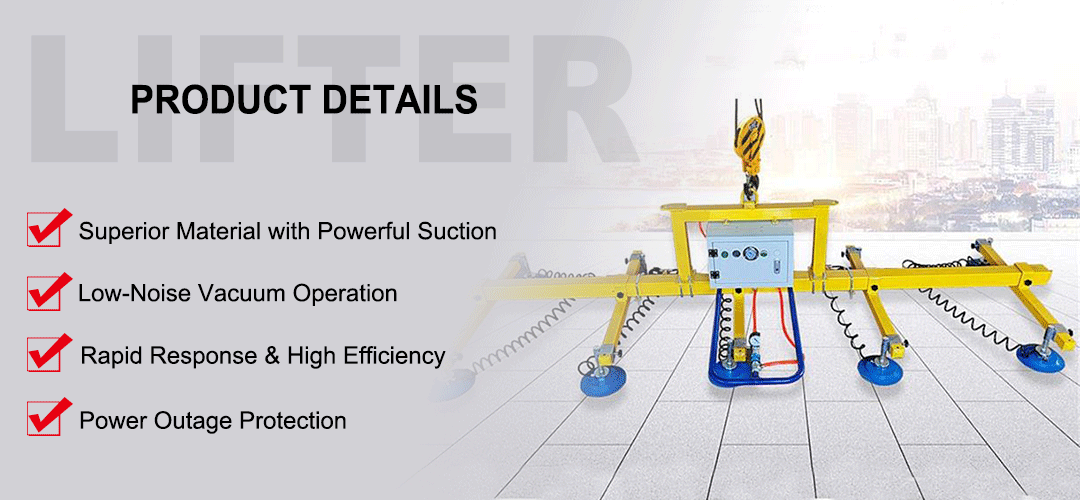
Glass Handling: Precision, Safety, and Throughput for Fragile Panels
Getting big glass panels moved around has always been tough work needing several people on hand, plus there's always the risk of breaking them during transport. Vacuum lifters have changed all that though, letting just one person handle even the largest sheets with incredible accuracy. These devices spread out their grip across the surface so no single spot bears too much weight, which cuts down on shattered glass by roughly 90% according to field reports from installers. The improved control means jobs get done quicker without putting staff in danger, particularly important when dealing with those razor sharp edges that can weigh well over a ton. Contractors are seeing installation times drop by about 30% overall, and wasted glass is practically nonexistent now. This translates into better bottom lines for businesses working with glazed surfaces and custom architectural glass projects.
Automotive Manufacturing: Boosting Body Shop Throughput with Vacuum Lifters
Vacuum lifters have become essential tools in automotive body shops for moving around those heavy parts like car roofs, doors, and engine covers. These devices come with programmable paths that help keep everything positioned just right during welding and assembly work. This consistency cuts down on alignment mistakes pretty dramatically – some estimates put it at around 40%. Take one big factory in Europe as an example: they saw their daily production jump by nearly 25% once they swapped out all the manual lifting for vacuum systems. Another plus? Workers face fewer ergonomic issues when dealing with those awkward, bulky components that can be a real pain to handle manually. Looking at market trends, Asia Pacific region currently controls well over 40% of the industrial vacuum lifter business according to Research and Markets data from 2025. As manufacturers ramp up production volumes worldwide, we're seeing these vacuum solutions gain traction faster than ever before.
Choosing the Right Vacuum Lifter Type for Operational Efficiency
Manual, Electric, and Pneumatic Vacuum Lifters: Use Cases and ROI Drivers
Choosing the right vacuum lifter really comes down to what kind of work needs doing and how much money the business wants to save in the long run. For shops where parts get moved around occasionally, manual lifters are still pretty cheap options. Electric versions cut down on electricity bills for regular jobs, saving somewhere between 30 to 40 percent compared to those old air powered ones. When it gets serious in big factories or places making steel products, nothing beats pneumatic systems for their strength and ability to handle heavier loads. The bottom line matters too: fewer workers getting hurt means less money spent on insurance claims. According to some research from Ponemon back in 2023, companies typically lose about $740k every year just from injuries during material handling. Plus there's less damaged goods when things go smoothly. Places working with delicate items need fine control over movements, while warehouses moving tons of stuff daily want fast cycles to keep operations running at full speed.
Automation Integration: Scalable Vacuum Handling Systems for High-Volume Lines
When vacuum lifters get integrated into automated systems, they really boost efficiency for mass production setups. These robotics friendly lifters work right alongside assembly lines and can move over 500 units per hour without any concerns about worker fatigue. The modular design means companies can start small with just one station doing simple pick and place tasks, then grow their system across entire plants as needed. This helps avoid those annoying bottlenecks that happen when too many people are manually handling parts. Take automotive body shops as an example. According to a report from Automotive Manufacturing in 2024, manual part handling actually slows down production cycles by around 22%. Central vacuum systems make all the difference here. They power multiple lifting points at once, so even awkwardly shaped components get handled smoothly. What does this mean? Production stays consistent and products rarely get damaged during fast transfers between stations.
FAQ
What are the benefits of using vacuum lifters?
Vacuum lifters provide time and labor savings by reducing manual handling, preventing product damage, and increasing overall efficiency in loading and unloading processes.
How do vacuum lifters compare to traditional handling methods?
Vacuum lifters significantly reduce setup time and per-cycle duration compared to manual or forklift-assisted methods, offering better ROI by minimizing worker fatigue and operational waste.
What industries benefit most from vacuum lifters?
Industries like glass handling, automotive manufacturing, and large-scale factories see the greatest benefits, including reduced product damage and increased throughput.
What should be considered when choosing a vacuum lifter?
Consider the frequency of material handling, type of materials, load weights, and cost-savings potential to determine whether manual, electric, or pneumatic lifters are most suitable for your operations.