 EN
EN



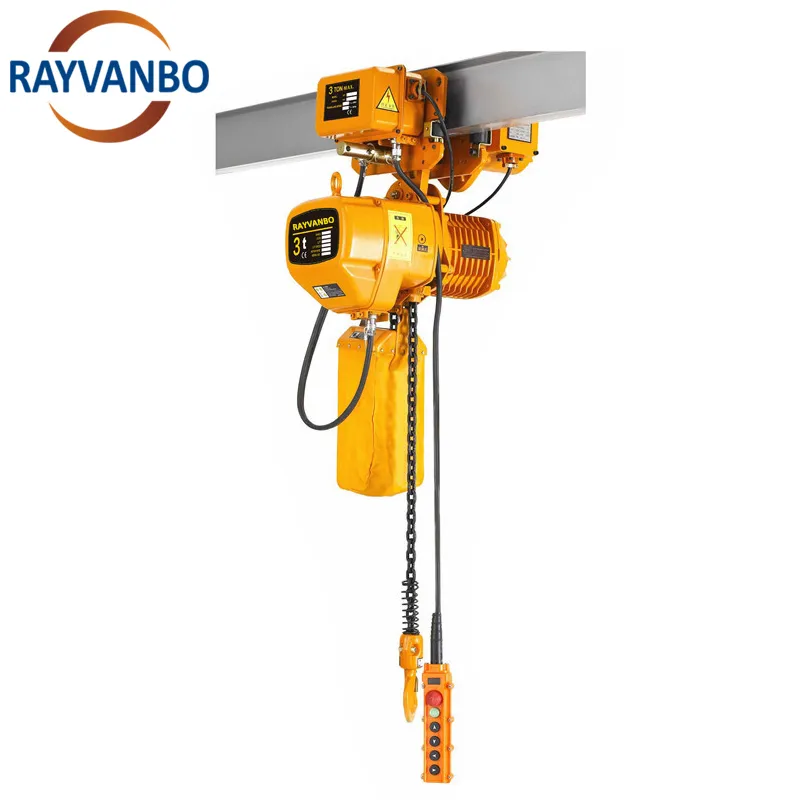
Lifting Medium and Core Design Differences about Electric Chain Hoist
Chain Construction, Load Distribution, and Compact Headroom Advantage
Electric chain hoists rely on welded alloy chains that spread the weight evenly throughout several contact points along the system. The way these chains are constructed actually helps reduce stress buildup in specific areas, which means there's around a 35% lower chance of fatigue failures when compared to those old single-strand setups according to Lifting Equipment Journal back in 2023. What makes these hoists stand out is their compact drive mechanism that takes up about 15 to 30 percent less space vertically than similar capacity wire rope hoists. That kind of space saving really matters in tight spots such as older warehouses undergoing upgrades or deep within mining operations where every inch counts. Plus, OSHA approved versions come with special coatings that resist wear and tear plus links designed not to twist during operation. These features alone cut down on maintenance headaches since they eliminate the need for all those complicated drum storage arrangements that wire rope systems typically require.
Wire Rope Reeving, Structural Footprint, and Height-to-Capacity Trade-offs
Wire rope hoists work with those thick steel cables wrapped around special drums, which means they need bigger spaces for all the winding equipment. Sure, these setups can reach really high places, sometimes over 100 feet straight up, but there's a catch. They take up about 20 to 40 percent more vertical space compared to regular chain systems. Maintenance folks have to keep adjusting the tension regularly so things stay accurate when lifting stuff. And let's face it, after months of heavy lifting, wire ropes just wear down faster too. Tests show they shrink in diameter about 2.5 times quicker than chains do according to Material Handling Quarterly from last year.
Key Design Comparison:
| Parameter | Chain Hoist | Wire Rope Hoist |
|---|---|---|
| Headroom Requirement | 15–30% less vertical space | Larger spooling area |
| Load Distribution | Multi-link dispersion | Concentrated drum stress |
| Max Practical Height | ≠ 30 ft | 100 ft |
| Annual Wear Rate | 0.8% chain elongation | 2% rope diameter loss |
Performance Across Operational Parameters
Capacity Range, Lift Height Limits, and Duty Class Compatibility
Electric chain hoists generally handle loads up to around 10 tons and offer excellent precision for those repetitive lifting tasks we see all the time on assembly lines or in maintenance workshops. The design allows them to work well even when space is tight because of their compact chain system. Wire rope hoists take center stage in much heavier industrial settings though. Standard units can lift between 5 and 100 tons easily enough, but there are also special models out there that go way beyond that mark, sometimes hitting 500 tons or more. When it comes to height requirements, these two types really differ. Wire rope hoists shine when dealing with lifts higher than about 30 feet, whereas chain hoists perform best in situations where headroom is limited below that 30 foot threshold. Most manufacturers align their duty classes according to established industry standards like FEM and ISO guidelines.
| Parameter | Electric Chain Hoist | Wire Rope Hoist |
|---|---|---|
| Max Capacity | ≠ 10 tons | 5–500+ tons |
| Optimal Lift Height | < 30 ft | 30–100+ ft |
| Common Duty Class | 1Am–3Bm (Medium) | 2m–5m (Heavy/Continuous) |
Chain hoists operate efficiently within FEM 1Am–3Bm duty cycles (≠ 200 starts/hour), whereas wire rope systems support heavier-duty 4m–5m cycles (≠ ¥ 300 starts/hour) common in steel mills or shipyards. Both require monthly inspections per OSHA 1910.179 when operating at these intensities.
Lifting Speed, Control Precision, and Response in High-Frequency Applications
Wire rope hoists can move things faster along the line at around 60 feet per minute, which makes them great choices for busy loading docks and warehouses where speed matters most. On the flip side, electric chain hoists aren't as fast they max out around 20 feet per minute but they excel when it comes to fine control. These hoists have this amazing ability to adjust position down to less than a foot per minute because of how the chains engage precisely. That level of control is really important when placing delicate machinery or lining up building parts correctly. They also respond instantly to start and stop commands, something that's essential for automated production lines running over fifty cycles every hour. Chain hoists work particularly well in harsh environments such as chemical processing facilities thanks to their sealed motors that meet IP55 standards against splashing water. Wire rope systems are tough but tend to wear out sheaves quicker in dusty conditions, and dust alone can push replacement costs up by about 35% according to Lifting Equipment Journal from last year. When looking at operations that run eight hours or less each day, switching to chain hoists typically cuts overall costs by roughly 25% since they consume less power and require fewer maintenance checks compared to wire rope alternatives.
Durability, Maintenance, and Lifecycle Management
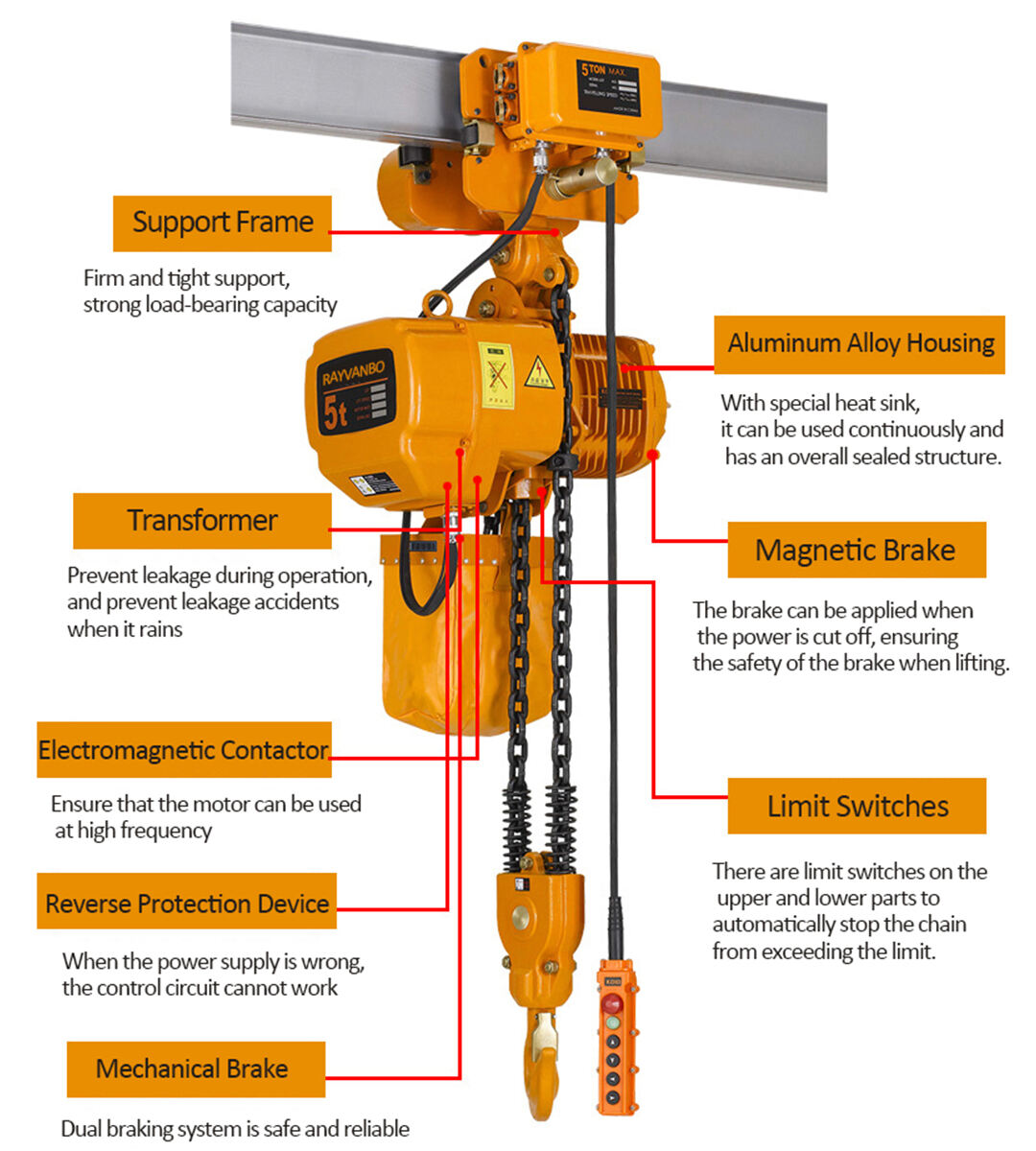
Wear Patterns, Inspection Protocols (OSHA/ISO), and Replacement Triggers
Electric chain hoists show wear that's pretty easy to spot when links start stretching out, which is usually the first sign something's wearing down. Wire ropes tell a different story though they break down quietly over time with things like snapped wires, kinks forming, or damage inside the core that isn't visible at first glance. Regular checks become essential here. The OSHA standard 1910.179 along with ISO 4309 set different rules for looking after these components. Chains need monthly inspections focusing on how much they've stretched or distorted. For wire ropes, we're talking about weekly checks counting those broken wires across each section of rope. When it comes time to replace them, there's quite a gap between standards. Most chains get taken out of service once they stretch past 3%, whereas ropes should go when we find around 10% broken wires. Companies that ignore these maintenance protocols end up paying the price big time. A recent study found that unexpected breakdowns due to missed maintenance cost businesses roughly seven hundred forty thousand dollars every year. That's why sticking to proper inspection routines really matters in the long run.
Environmental Resilience: Corrosion, Abrasion, and Contamination Effects
Environmental exposure strongly influences service life. Electric chain hoists leverage corrosion-resistant alloy steel construction, performing reliably in humid or chemically aggressive settings such as wastewater treatment plants. Their solid-link design resists abrasive wear from airborne particulates. Wire rope hoists face three key vulnerabilities:
- Corrosion: Moisture penetrates stranded cables, causing invisible internal rust.
- Abrasion: Rope-on-drum friction accelerates outer-wire wear–especially in dusty quarries or foundries.
-
Contamination: Grit embeds between strands, increasing internal friction and metal fatigue.
Pressurized cleaning extends rope life by 40%, but adds labor and complexity. In harsh conditions, chain systems typically deliver 2–3Ã longer service life before major overhaul.
Total Cost of Ownership and Electric Chain Hoist Suitability
When looking at total cost of ownership (TCO), we're talking about much more than just what something costs when bought new. Installation fees, regular maintenance, and how efficiently it runs day to day all factor in too. Electric chain hoists typically come with a price tag that's around 20 to 30 percent higher than their wire rope counterparts. Why? Because they have these precision engineered chain mechanisms plus built-in safety features that make them worth considering. The good news is that these hoists take up less space, which means factories with limited headroom don't need to spend extra on structural reinforcements. Maintenance requirements are quite different between the two types. Chain systems generally need lubrication every three months and occasional checks for chain stretch. Wire ropes demand monthly attention to spot issues like kinks, birdcage formations, or any broken strands. Industry studies across ten years consistently point to electric chain hoists delivering about 15 to 20 percent better value overall in applications like automotive assembly lines or light manufacturing shops. They last longer before needing parts replaced, experience less downtime, and simply aren't as complicated to service. For businesses where saving floor space matters, lifting loads between one and fifteen tons regularly, and getting things positioned accurately is critical, electric chain hoists tend to offer the best bang for buck over time.
FAQ
What are the main differences between electric chain hoists and wire rope hoists?
Electric chain hoists utilize welded alloy chains for load distribution which reduces stress and space requirements, making them ideal for limited headroom environments. Wire rope hoists use thick steel cables that need more structural space but can handle much higher lifts.
How often should electric chain hoists and wire rope hoists be inspected?
Electric chain hoists typically require monthly inspections to check for chain stretch, while wire rope hoists need weekly inspections to count broken wires in each rope section based on OSHA/ISO standards.
What are the cost implications of choosing an electric chain hoist over a wire rope hoist?
While electric chain hoists have a higher initial cost, they offer better long-term value due to lower maintenance, longer service life, and less downtime, making them more suitable for businesses with specific space and precision requirements.
Which type of hoist is more suitable for tough environmental conditions?
Electric chain hoists are more suitable for tough environmental conditions like humid or chemically aggressive settings as they are made from corrosion-resistant alloy steel. Wire rope hoists are more vulnerable to corrosion, abrasion, and contamination.
Table of Contents
- Lifting Medium and Core Design Differences about Electric Chain Hoist
- Performance Across Operational Parameters
- Durability, Maintenance, and Lifecycle Management
- Total Cost of Ownership and Electric Chain Hoist Suitability
-
FAQ
- What are the main differences between electric chain hoists and wire rope hoists?
- How often should electric chain hoists and wire rope hoists be inspected?
- What are the cost implications of choosing an electric chain hoist over a wire rope hoist?
- Which type of hoist is more suitable for tough environmental conditions?