 EN
EN


How Explosion-Proof Hoists Prevent Ignition in Hazardous Atmospheres
The Core Safety Mechanisms: Intrinsic Safety, Flameproof Enclosures, and Temperature Class Limits (T1–T6)
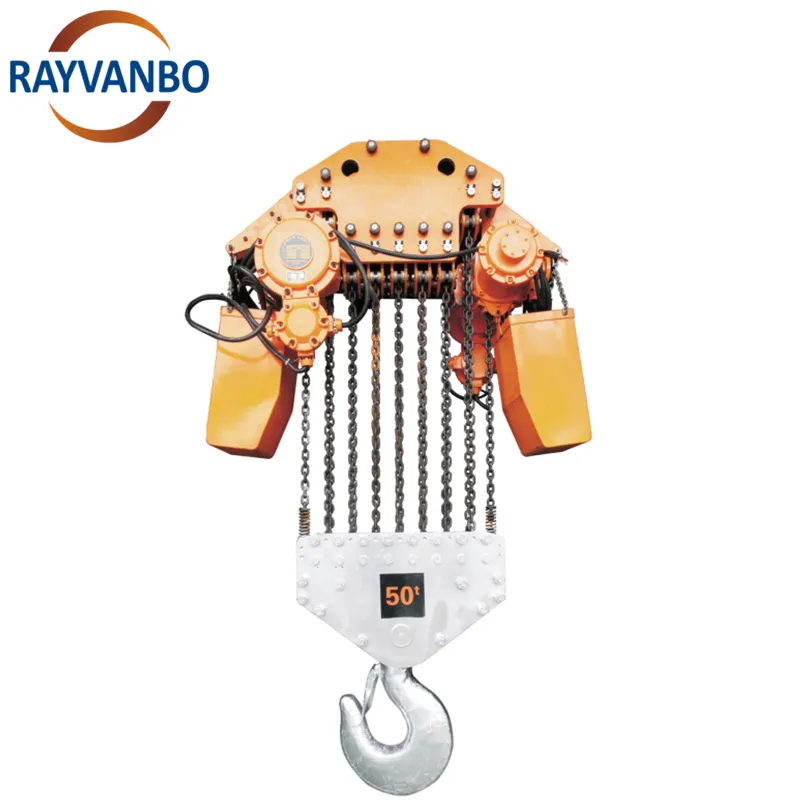
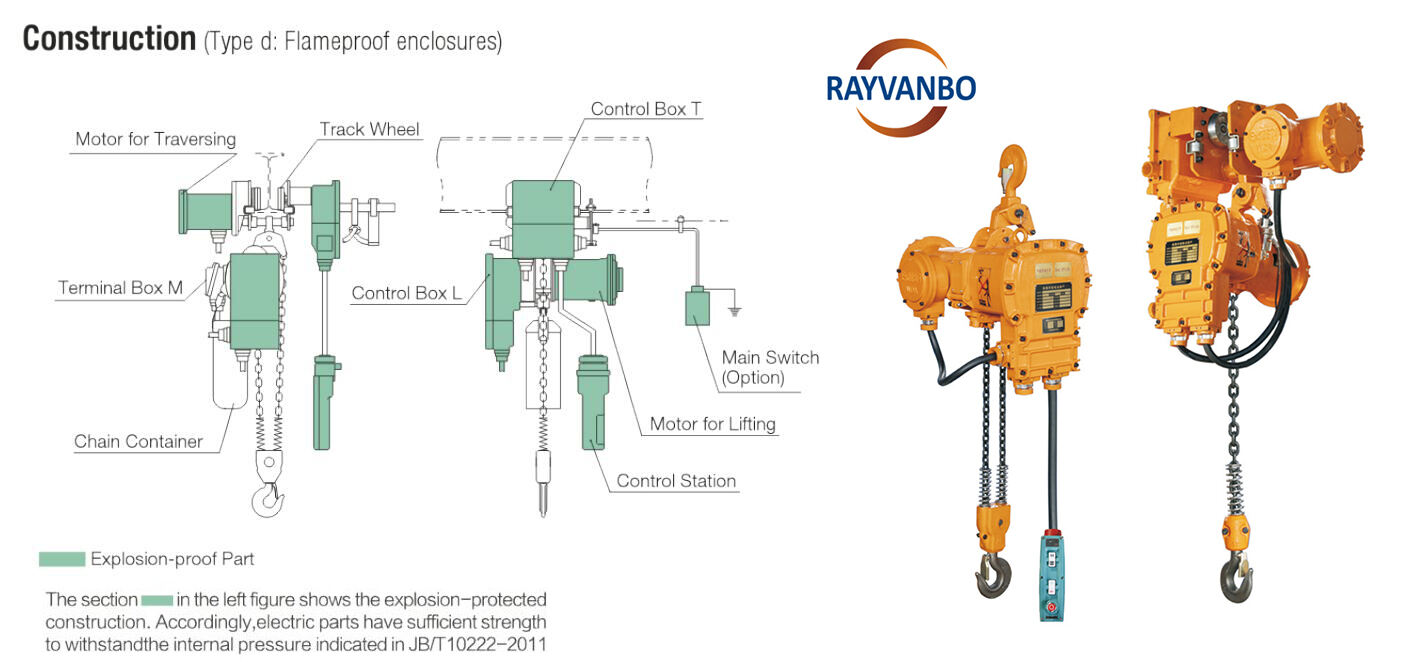
Explosion proof hoists use three main methods to stop sparks from causing problems in places where there's lots of flammable stuff around. The first method is called intrinsic safety, which basically means keeping the electricity flowing through the system at levels so low that even if something goes wrong, it won't light up any gases or dust particles. Think of it like turning down the volume on a speaker until it just can't produce enough sound to cause damage. Next up are those heavy duty flameproof enclosures marked Ex d. These boxes are built tough enough to hold in any explosions that might happen inside them, while also cooling down whatever hot gas escapes so it stays below what could ignite nearby materials. This matters a lot in oil refineries where methane tends to hang around between 5% and 15% of the air space. Finally, there's the temperature rating system from T1 to T6 that keeps surfaces cool enough not to start fires. For example, a T4 rated hoist makes sure nothing outside gets hotter than 135 degrees Celsius, which is safely below the 160 degree mark where many common solvents catch fire. All these different approaches work together to shut down potential fire starters before anyone has to worry about actual flames.
Why Standard Hoists Fail: Real-World Ignition Risks from Sparks, Arcs, and Surface Temperatures
Regular hoists just don't have the right safety features for dangerous environments, and we know this because there are plenty of documented failures. The brush motors in these devices can produce electrical arcs that reach over 5000 degrees Celsius when they switch, and the brakes often create sparks around 800 degrees Celsius too. Both of these temperatures are way above what it takes to set off aluminum dust, which ignites at about 590 degrees. When loaded, standard hoist motors regularly get hotter than 150 degrees Celsius, crossing into territory where many hydrocarbon vapors will catch fire on their own. There's also the risk of static electricity building up in synthetic ropes and sparks flying when chains bang together during operation. These dangers are completely random, hard to control, and usually go unchecked. Explosion proof models come equipped with sealed electronics, built-in thermal shut offs, and materials that won't spark, but regular hoists simply aren't designed to handle these risks. That's why they're banned outright in Zone 1/21 hazardous areas according to EU regulations.
Matching Explosion-Proof Hoist Certification to Hazardous Area Zones
Gas/Vapor vs. Dust Environments: Understanding Zone 0/1/2 (ATEX/IECEx) and Zone 20/21/22 Classifications
Selecting the correct explosion-proof hoist requires precise alignment between equipment certification and the classified hazardous area. Gas/vapor environments use Zone 0 (continuous hazard), Zone 1 (likely during normal operation), and Zone 2 (unlikely, short-duration exposure). Dust environments follow the parallel Zone 20/21/22 system. This classification directly determines the required level of protection:
| Hazard Duration | Gas/Vapor Zone | Dust Zone | Equipment Requirement |
|---|---|---|---|
| Continuous | 0 | 20 | Highest safety (e.g., encapsulation or pressurization) |
| Frequent (normal ops) | 1 | 21 | Robust flameproof or enhanced protection |
| Infrequent/short-term | 2 | 22 | Basic prevention (e.g., increased safety "Ex e") |
Using a Zone 2-rated hoist in a Zone 1 environment compromises containment integrity and violates regulatory requirements—potentially enabling an internal spark to propagate into the surrounding atmosphere.
Global Compliance Simplified: How ATEX, IECEx, and NEC 500/505 Standards Align for Safe Deployment
The world of safety certifications for explosion proof hoists is getting more aligned these days. The major players like ATEX in Europe, IECEx on the global stage, and NEC Article 505 over in North America have all moved toward similar zone based classification systems. This marks a big shift from the old Class/Division approach that NEC used previously. Both ATEX and IECEx outline exactly the same zones ranging from 0 to 2 for gases and 20 to 22 for dust hazards. NEC 505 followed suit with this framework to keep things consistent across different regions. Hoists that get dual certification against both ATEX and IECEx standards can actually operate in over 40 countries without needing extra testing. This cuts down waiting times before operations start and makes audits much simpler for manufacturers. Take for instance a hoist approved for Zone 1 gas areas under ATEX standards. Such equipment automatically satisfies the comparable IECEx Ex d requirements too, which means companies don't face compliance headaches when moving their equipment between countries.
Top Industries Dependent on Explosion-Proof Hoists for Critical Lifting
Offshore Oil & Gas: High-Risk Lifting in Confined, Gas-Saturated Spaces
Working on offshore platforms means dealing with some seriously tough hazardous area conditions. Think about cramped spaces filled with hydrocarbon vapors, constant moisture from high humidity, relentless salt corrosion, and few options if things go wrong. The hoists used here need to be built tough enough to handle all this. They require those special flameproof motor enclosures marked Ex d, plus stainless steel components that resist rust, and those IP66 rated seals that keep water out completely. These devices are certified for Zone 1 gas environments because they're lifting critical stuff like pipeline valves, blowout preventers, and various maintenance tools. Remember, just one tiny spark in these conditions can cause an entire chain reaction of explosions. When it comes down to it, having reliable equipment isn't just about making operations run smoothly - it's absolutely essential for keeping workers alive and maintaining the structural integrity of the whole platform.
Pharmaceutical and Chemical Manufacturing: Dust-Resistant Hoists in Cleanroom and Batch-Processing Environments
Facilities working with pharmaceuticals and fine chemicals deal with two major hazards at once: explosive dust created by powdered active ingredients and flammable solvent vapors building up inside reactors and drying equipment. Hoists designed for Zone 21 dust environments become absolutely necessary during operations like transferring materials between tanks, servicing reactor vessels, or moving things around cleanrooms. These systems need fully sealed construction with static dissipative properties to prevent sparks from friction, static charge accumulation, or overheating motors. This matters a lot when dealing with ultra-fine powders that might catch fire even at temperatures under 100 degrees Celsius. Most forward thinking companies install such hoisting systems following both NFPA 484 standards and EU ATEX Annex II regulations. They want their operations running safely at those critical powder transfer locations while still keeping everything sterile and maintaining tight control over manufacturing processes.
Key Selection Criteria Beyond Certification: Design, Maintenance, and Operational Readiness
Getting certified shows basic compliance, but what really matters for safety and getting work done are three connected elements. When it comes to design strength, don't stop at the certificate. Look for stainless steel enclosures rated IP66 or IP67 if working in places where there's corrosion or frequent cleaning needed. Check whether the motor cooling works properly according to the temperature requirements of the space where it'll be installed, such as T3 ratings for areas reaching around 200 degrees Celsius. How easy something is to maintain makes all the difference in keeping operations running smoothly. Equipment with separate gear motors, common bolts, and brakes that can be replaced without taking everything apart cuts down repair times significantly compared to those proprietary systems we've seen in factories across the country last year. And let's talk about reliability before installation. Don't just glance at MTTR numbers from manufacturers; dig deeper into their MTBF stats too. Also ensure there's some kind of remote diagnostic system built in so maintenance teams can spot problems early. Take pharmaceutical manufacturing for instance. In this industry, when batch lifting equipment fails, it doesn't just mean production stops cold. Worse still, it creates deviations that risk ruining entire batches and landing companies in hot water with regulators.
FAQ: Explosion-Proof Hoists
Why can't standard hoists be used in hazardous environments?
Standard hoists lack the necessary safety features to prevent ignition risks such as sparks, arcs, and excessively high surface temperatures, which can lead to explosions in hazardous environments.
What do Zone 0/1/2 and Zone 20/21/22 classifications mean?
These are hazard classifications used to describe the presence of explosive gases (Zone 0/1/2) and dusts (Zone 20/21/22) in environments. The zones indicate the expected presence duration of the hazard, influencing the strictness of equipment safety requirements.
How do global standards like ATEX and IECEx ensure compliance?
Global standards such as ATEX and IECEx provide harmonized classification systems for hazardous zones, ensuring equipment is designed to be safe across multiple jurisdictions. Compliance with both standards allows hoists to be used in many countries without additional testing.
What is an explosion-proof hoist?
An explosion-proof hoist is a lifting device designed to operate safely in hazardous environments where explosive gases, vapors, or dusts are present. They are equipped with features that prevent ignition, such as intrinsic safety, flameproof enclosures, and temperature control.
Table of Contents
- How Explosion-Proof Hoists Prevent Ignition in Hazardous Atmospheres
- Matching Explosion-Proof Hoist Certification to Hazardous Area Zones
- Top Industries Dependent on Explosion-Proof Hoists for Critical Lifting
- Key Selection Criteria Beyond Certification: Design, Maintenance, and Operational Readiness
- FAQ: Explosion-Proof Hoists