In modern manufacturing environments, a lifting system has become essential equipment for improving efficiency and ensuring workplace safety. Whether in mechanical processing, steel structure fabrication, automotive parts production, or warehouse logistics, selecting the right overhead crane, electric hoist, or gantry crane directly impacts operational productivity and long-term costs. So how should a factory workshop choose the right lifting system? This article analyzes key factors including lifting capacity, building structure, hoist configuration, safety systems, and intelligent upgrades to help companies build a safe, efficient, and stable material handling solution.
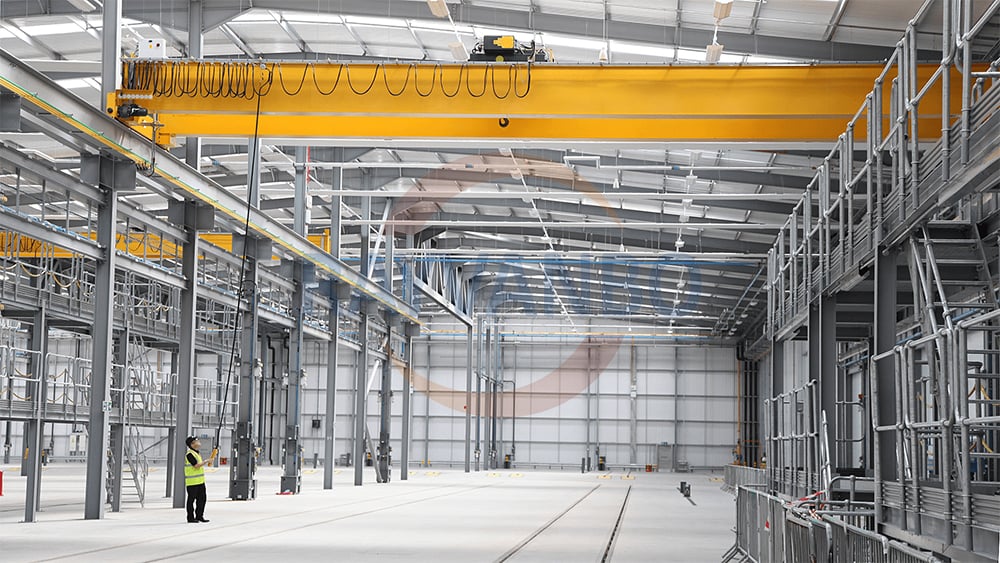
The first step in selecting a lifting system is determining the maximum lifting capacity, normal working load, lifting height, span, and daily operating frequency. Lifting capacity determines the strength of the crane girder and the specification of the electric hoist. Lifting height affects drum size and wire rope length, while span influences the structural design of an overhead crane.
For heavy manufacturing workshops such as mold production, large equipment assembly, or steel handling, a double girder overhead crane combined with a wire rope electric hoist is recommended to meet high-tonnage and continuous operation requirements. For medium and small production lines or maintenance workshops, a single girder overhead crane with an electric chain hoist is usually sufficient. For localized workstation lifting, a jib crane can serve as an efficient supplementary solution. Matching the correct duty classification (such as M3, M4, or M5) prevents overload operation and significantly extends the service life of the complete crane system.
The workshop building structure plays a decisive role in choosing the crane type. If the factory has steel columns and runway beams, an overhead crane system is the preferred option. It offers wide coverage and stable operation, making it ideal for primary production areas requiring high-efficiency material handling.
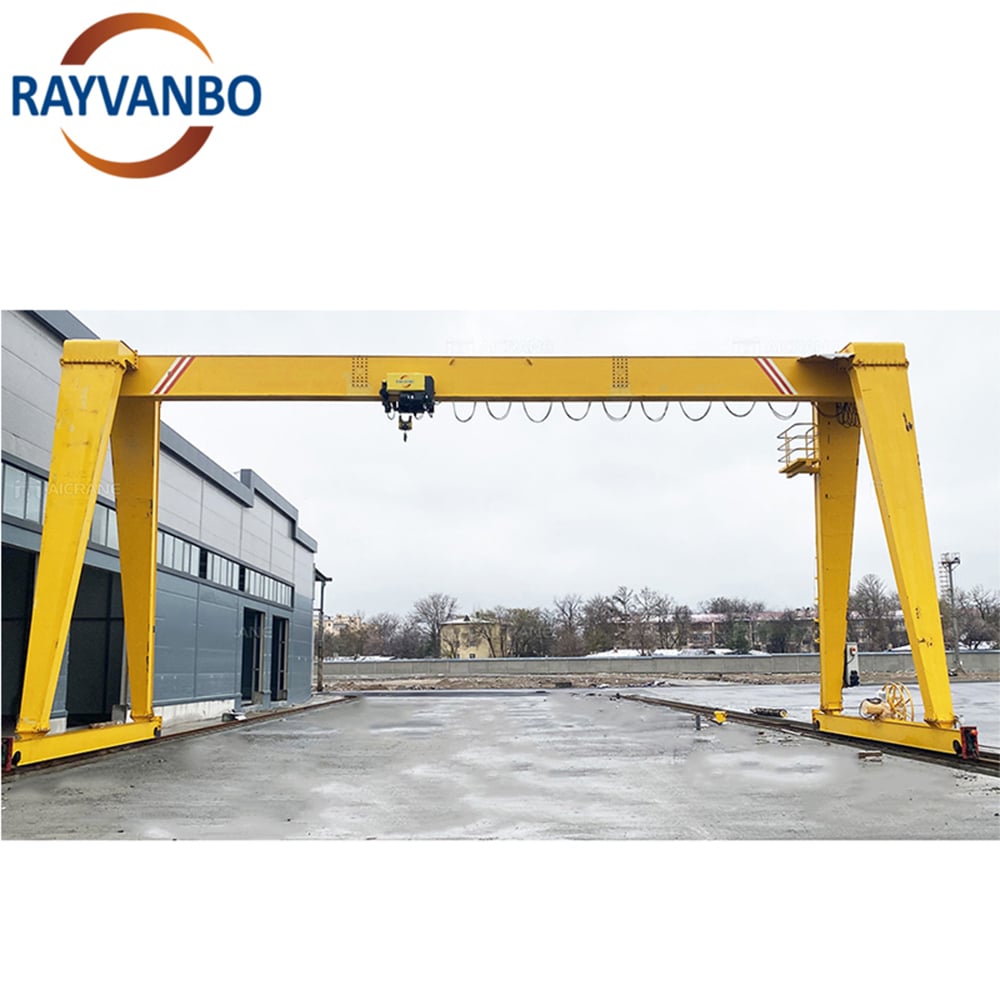
If the building lacks runway beams or if lifting operations are required outdoors—such as in yards, construction sites, or loading areas—a gantry crane is more suitable. Gantry cranes are particularly effective for steel structure processing and heavy equipment handling. For localized lifting at specific workstations, a jib crane offers lower investment cost and flexible installation without major structural modifications.
Therefore, evaluating building load capacity, column spacing, and ceiling height is essential when designing a reliable lifting system.
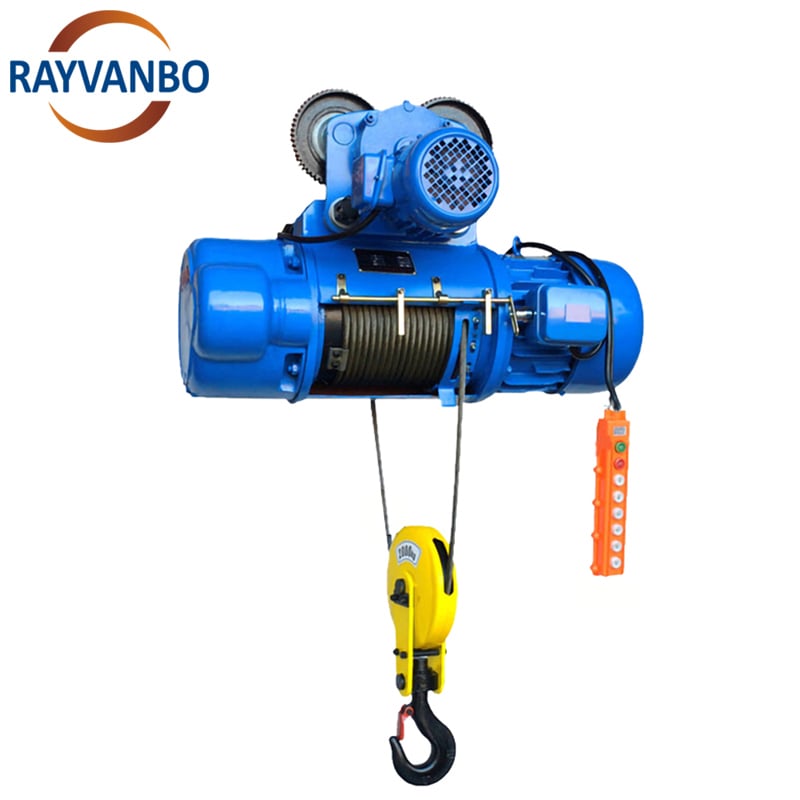
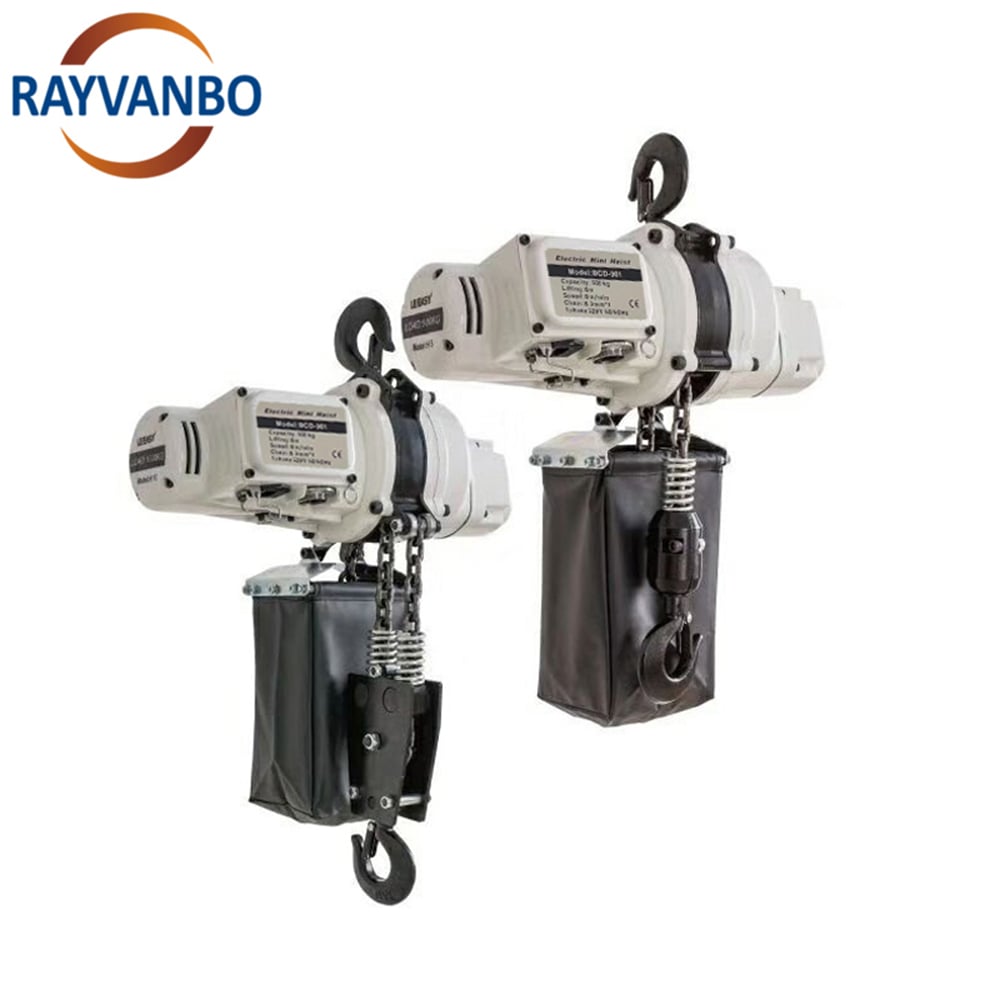
In any overhead crane or gantry crane system, the electric hoist serves as the core lifting unit. Depending on structure and lifting medium, electric hoists are divided into electric chain hoists and wire rope electric hoists.
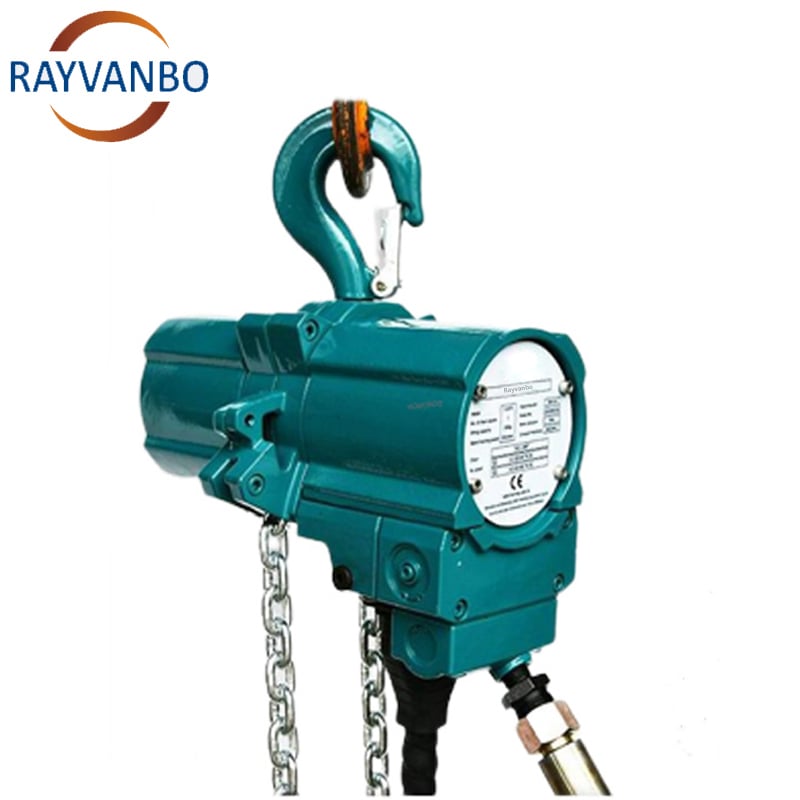
Electric chain hoists feature a compact design and are suitable for medium and small lifting capacities, especially in low headroom environments. Wire rope electric hoists provide smoother lifting performance and higher load capacity, making them ideal for heavy-duty and high-lift applications.
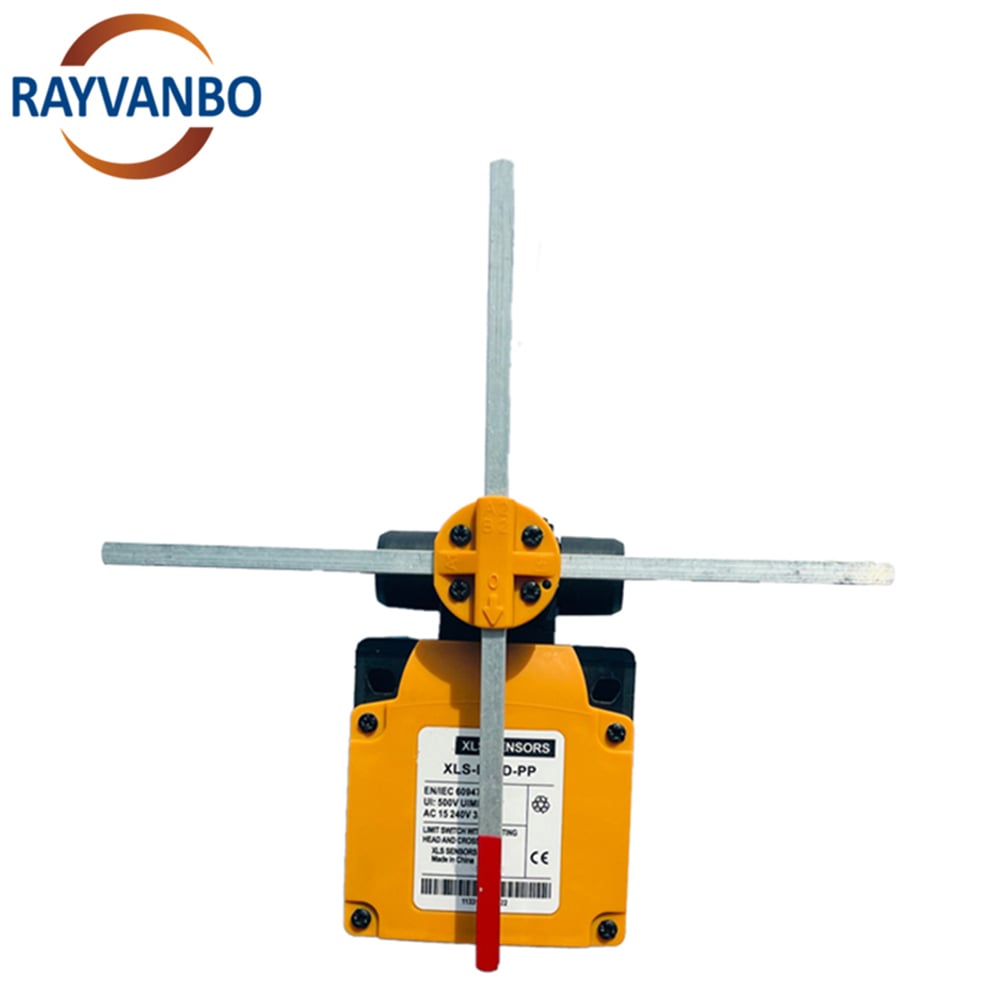
A high-quality electric hoist should include dual braking systems, upper and lower limit switches, overload protection devices, and anti-drop hook mechanisms to ensure safe operation. In environments with high temperatures, dust, or corrosive conditions, motors and electrical systems must meet appropriate protection standards. A reliable electric hoist is fundamental to the overall safety and stability of the crane system.
The operating mode of a lifting system significantly influences material handling efficiency. Fixed-type lifting equipment is suitable for vertical lifting at a single point but offers limited flexibility. Manual trolley systems are appropriate for light-duty and low-frequency operations. Electric trolley systems, however, are ideal for long-distance and high-frequency lifting tasks.
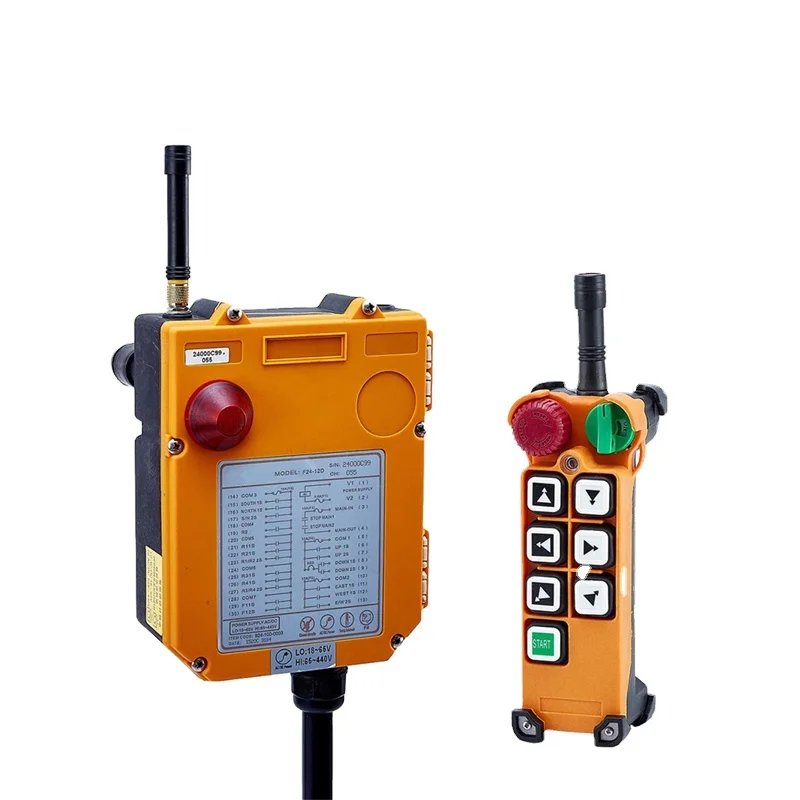
In automated production lines or large-span workshops, overhead cranes equipped with variable frequency drive (VFD) systems provide smooth start-up, precise positioning, and reduced impact loads. This not only improves operational safety but also extends equipment lifespan. Additionally, wireless remote control and smart monitoring systems enable remote operation and real-time data tracking, supporting digital management of modern industrial lifting systems.
Safety is a critical factor when selecting a lifting system. Modern overhead cranes and electric hoists are typically equipped with overload limiters, upper and lower travel limit switches, emergency stop buttons, and reliable braking systems to prevent accidents.
In special environments such as flammable, explosive, or high-dust areas, explosion-proof crane systems must be considered. As industrial upgrading accelerates, more factories are adopting intelligent lifting systems that integrate frequency control, load monitoring, operational data recording, and remote fault diagnostics. These smart configurations not only enhance operational stability but also reduce long-term maintenance costs and downtime risks.
When choosing a lifting system, companies should evaluate total lifecycle costs rather than focusing solely on initial purchase price. Installation costs, energy consumption, maintenance expenses, and potential downtime losses must all be considered. High-quality overhead cranes and electric hoists may involve higher upfront investment but offer greater durability and lower long-term operating costs.
It is also important to reserve room for future expansion. Increasing lifting capacity, extending span, or upgrading to smart control systems should be considered during the initial design phase to accommodate future production growth.
Choosing the right lifting system for a factory workshop is not simply about purchasing an overhead crane or electric hoist—it requires systematic planning of a complete material handling solution. Overhead cranes, gantry cranes, electric hoists, and jib cranes must be selected based on lifting capacity, span, structural conditions, and working frequency to ensure efficient, safe, and stable operation.
Scientific crane system selection improves production efficiency, reduces safety risks, and lowers operating costs, ultimately creating long-term value for the enterprise. If you are planning a new workshop or upgrading existing lifting equipment, it is advisable to approach the project from a complete system perspective and work with professional engineers to design a customized, modern lifting system tailored to your production needs.
 Hot News
2026-09-21
2026-09-02
2026-08-19
2026-07-15
2026-07-09
2026-07-01
 EN
EN