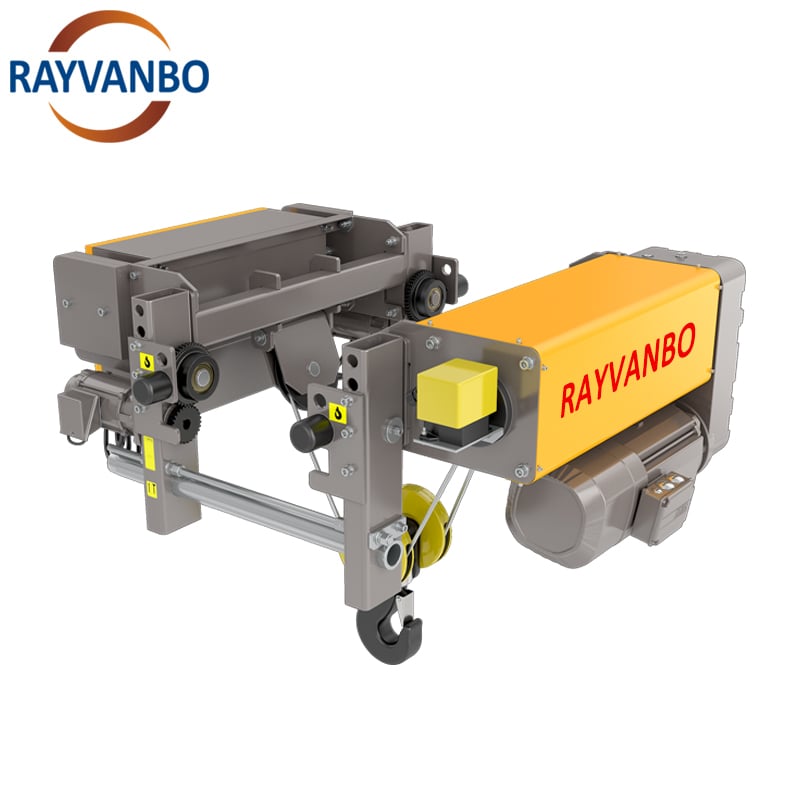
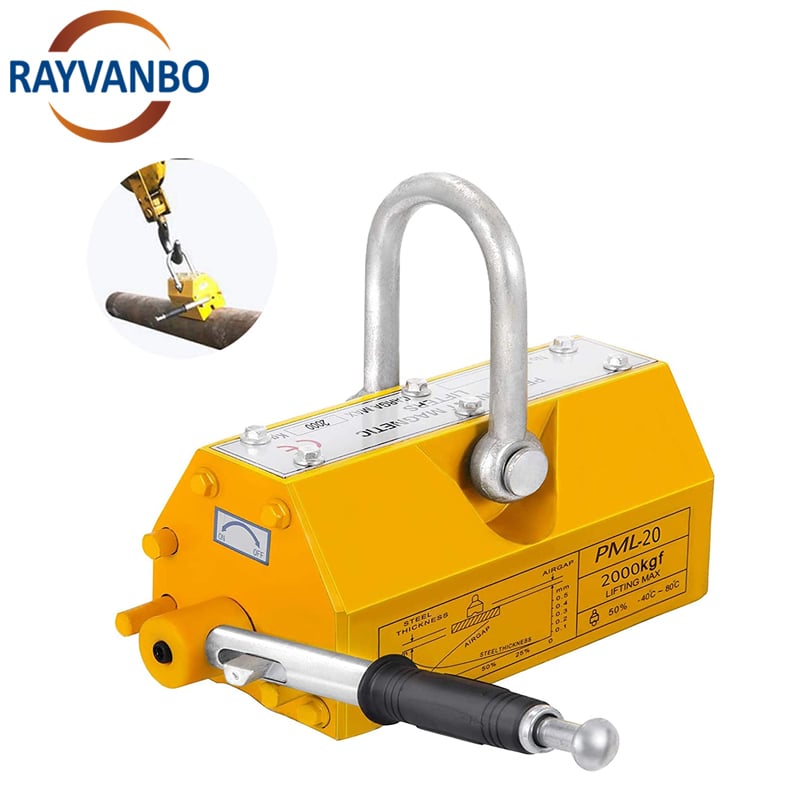
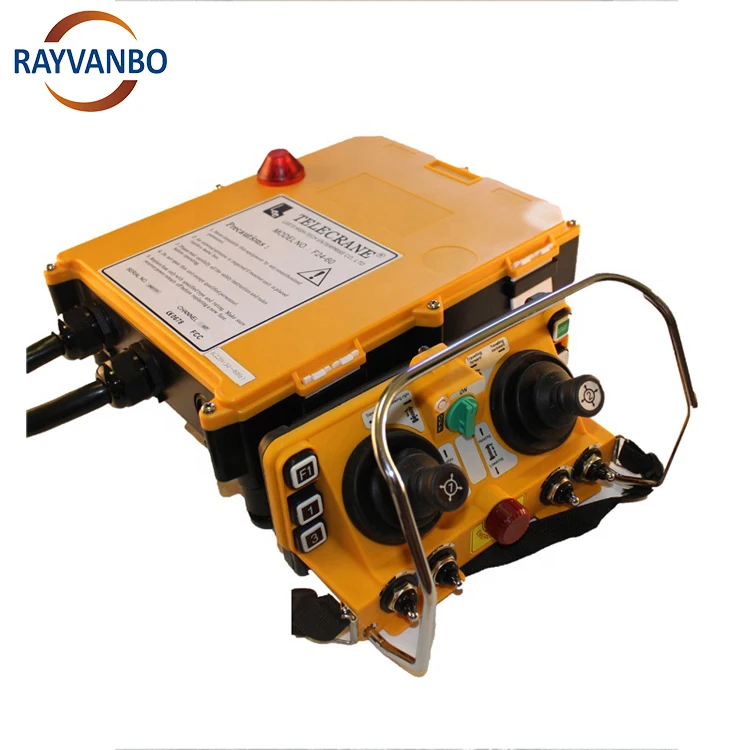
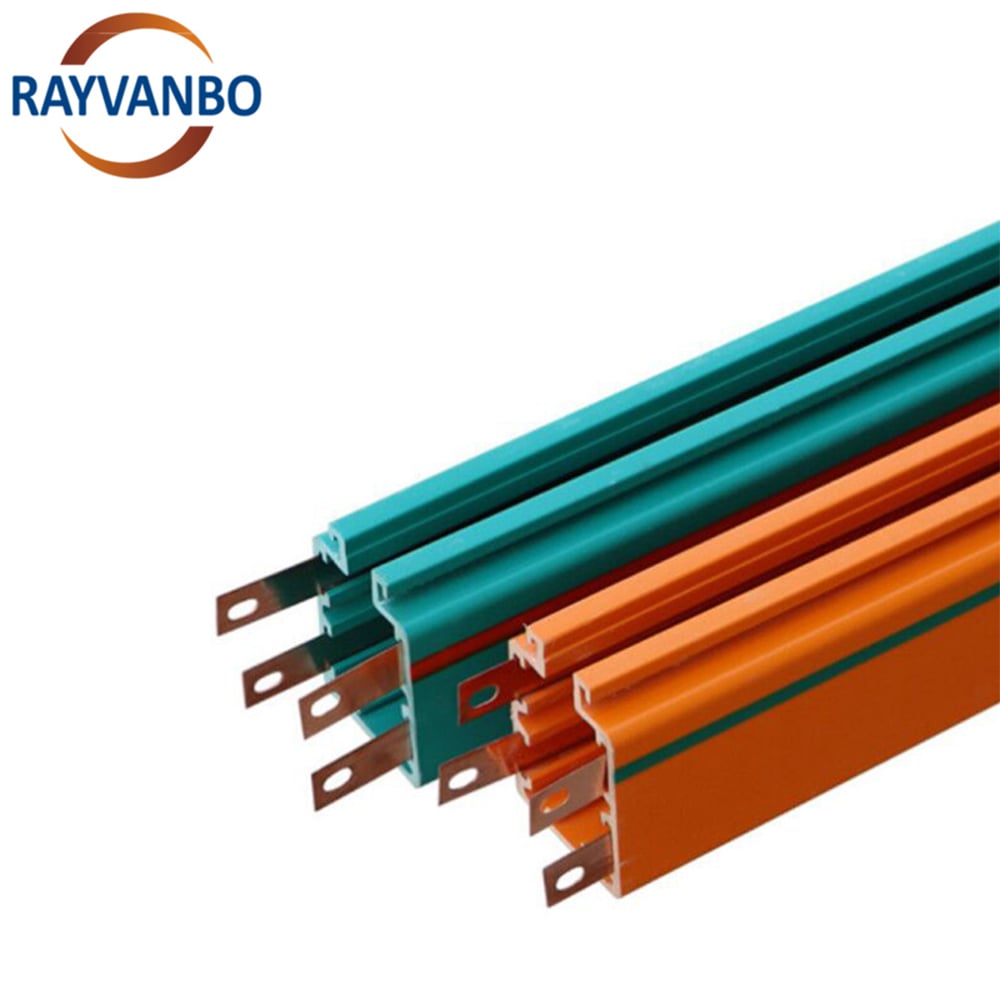
When sourcing electric hoists for industrial applications, buyers often prioritize lifting capacity, price, and brand reputation. However, one of the most critical—yet frequently overlooked—factors is duty cycle. Ignoring this parameter can result in overheating motors, unexpected downtime, increased maintenance costs, and even safety risks.
Duty cycle is not just a technical specification; it directly determines how reliably and efficiently your hoist will perform in real working conditions. Whether you are operating in manufacturing, construction, warehousing, or heavy industry, selecting the correct duty cycle is essential for long-term success.
This guide will provide a comprehensive understanding of duty cycle in electric hoists, including definitions, classifications, selection methods, and practical applications to help you make informed purchasing decisions.
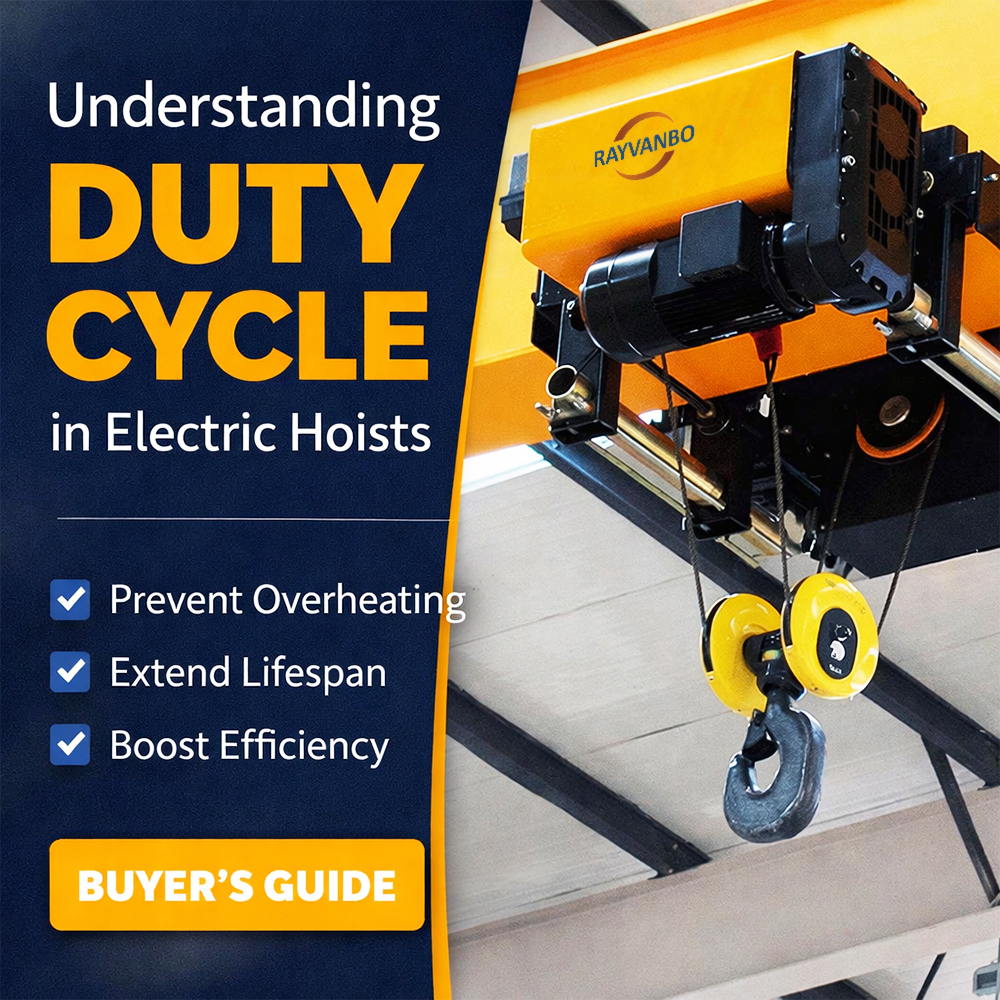
Duty cycle refers to the percentage of time an electric hoist can operate continuously within a fixed time period without exceeding safe temperature limits. It reflects the balance between working time and resting (cooling) time.
Duty cycle is typically expressed as a percentage and calculated over a standard 10-minute interval.
A hoist with a 25% duty cycle means:
Similarly:
The higher the duty cycle, the longer the hoist can operate continuously without overheating.
Electric hoists generate heat during operation. A higher duty cycle indicates that the motor and components are designed to withstand higher thermal loads. If a hoist operates beyond its rated duty cycle, excessive heat buildup can damage insulation, reduce motor efficiency, and lead to failure.
Consistently exceeding the duty cycle accelerates wear on key components such as:
A properly selected duty cycle ensures stable performance and significantly extends the service life of the hoist.
In high-frequency operations, a low-duty hoist will require frequent stops for cooling, reducing workflow efficiency. In contrast, a high-duty hoist supports continuous operations, improving productivity and reducing labor delays.
Overheating can lead to system failure, load drops, or brake malfunction. Choosing the correct duty cycle reduces the risk of accidents and ensures compliance with industrial safety standards.
In global markets, especially in Europe, duty cycles are standardized under the FEM classification system. These classes define the working intensity of lifting equipment.
FEM Class |
ISO Equivalent |
Duty Level |
Description |
1m |
M3 |
Light Duty |
Infrequent use, light loads |
2m |
M4 |
Medium Duty |
Regular use, moderate loads |
3m |
M5 |
Heavy Duty |
Frequent use, heavier loads |
4m |
M6 |
Very Heavy Duty |
Continuous or near-continuous operation |
The FEM classification considers not only duty cycle but also load spectrum and operating frequency, making it a more comprehensive evaluation system.
Duty cycle alone does not provide a complete picture. It must be evaluated together with the load spectrum, which represents the distribution of loads handled by the hoist over time.
Low load + low frequency → Lower duty cycle sufficient
High load + high frequency → Higher duty cycle required
For example, a hoist lifting 80–100% of its rated capacity multiple times per hour requires a significantly higher duty classification than one lifting light loads occasionally.
How often the hoist is used per hour or per shift is a primary factor:
The closer the working load is to the rated capacity, the higher the duty cycle required. Frequent maximum-load lifting increases thermal and mechanical stress.
Higher lifting heights and faster speeds increase motor workload, requiring a more robust duty classification.
Environmental conditions significantly impact performance:
In such cases, selecting a higher duty cycle is recommended.
Frequent starts and stops generate additional heat and mechanical stress. Applications with high cycling rates require higher-duty hoists.
Define:
Use your operational data to select the appropriate FEM class:
Always select a slightly higher duty class than calculated to account for unexpected workload increases and future expansion.
Provide detailed application data to your supplier for accurate selection. A reliable supplier will recommend the optimal configuration based on real usage conditions.
Lower-cost hoists often have lower duty ratings and may not withstand real operational demands, leading to higher long-term costs.
Many buyers underestimate usage intensity, resulting in undersized equipment that fails prematurely.
A hoist may have sufficient lifting capacity but still be unsuitable due to a low duty cycle.
Operating beyond rated capacity dramatically increases heat generation and mechanical stress, reducing lifespan and compromising safety.
Using VFD technology allows smoother starts and stops, reducing mechanical stress and heat generation, effectively improving operational efficiency within the same duty class.
Modern hoists are equipped with:
These features help prevent damage but should not replace proper duty cycle selection.
Higher duty cycles demand more rigorous maintenance schedules, including:
Exceeding the duty cycle leads to overheating, which can damage motor insulation, reduce performance, and eventually cause system failure.
Both are equally important. Capacity determines how much weight you can lift, while duty cycle determines how often and how long the hoist can operate safely.
In most cases, no. Duty cycle is determined by the motor design, materials, and structural configuration of the hoist.
You need to evaluate:
Then match these factors to FEM classifications or consult with a professional supplier.
Choosing the right duty cycle is essential for maximizing performance and minimizing long-term costs.
If you are unsure which electric hoist fits your application:
Contact our experts for professional selection support
Get a customized solution based on your working conditions
Request a free quotation within 24 hours
Download our complete product catalog
Duty cycle is a key performance indicator that directly affects efficiency, durability, and safety in electric hoists. A well-matched duty cycle ensures smooth operation, reduces downtime, and extends equipment life.
By understanding and applying the principles outlined in this guide, buyers can make smarter decisions and achieve better long-term value from their lifting equipment investments.
 Hot News
2026-09-21
2026-09-02
2026-08-19
2026-07-15
2026-07-09
2026-07-01
 EN
EN