 EN
EN



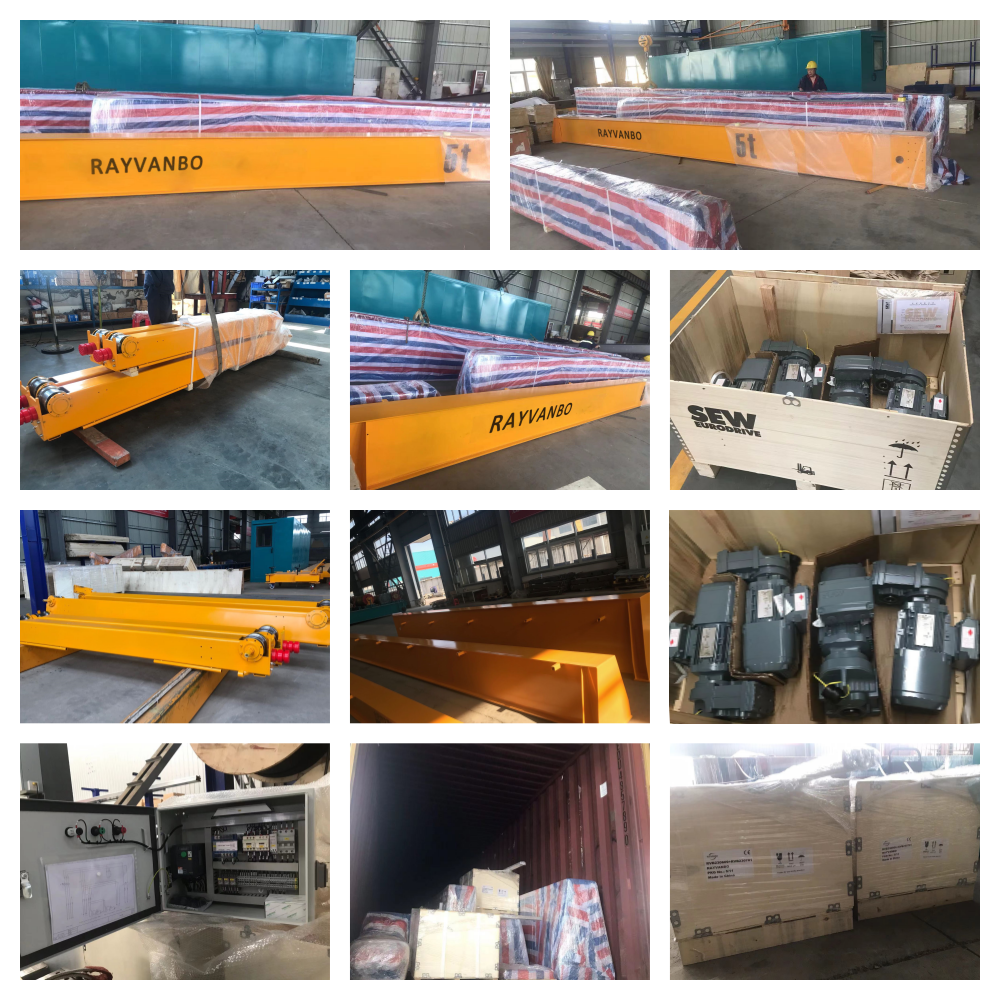
Essential Overhead Crane Preventive Maintenance Schedule by Timeframe
Daily & Weekly Inspections: Wire Ropes, Hooks, Limit Switches, and Brakes
Regular visual inspections of overhead crane parts can stop major accidents before they happen. When looking at wire ropes, watch out for broken strands, kinks, or signs of corrosion these are red flags that mean replacement is needed right away, as specified in OSHA guidelines 1910.179. Weekly testing of limit switches ensures cranes actually stop when they reach their travel limits. Also check if brakes engage properly without slipping around the shop. For hook inspections, focus mainly on throat distortion and whether the latch works correctly. Any damaged hooks should be taken out of commission immediately, not just marked for later repair. These quick spot checks usually take less than 15 minutes but make a real difference. Industrial safety reports show such routine maintenance cuts down on unexpected breakdowns by about 32 percent over time.
Monthly & Quarterly Tasks: Lubrication, Trolley Wheel Alignment, and Rail Condition Checks
Regular lubrication of all those moving parts like bearings, gears and joints helps prevent early wear and tear. Always stick to the greases specified by the manufacturer and apply them only on surfaces that are clean and free from contaminants. Every three months, check how well the trolley wheels line up with the runway rails. If there's any misalignment over 1/8 inch, that significantly raises the risk of derailments and causes the treads to wear down unevenly. While doing this inspection, take a good look at the rails themselves for signs of damage such as cracks, big gaps between sections, or rust spots. When possible, ultrasonic testing provides a better view of hidden issues in the rail structure. According to recent industry reports from 2023, problems with damaged rails account for around 17% of all crane accidents.
Annual Deep-Dive Protocols: Load Testing, Structural Integrity Review, and Control System Calibration
The annual maintenance schedule should definitely cover certified load tests at 125% of the rated capacity, something that's mandated under ANSI/ASME B30.2 standards. When it comes to structural checks, technicians need to look closely at those critical welds and stress points throughout the equipment, paying special attention to areas like girders and end trucks where problems tend to show up first. Getting the control systems properly calibrated is another key part of the process. This helps make sure there's good coordination between what happens when someone presses buttons on the pendant controls, how the variable frequency drives respond, and ultimately what the motors actually do. Don't forget to recalibrate those limit switches and check out the overload protection devices while replacing all the hydraulic fluids during service calls. Experience shows most cranes will have around three to five serious issues discovered each time through these regular inspections, according to maintenance records collected from various manufacturing plants over recent years.
Critical Overhead Crane Component Maintenance Practices
Hoist System Care: Brake Adjustment, Gearbox Lubrication, and Drum Wear Monitoring
Regular maintenance of hoists is essential for keeping lifting operations safe and efficient. Brake torque should be tested at least once a month with properly calibrated load cells. If the stopping distance goes beyond what OSHA 1910.179 specifies, then the spring tension needs adjustment right away. Gearbox maintenance requires purging old lubricant and refilling with the correct viscosity grade approved by the manufacturer. Contaminated oil can really speed up internal wear over time. Checking drum groove depth makes sense too. Use a micrometer to measure this every 500 operating hours. When the wear gets close to 10% of the original depth (as specified in ANSI B30.2), it's time for new drums to avoid problems with rope slippage or misalignment issues. Don't forget to thoroughly clean all friction surfaces before applying fresh lubricant. This simple step helps maintain proper braking performance and prevents unexpected failures during operation.
Electrical & Control System Health: Contactors, Relays, and Radio/Pendant Functionality
According to recent industrial safety reports, electrical problems are responsible for nearly 4 out of every 10 hours lost due to overhead crane downtime. Maintenance crews should check contactors every other month with infrared thermography equipment. Any unit running hotter than 15 degrees Celsius above normal readings needs replacement right away. When plants have their scheduled quarterly shutdowns, technicians need to run tests on relay logic sequences by creating simulated overload situations. Monthly checks for radio and pendant systems require measuring signal strength in all work areas. Battery replacements for these systems happen once a year as standard practice. Don't forget the basics too: making sure terminal connections stay tight and cleaning dust off control panels with special non-conductive vacuum cleaners helps prevent dangerous arc flashes that can shut down operations completely.
Data-Driven Overhead Crane Lifespan Extension Strategies
Replacement Triggers for Wire Ropes, Hooks, and Trolley Wheels per ANSI/ASME B30.2 & OSHA 1910.179
Implementing evidence-based replacement criteria prevents failure while optimizing lifecycle costs. Key thresholds mandated by ANSI/ASME B30.2 and OSHA 1910.179 are:
- Wire ropes: Replace when 6 broken wires occur in one rope lay, or 3 broken wires appear in a single strand length
- Hooks: Discard if throat opening expands 15% beyond original dimension or twist exceeds 10°
- Trolley wheels: Remove from service upon detecting cracks, flange wear 10% of original thickness, or irregular tread deformation
Consistent adherence to these benchmarks extends average crane service life by 20–30% and cuts unplanned downtime by 45%, per OSHA’s 2023 crane safety report. Digital inspection logs–tracking wear progression over time–enable predictive replacement, shifting maintenance from reactive repair to strategic asset stewardship.
Overhead Crane Safety Compliance: Documentation, Logs, and Certification Requirements
Good record keeping isn't just paperwork it's essential for staying compliant with regulations and keeping operations safe. Both OSHA standard 1910.179 in the US and the international ISO 9927 guidelines insist on daily inspection logs, proper maintenance records, and proof that operators are properly certified. These documents double as evidence during audits and also help spot patterns over time that might indicate bigger problems. The rules get specific too OSHA wants daily inspection reports kept for at least three months while annual certification papers need to be stored for a full year. When it comes to operator qualifications, there's no shortcut around formal training programs that actually test skills. According to OSHA regulations, workers must go through this evaluation process every three years. Records should show when training happened, who did the evaluating, and any special endorsements related to particular types of equipment they operate.
| Record Type | Retention Period | Key Details |
|---|---|---|
| Daily Inspection Log | 3 months | Covers hooks, brakes, limit switches |
| Maintenance Reports | 12 months | Includes lubrication, alignment, and structural checks |
| Operator Certifications | Duration of employment | Must document initial training, reevaluations, and scope of authorization |
Consistent log-keeping supports predictive maintenance–e.g., correlating wire rope replacement intervals with manufacturer service life guidance helps prevent in-service failures. Always verify jurisdiction-specific requirements: EN 15011 in Europe, for instance, often mandates longer retention periods and additional inspection frequencies beyond OSHA minimums.
FAQ
What should be included in daily inspections for overhead cranes?
Daily inspections should include checking wire ropes, hooks, limit switches, and brakes. Watch out for signs of damage or malfunction in these components.
How often should lubrication be done?
Lubrication of moving parts like bearings, gears, and joints should be performed monthly and quarterly, following the manufacturer's specifications.
What is the importance of calibration and load testing?
Annual load testing ensures that cranes can handle the capacity mandated by standards. Calibration aligns control systems to prevent mishaps during crane operations.
How can adequate record-keeping benefit crane maintenance?
Proper documentation supports compliance and helps detect patterns that might indicate potential issues, aiding in predictive maintenance.