Industrial overhead cranes play a critical role in modern material handling operations. Whether used in manufacturing plants, warehouses, steel mills, workshops, logistics centers, or heavy industrial facilities, a reliable overhead crane can significantly improve productivity, operational safety, and workflow efficiency.
However, choosing the right industrial overhead crane is not simply about selecting a lifting capacity. Different industries have different operational requirements, and the crane’s performance, durability, safety systems, and long-term maintenance costs all directly affect production efficiency and return on investment.
For industrial buyers, understanding the most important overhead crane features can help avoid costly purchasing mistakes and ensure long-term operational reliability. In this article, we will explain the top features to look for when selecting an industrial overhead crane for your project.
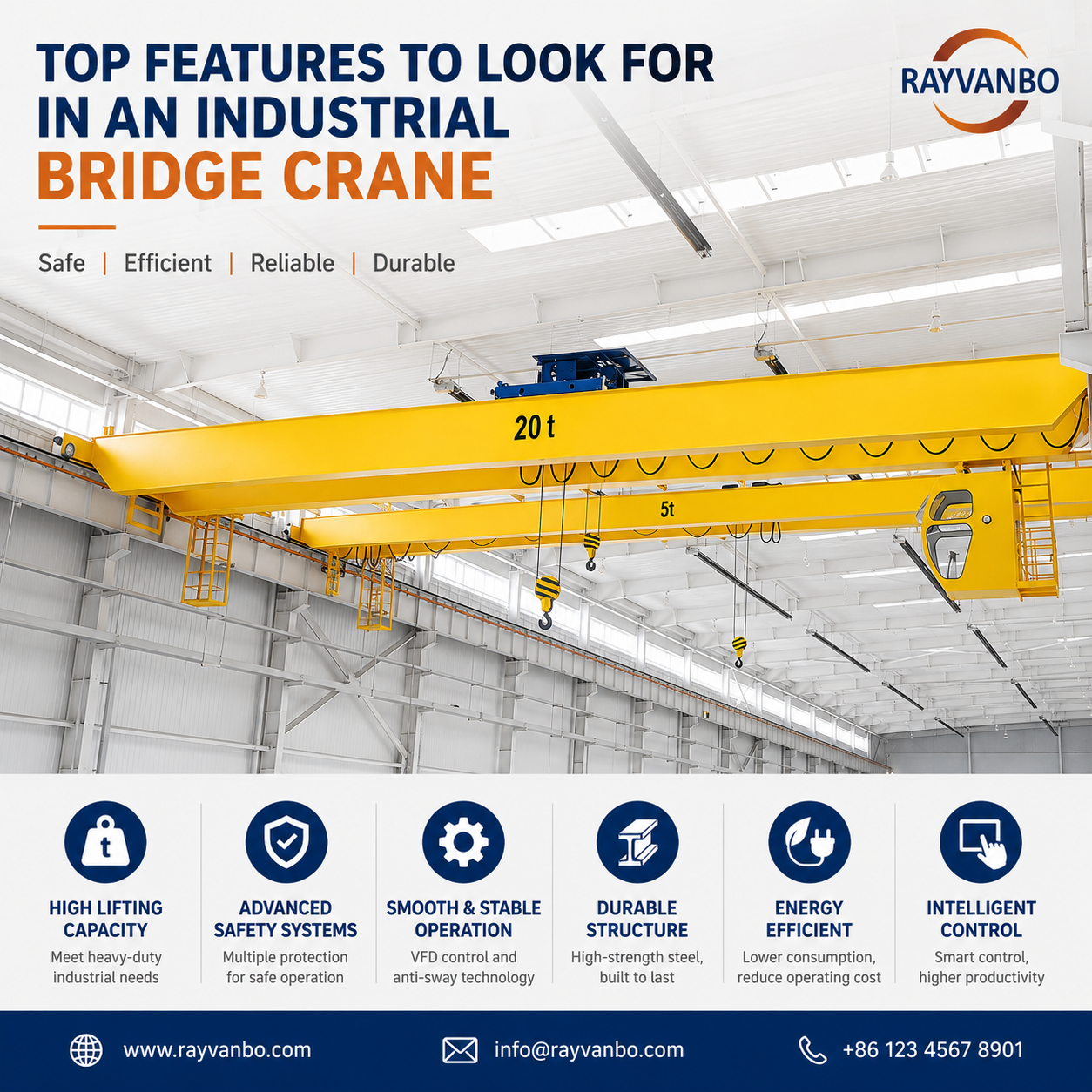
One of the first and most important factors to consider is lifting capacity. The crane must safely handle the heaviest materials used in daily operations while maintaining stable performance.
Industrial overhead cranes are available in a wide range of capacities, including:
Before purchasing a crane, buyers should carefully evaluate the actual working conditions inside the factory or warehouse. Choosing insufficient lifting capacity may create safety risks and reduce crane lifespan, while selecting an oversized crane can unnecessarily increase investment costs.
It is also important to consider future production expansion plans. Many companies prefer choosing a slightly higher capacity crane to support long-term business growth.
The structural strength of a overhead crane directly affects its stability, safety, and service life. A well-designed crane structure can maintain reliable operation even under continuous heavy-duty working conditions.
Industrial overhead cranes are generally available in:
Single girder cranes are ideal for light and medium-duty operations, while double girder cranes are more suitable for heavy industrial applications requiring higher lifting capacity and longer spans.
High-quality overhead cranes usually use high-strength steel materials, precision welding technology, and anti-deformation structural designs. In corrosive or outdoor environments, special surface treatment and anti-rust coating can also help extend equipment lifespan.
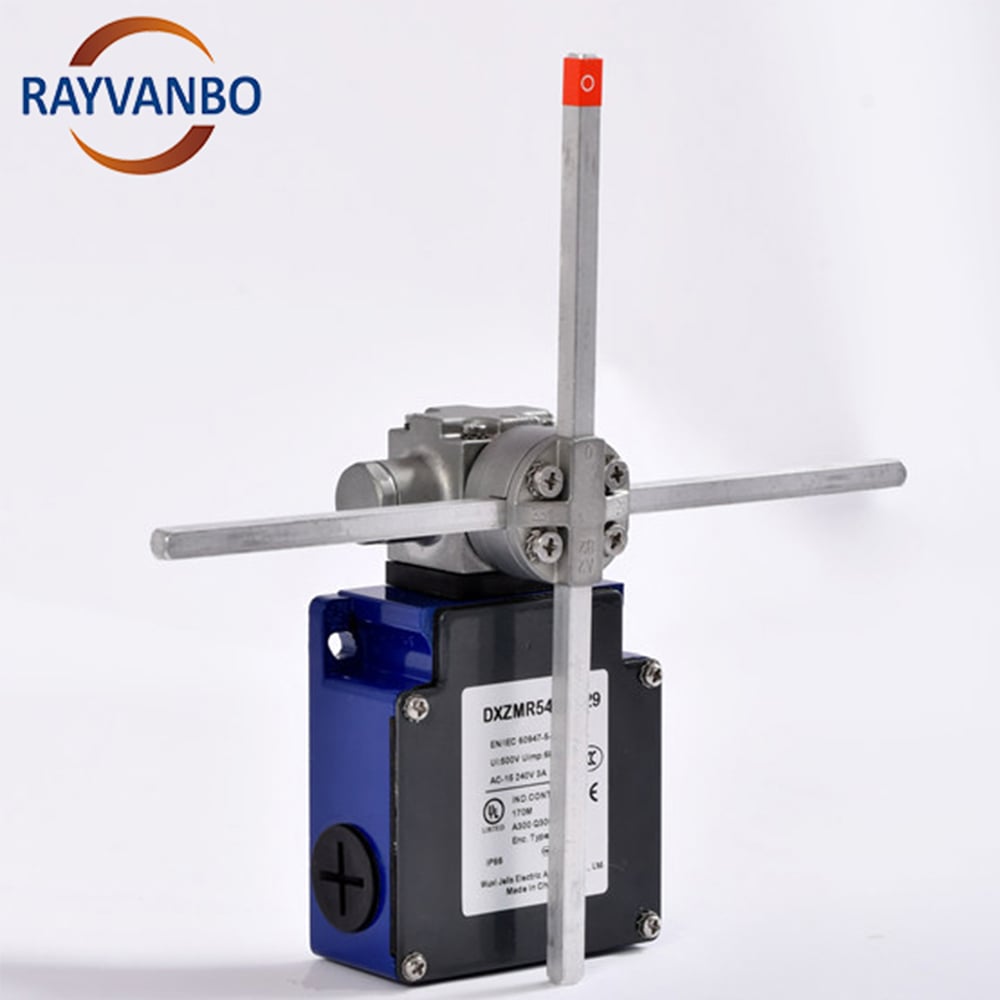
Safety is one of the most critical considerations in any industrial lifting operation. Modern industrial overhead cranes are equipped with multiple protection systems to reduce accident risks and improve operational safety.
Important safety features include:
These systems help prevent overload accidents, unexpected crane movement, and equipment damage. For industries handling heavy steel materials, machinery, or hazardous loads, advanced safety protection is especially important.
A safer crane system not only protects workers but also helps reduce unexpected downtime and maintenance costs.
Stable crane operation improves lifting accuracy, reduces load swing, and creates a safer working environment. This is especially important for factories handling precision machinery, molds, or fragile materials.
Modern industrial overhead cranes often use:
These technologies allow smoother acceleration and deceleration during lifting and traveling operations. As a result, the crane becomes easier to control while reducing wear on motors, gearboxes, and mechanical components.
Smooth operation also helps improve overall production efficiency and operator comfort.
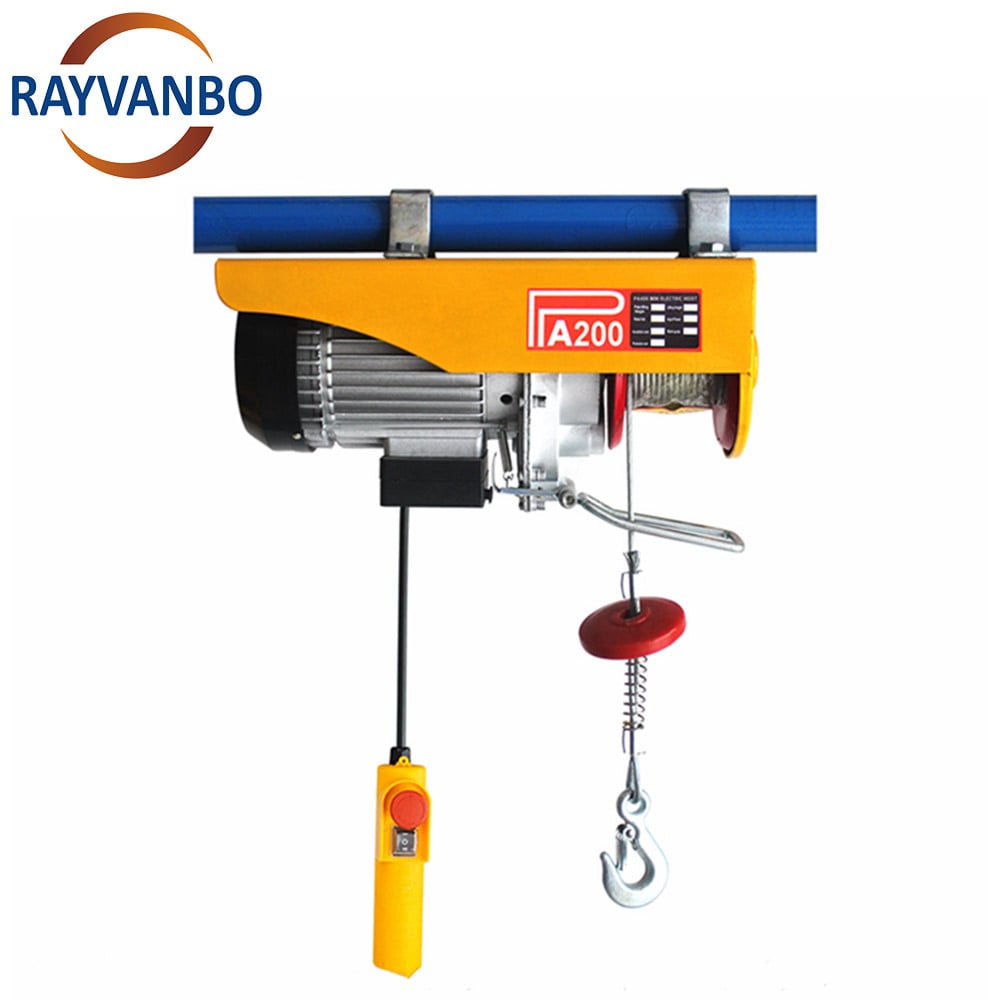
The hoisting system is one of the core components of an industrial overhead crane. A reliable hoist directly affects lifting efficiency, operational safety, and long-term maintenance performance.
When selecting a hoisting mechanism, buyers should pay attention to:
European-style hoists have become increasingly popular because of their compact structure, lower noise level, and higher energy efficiency. Choosing a high-quality hoisting mechanism can significantly reduce downtime and improve long-term reliability.
In many factories and warehouses, maximizing available working space is extremely important. Choosing the right overhead crane design can improve workshop layout and overall workflow efficiency.
Low headroom crane systems help increase lifting height inside limited workshop spaces. Compact crane structures also allow better use of storage areas and production lines.
European-type overhead cranes are often preferred for modern industrial workshops because they provide:
Efficient space utilization helps businesses increase storage capacity while improving material handling efficiency.
As industrial energy costs continue to rise, more companies are focusing on energy-saving crane systems. Modern industrial overhead cranes are increasingly designed with energy efficiency in mind.
Common energy-saving features include:
These technologies help reduce electricity consumption without affecting lifting performance. Over time, lower power usage can significantly reduce overall operating costs for factories and warehouses.
Energy-efficient cranes also support environmentally friendly industrial operations and sustainable manufacturing goals.
With the development of industrial automation, intelligent crane control systems are becoming more common in modern factories.
Advanced control options may include:
These intelligent systems improve lifting precision, reduce manual operating errors, and support automated production processes. For smart factories and automated warehouses, intelligent crane technology can greatly improve production efficiency.
Maintenance accessibility is another important factor when selecting an industrial overhead crane. A crane designed for easy maintenance helps reduce downtime and lowers repair costs.
Important maintenance-friendly features include:
Routine maintenance becomes faster and more convenient when crane components are designed for easy access. This helps extend equipment lifespan and improve long-term operational reliability.
Even high-quality crane equipment requires reliable technical support and after-sales service. Choosing an experienced overhead crane manufacturer is just as important as selecting the crane itself.
A professional supplier should provide:
For international buyers, working with a manufacturer that has export experience can help ensure smooth communication, faster delivery, and better long-term cooperation.
Choosing the right industrial overhead crane requires careful consideration of multiple factors beyond lifting capacity alone. Features such as structural durability, advanced safety systems, smooth operation, intelligent controls, energy efficiency, and maintenance convenience all play important roles in long-term crane performance.
A high-quality overhead crane can help businesses improve operational safety, increase productivity, reduce maintenance costs, and support future production growth.
Whether you need a single girder crane for light-duty applications or a heavy-duty double girder crane for industrial production lines, working with a professional overhead crane manufacturer can help you find the most suitable lifting solution for your project.
Lifting capacity and safety systems are among the most important features because they directly affect operational safety and crane performance.
Double girder overhead cranes are generally better for heavy-duty industrial operations because of their higher lifting capacity and greater structural stability.
Yes. Many modern overhead cranes use variable frequency drives and energy-saving motors to reduce electricity consumption.
Yes. Crane span, lifting height, voltage, control systems, and safety configurations can all be customized according to project requirements.
Reliable technical support and spare parts service help reduce downtime and ensure long-term crane performance.
Looking for a reliable industrial overhead crane manufacturer?
We provide:
Contact us today for professional overhead crane recommendations and competitive factory prices.
 Hot News
2026-09-21
2026-09-02
2026-08-19
2026-07-15
2026-07-09
2026-07-01
 EN
EN