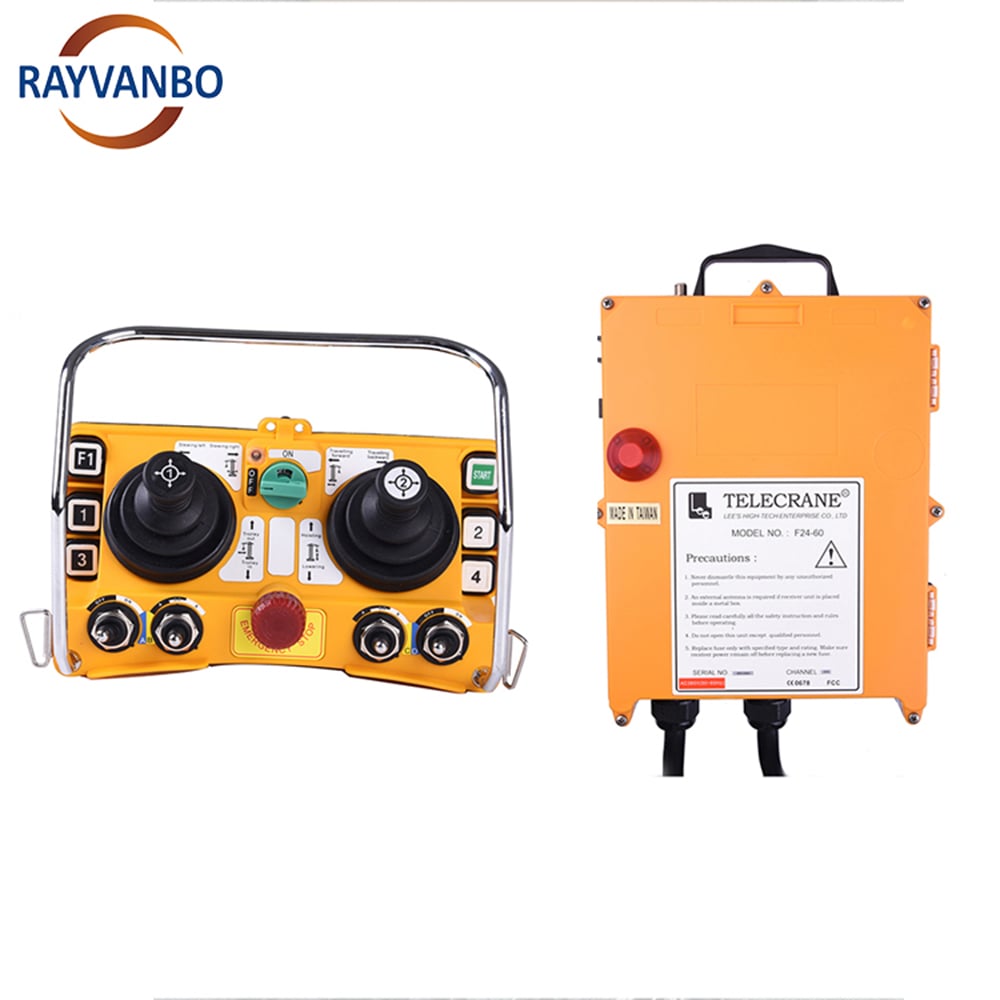
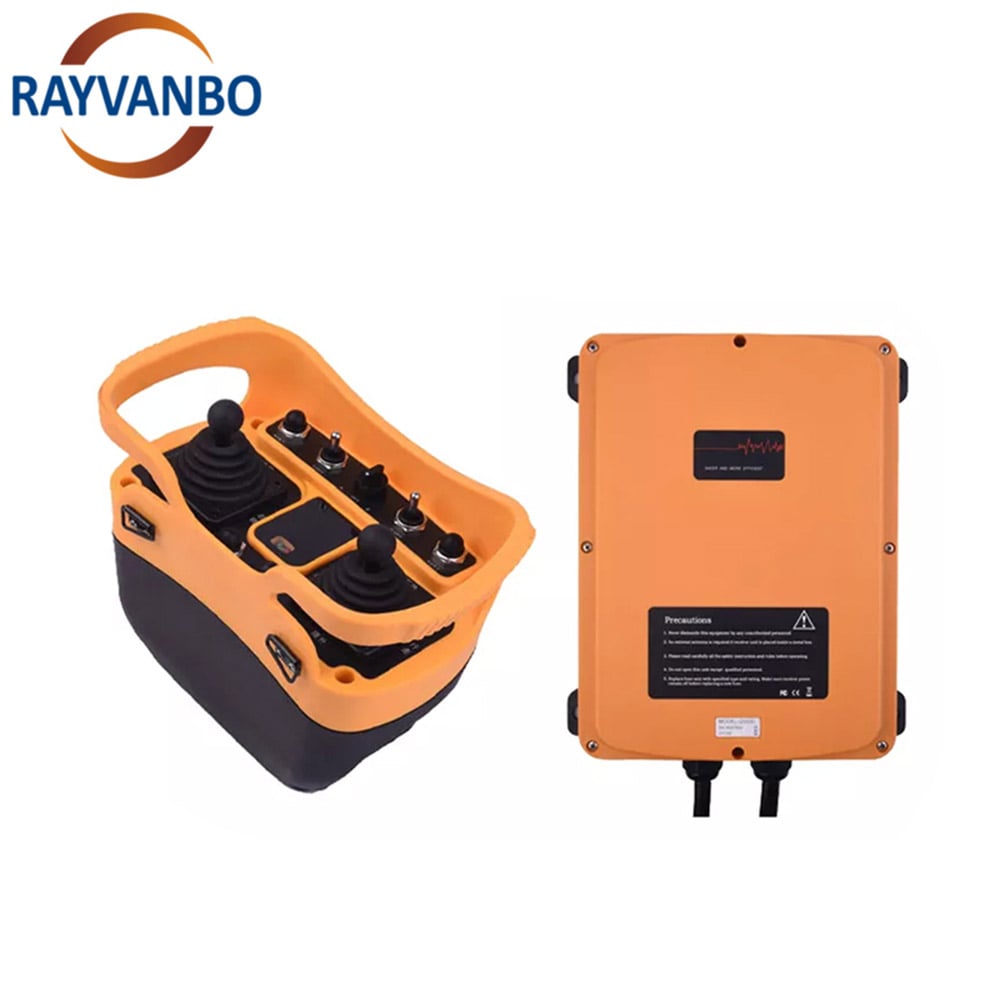
Overhead cranes are widely used lifting equipment in the industrial field. Due to their stable operation, large coverage area, and high operating efficiency, they are extensively used in factory workshops and various production sites. Understanding the main uses and typical application scenarios of overhead cranes helps enterprises make more rational decisions in equipment selection and production planning.
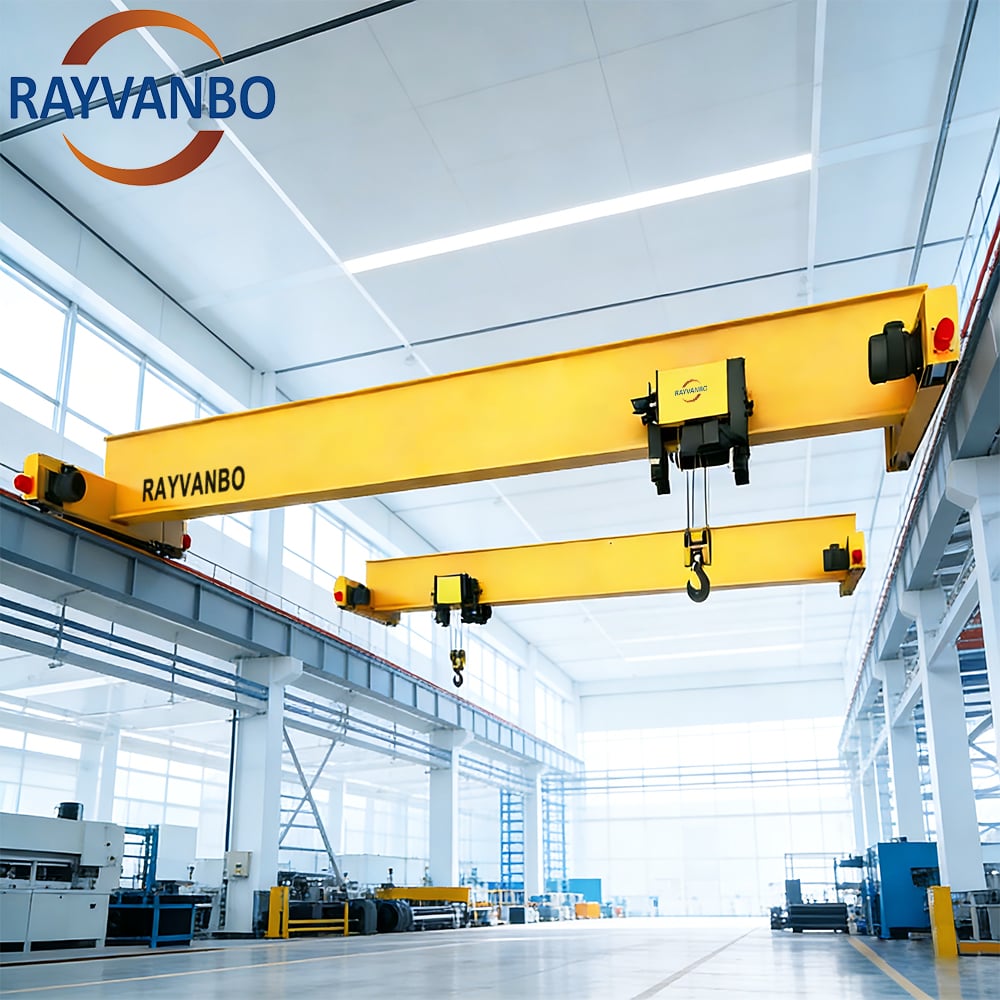
I. Main Uses of overhead Cranes
The core use of overhead cranes is to perform vertical lifting and horizontal transport of heavy objects. Through the coordinated operation of the main beam, trolley, and lifting mechanism, materials can be quickly and accurately transported to designated locations within a fixed factory space.
Compared with manual handling or forklifts, overhead cranes have significant advantages in the following aspects:
Therefore, overhead cranes are not only handling tools but also key equipment in modern industrial production systems.
II. Typical Applications in Manufacturing Workshops
In production workshops such as machinery manufacturing, auto parts, and steel structure processing, overhead cranes are widely used for:
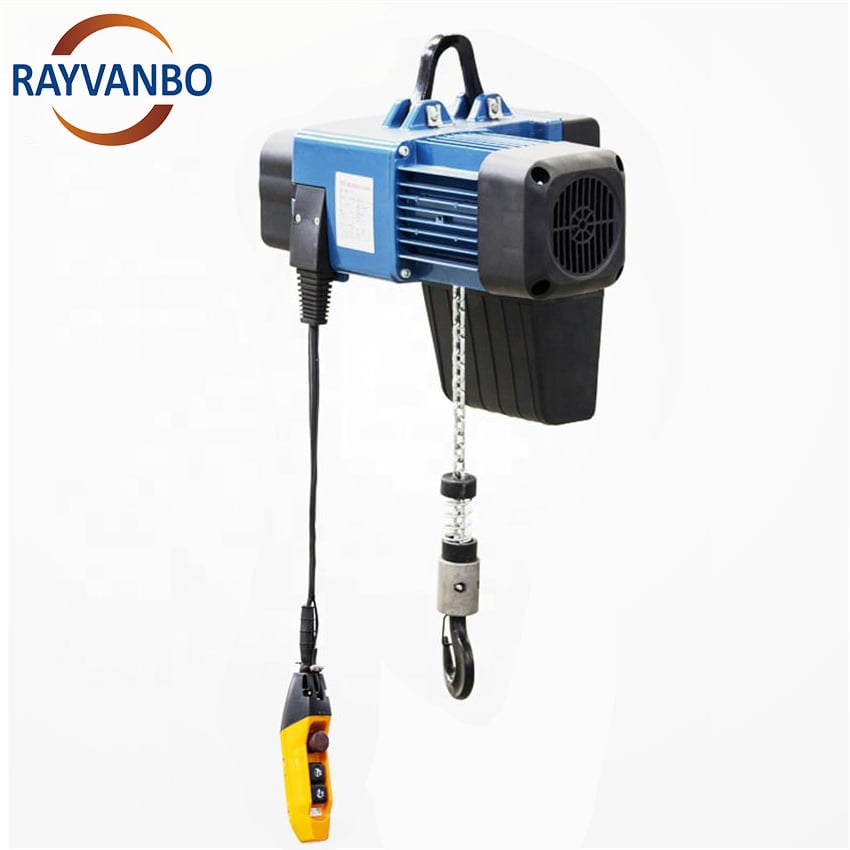
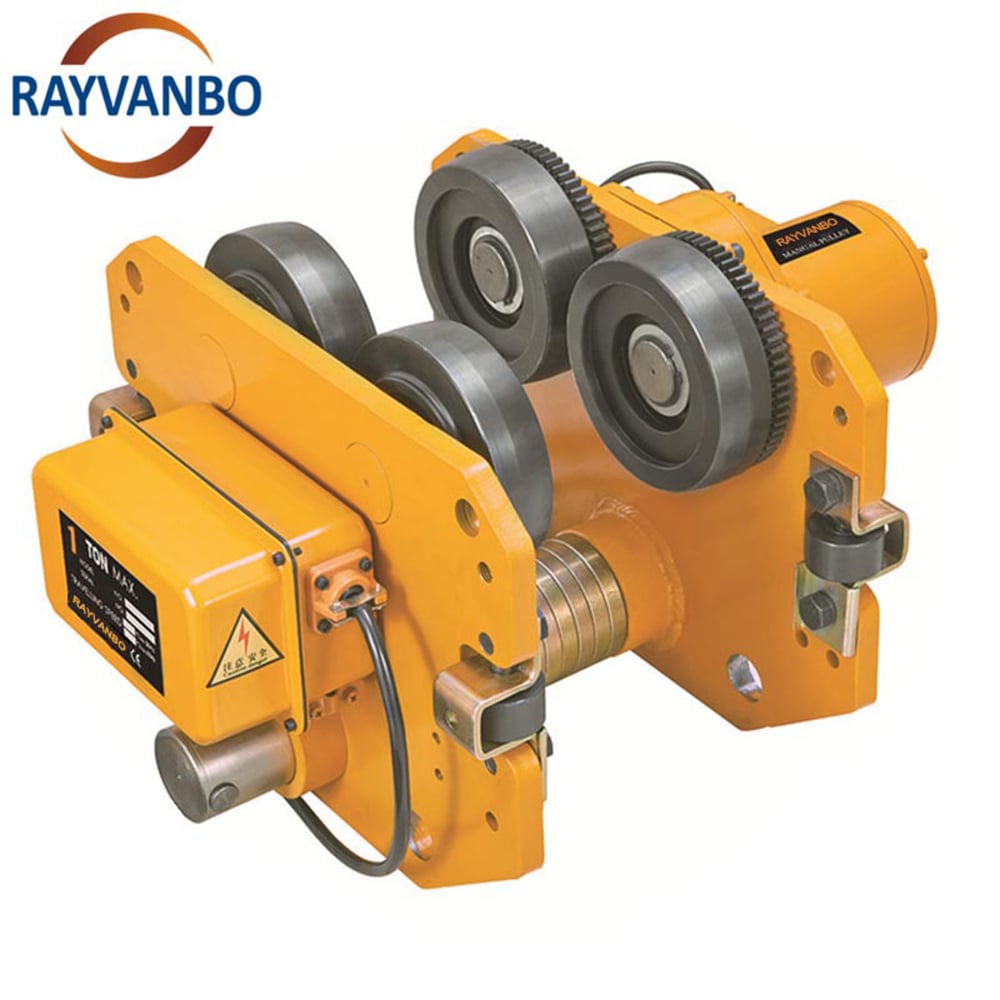
Especially in streamlined production, overhead cranes can cover the entire workshop area, working in conjunction with electric hoists or trolleys to achieve high-frequency, continuous operation.
III. Warehousing, Logistics, and Material Management Scenarios
In warehouses, logistics centers, and material handling areas, overhead cranes are commonly used for stacking and transferring heavy goods.
Compared to forklift operations, overhead cranes can fully utilize overhead space to achieve three-dimensional material handling, making them particularly suitable for storing and scheduling heavy equipment, batches of goods, or large containers.
IV. Applications in Heavy-Duty Industries such as Metallurgy and Energy
In industries such as metallurgy, power, and casting, overhead cranes typically operate under high-temperature, high-dust, or high-intensity conditions, used for lifting heavy objects such as billets, castings, and equipment components. These applications place higher demands on the crane's load-bearing capacity, reliability, and safety, usually requiring double-girder overhead cranes or specialized lifting equipment.
V. Equipment Maintenance and Installation Scenarios
Besides production handling, overhead cranes also play a vital role in the installation, inspection, and maintenance of factory equipment. For example, during the installation or replacement of large machine tools and production line equipment, overhead cranes can achieve precise lifting, significantly improving operational safety.
Conclusion
Overall, overhead cranes are used in multiple stages of production, warehousing, installation, and maintenance. Their applications range from light manufacturing to heavy-duty industry, serving as an important guarantee for improving enterprise production efficiency and safety levels. Reasonable selection and correct use of overhead cranes can create greater long-term value for enterprises.
 Hot News
2026-09-21
2026-09-02
2026-08-19
2026-07-15
2026-07-09
2026-07-01
 EN
EN