 EN
EN



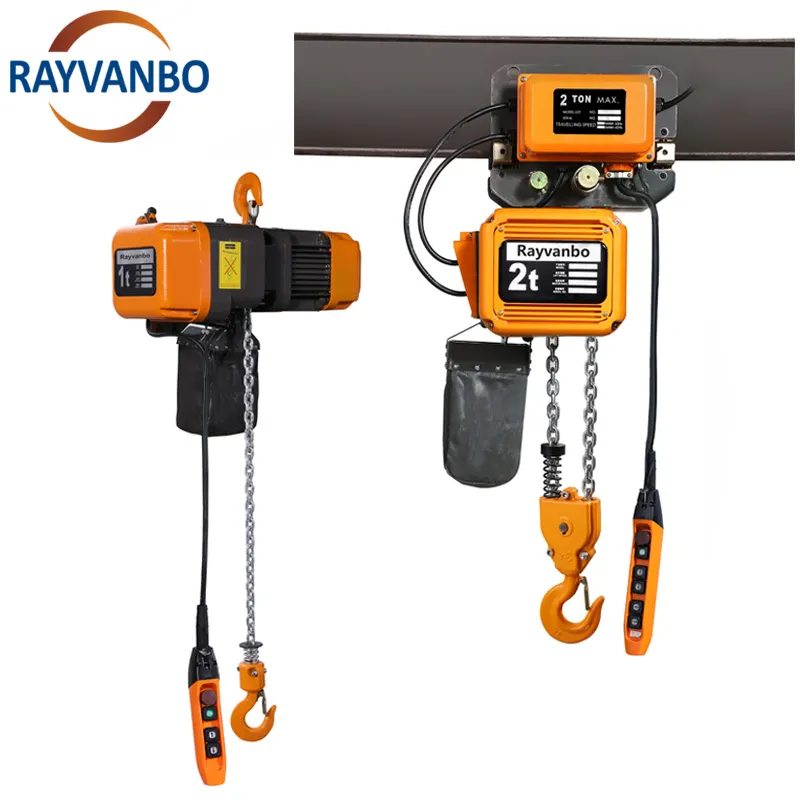
Conduct Regular Inspections to Identify Early Wear and Damage About Electric Chain Hoist
Daily Pre-Operational Inspections Using Standardized Checklists
Starting every shift with about five minutes of inspection using those official checklists from the manufacturer makes good sense. Check if the load chains are properly aligned, give the emergency stops a quick test run, and pay attention to any strange sounds when running without a load. Maintenance pros have found that sticking to these daily visual inspections cuts down on unexpected breakdowns by around 22 percent. Keeping track matters too. Operators need to write down what they find in some central record so we can spot patterns as parts start wearing out over months.
Periodic Inspections by Qualified Personnel Based on Usage Frequency
Certified techs need to do thorough assessments either every 250 hours of operation or at least once per quarter, whichever happens sooner. For facilities running three or more shifts each day where equipment gets hammered constantly, these checks should happen about 1.5 times more often compared to places with lighter workloads. During these evaluations, mechanics rely on special instruments like chain stretch measuring devices and heat detection cameras to spot problems inside machinery that regular visual inspections just can't catch. These tools help uncover things like worn parts and hidden electrical issues before they become major headaches down the road.
Key Components to Inspect: Load Chain, Hooks, Brakes, and Electrical Systems
Focus on four critical areas to ensure safety and performance:
- Load Chains: Replace links with 3% elongation or corrosion affecting over 10% of surface area
- Hooks: Discard if throat deformation is ≥15% or twist exceeds 5° from the original plane
- Brakes: Ensure stopping distance remains under 12 inches at rated capacity
- Electrical Systems: Use 24V continuity testers to check contactor pitting
Systematic component inspections prevent 38% of mechanical failures in lifting equipment, according to industrial automation research.
Recognizing Signs of Wear in Chains, Hooks, and Critical Parts
Watch for early warning signs:
- “Staircase” deformation on load chains indicating repeated overloads
- Heat-discolored hook surfaces from side-loading friction
- Brake linings with less than 1/8" remaining thickness
- Unusual current fluctuations during motor startup
Immediate replacement is essential when these indicators appear, as continued use accelerates system-wide degradation.
Follow a Proactive Lubrication and Cleaning Schedule
Lubrication Frequency Based on Electric Chain Hoist Usage Intensity
Lubrication intervals should match operational intensity. Heavy-use hoists handling multiple lifts daily typically require biweekly servicing, while moderate-use units may be serviced monthly. A 2023 material science study found that equipment in high-dust environments without proper lubrication wears 27% faster. Prioritize lubrication after exposure to moisture or abrasive contaminants.
Using Manufacturer-Recommended Lubricants for Optimal Performance
Manufacturers specify lubricants designed to maintain viscosity under load and resist washout from environmental exposure. Generic alternatives often fail to meet both criteria, increasing friction and wear. Specialized chain hoist lubricants reduce metal-to-metal contact by 43% compared to multipurpose oils, based on controlled trials. Always confirm compatibility with your hoist’s materials, especially plastic components and sealed bearings.
Cleaning and Protecting the Load Chain Against Corrosion and Friction
Wipe down the load chain after each operation to remove abrasive debris. Perform deep cleaning quarterly using solvent-soaked brushes to eliminate built-up contaminants. After cleaning, apply a thin layer of corrosion-inhibiting coating to pinch points and joints. This combined approach extends chain life by up to 40% in humid or salt-rich environments, per industrial maintenance benchmarks. Avoid high-pressure water jets, which can force debris into bearing surfaces.
Ensure Brake and Limit Switch Systems Operate Safely and Reliably
Testing Brake Responsiveness and Checking for Wear
Conduct weekly brake tests to verify stopping distances align with specifications. Technicians should measure deceleration with calibrated instruments, emphasizing emergency response performance. Brake pads with grooves deeper than 0.8 mm must be replaced immediately, as worn components can increase stopping distances by up to 40%, according to safety standards documentation.
Verifying Limit Switch Accuracy Under Load Conditions
Test limit switches at 110% of rated capacity to validate activation thresholds. Industry data shows improperly calibrated switches contribute to 23% of load-related incidents. Use certified weights and assess repeatability across 10 cycles to ensure reliability.
Balancing Safety: Automated Triggers vs. Manual Override Risks
While automatic braking prevents 92% of overload incidents, manual overrides introduce significant risk. Every override must be documented and verified by two operators. A 2024 analysis of hoist failures revealed that 68% of critical accidents stemmed from unlogged manual interventions.
Integrating Brake and Switch Checks into Routine Maintenance Cycles
Putting together regular function tests along with monthly looks at how the brake levers line up, checking those limit switches work properly, and making sure all the wiring insulation is intact makes good sense. Shops that stick to this combined approach see around 30% fewer unexpected breakdowns compared to places where they just do separate spot checks now and then. The schedule should match up with actual usage records too. For hoists that get used over 500 times each month, it's wise to double check everything every other week rather than waiting a full month. Following through on these steps not only keeps equipment running smoothly for years but also helps avoid any trouble with OSHA regulations like 1910.179, which can save headaches during inspections.
Maintain Electrical Components to Prevent Failures and Downtime
Proactive maintenance of electrical systems prevents 23% of unexpected failures in material handling equipment. For electric chain hoists, regular care of wiring, connectors, and safety circuits ensures sustained performance and extended service life.
Inspecting Wiring and Connectors to Prevent Short Circuits
Regular inspections of insulation integrity and ensuring terminals stay properly tightened can cut down arc flash dangers significantly, maybe around 40% when compared with just fixing problems after they happen. When doing these checks, technicians should pay special attention to areas where friction occurs near equipment that moves, look out for any unusual coloring on terminal blocks, and confirm that all connections have adequate strain relief. For hoisting systems used in tough environments, following industry standards makes sense. That means installing sealed cable assemblies and using connectors designed to withstand bad weather conditions. These precautions aren't optional extras but necessary investments for anyone running heavy machinery in challenging settings.
Protecting Electrical Systems in High-Humidity or Dusty Environments
Humidity above 60% accelerates corrosion sevenfold compared to controlled settings. Mitigate risks with silica gel packs in control enclosures, IP65-rated components, and low-pressure compressed air blowdowns ( ≤30 PSI) after particulate exposure. For coastal or mining applications, monthly application of dielectric grease on exposed contacts enhances protection.
Testing Emergency Stop Functions During Scheduled Maintenance
Dormant emergency stops account for 90% of safety system failures. Test monthly via full-stroke activation under no-load conditions and confirm sequential shutdown (motor brake followed by power cutoff). Integrate these checks with lubrication schedules to streamline maintenance workflows.
Perform Load Testing and Adhere to Capacity Limits for Longevity
Conducting static and dynamic load tests after repairs or long idle periods
When equipment comes back online after maintenance work or sits idle for long periods, it makes sense to run load tests just to make sure everything still works safely and performs as expected. For static testing, we typically hold the equipment at 125 percent of what it's rated for and keep it there for around ten minutes. This helps check if the structure can handle stress without showing signs of weakness. Dynamic testing looks at how the equipment operates when loaded between 100 to 110 percent capacity across different speeds. Industry research shows pretty compelling results here too – machines that get these annual dynamic checks tend to fail about 76 percent less frequently than those that don't. Looking at test outcomes against what the manufacturer considers normal operation is crucial for spotting any unusual behavior early before problems escalate into bigger issues down the line.
Never exceed rated load capacity to avoid strain and premature failure
Operating above capacity increases wear exponentially—a hoist lifting 115% of its rating suffers chain fatigue 3.2× faster, per load-bearing simulations. Overloading also voids warranties in 92% of cases. Install load monitoring sensors that trigger automatic stops at 95% capacity to create a buffer against unexpected weight variations.
Managing the balance between productivity demands and equipment preservation
- Implement mandatory cooldown periods after consecutive heavy lifts ( ≥80% capacity)
- Deploy secondary lifting devices for overload scenarios rather than straining primary hoists
- Train teams in load prioritization techniques to distribute weight across multiple units
Facilities maintaining this balance achieve 41% longer service intervals and 29% lower repair costs compared to those prioritizing speed over equipment care.
FAQ
How often should equipment inspections be conducted?
Daily inspections using checklists should be conducted at the start of every shift for immediate checks. More thorough inspections by certified technicians should be carried out every 250 operational hours or at least once each quarter.
What are the critical components to inspect regularly?
Critical components to focus on include load chains, hooks, brakes, and electrical systems. Each has specific signs and thresholds that indicate they need attention.
How does environmental setting affect maintenance schedules?
Environmental conditions like high humidity or dusty settings require more frequent maintenance checks, use of specialized equipment protection, and specific lubricants to prevent accelerated wear and corrosion.
Why is it necessary to conduct load tests?
Load tests ensure the equipment's safety and functionality, especially after repairs or long idle periods. They help identify any structural or operational weaknesses before they become significant issues.
What steps can facilities take to balance productivity and equipment preservation?
Implementing mandatory cooldown periods after heavy lifts, deploying secondary lifting devices, and training teams in load prioritization techniques can help in maintaining equipment integrity while meeting productivity demands.
Table of Contents
- Conduct Regular Inspections to Identify Early Wear and Damage About Electric Chain Hoist
- Follow a Proactive Lubrication and Cleaning Schedule
- Ensure Brake and Limit Switch Systems Operate Safely and Reliably
- Maintain Electrical Components to Prevent Failures and Downtime
- Perform Load Testing and Adhere to Capacity Limits for Longevity
- FAQ