 EN
EN



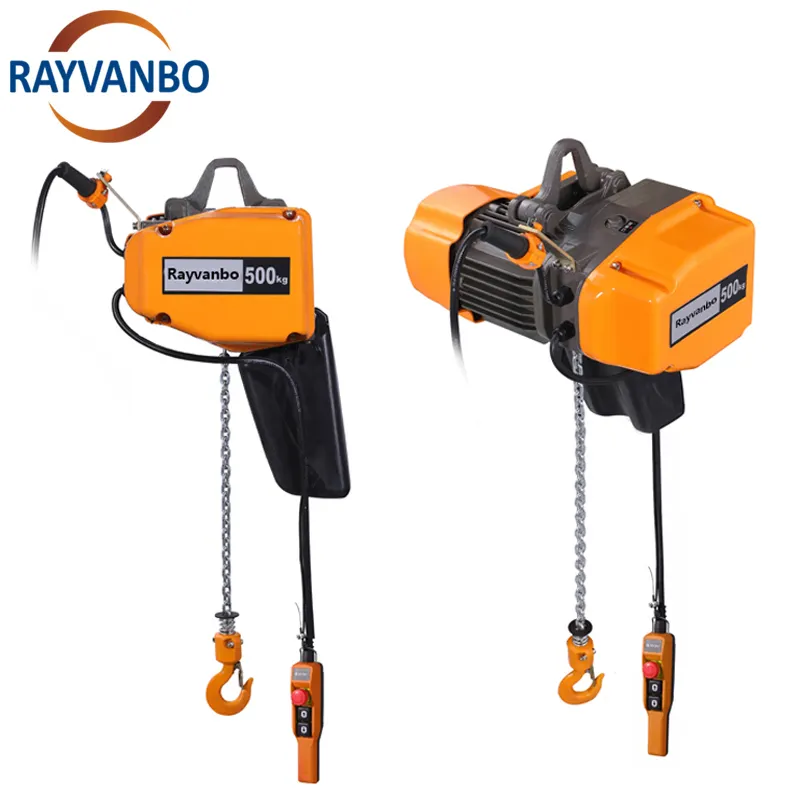
Core Differences Between Electric Chain Hoist and Wire Rope Hoist
Design and Mechanism: How Electric Chain Hoist and Wire Rope Hoist Work Differently
Electric chain hoists typically feature welded steel chains that run through compact sprockets, which makes these units well suited for tight work areas where only light loads need moving. Wire rope models work differently though they wrap multiple strands of steel cable around spinning drums, providing much better stability when dealing with heavier weights. Chain systems have this advantage too since their modular construction means parts can be replaced without replacing everything at once. But with wire rope setups, getting the drum aligned just right is absolutely critical if operators want their equipment to last and perform smoothly over time.
Lifting Capacity and Load Requirements for Each Hoist Type
| Feature | Electric Chain Hoist | Wire Rope Hoist |
|---|---|---|
| Typical Capacity Range | Up to 5 tons | 1–30+ tons |
| Max Lift Height | 20 feet | 50 feet |
| Operational Speed | 8–20 ft/min | 10–60 ft/min |
Chain hoists are best suited for applications like workshops and assembly lines with loads under 5 tons, whereas wire rope hoists dominate in construction and manufacturing where heavier lifts are routine. Industry data indicates that 80% of wire rope hoists operate above 10-ton capacities, highlighting their role in high-load environments.
Maximum Lift Height and Its Impact on Application Suitability
Wire rope hoists can handle lifts over 50 feet which makes them a must have for factories with tall buildings or those big overhead cranes everyone sees in manufacturing plants. Chain hoists usually stop around the 20 foot mark because chains tend to droop and get misaligned when stretched too far out. That's why most warehouses with those towering storage racks go with wire ropes for getting things up high. Meanwhile shops with lower ceilings or repair garages where space matters a lot find chain hoists work better since they take up less room and just plain hold up well over time without all the fuss.
Hoist Speed, Precision, and Control in Real-World Operations
Wire rope hoists hit speeds around 60 feet per minute, which cuts down on cycle times when production lines are running hot. On the flip side, electric chain hoists offer better control for those tricky positioning jobs, especially when putting together things like circuit boards or small electronic parts. Some research from last year showed that chain hoists actually cut positioning mistakes by about 34 percent in electronics manufacturing shops compared to their wire rope counterparts. Most modern models have variable speed controls these days, but wire rope still holds its own when it comes to lasting through long shifts without breaking down. Factories that run 24/7 tend to stick with them for that reason.
## Performance Comparison: When to Choose an Electric Chain Hoist### Precision and Efficiency of Electric Chain Hoist in Light-Duty Applications Electric chain hoists deliver millimeter-level accuracy, making them ideal for assembling sensitive electronics or positioning machinery parts. Their rigid chain design eliminates the stretch common in wire ropes, maintaining ±1/16" positioning consistency over 10,000+ cycles (Industrial Lift Journal, 2023). This level of control reduces product damage rates by 18–22% in electronics manufacturing, according to a 2024 automation analysis.### Reeving Configurations and Load Control in Chain Systems Single-reeved electric chain hoists are standard for loads under 5 tons, providing lifting speeds of 15–20 ft/min suited to rapid workstation handling. Double-reeved setups double the lifting capacity while improving vertical alignment–essential when moving asymmetrical loads like automotive body panels.| Configuration | Max Capacity | Speed Range | Vertical Drift ||-----------------|--------------|-------------|----------------|| Single Reeving | 5 tons | 12-20 ft/min| <0.5° || Double Reeving | 10 tons | 6-10 ft/min | <0.2° |### Ideal Use Cases for Electric Chain Hoist in Workstation and Assembly Environments Three environments consistently benefit from electric chain hoists: 1. **Automotive assembly lines**: 85% of European plants use chain systems for engine block positioning 2. **Packaging machinery maintenance**: Chain durability performs better than wire ropes in dusty conditions 3. **Pharmaceutical labs**: Galvanized chains resist corrosion from chemical vapors With 92% uptime in first-shift operations and service intervals every 500 hours, these systems cut maintenance costs by 40% compared to wire rope hoists in frequent light-duty use (Lifting Equipment Analytics, 2024).Heavy-Duty Applications: Advantages of Wire Rope Hoist in Industrial Settings
Wire Rope Hoist Performance in High-Capacity Manufacturing and Construction
Wire rope hoists can lift over 40 tons according to ISO standards from 2023, which is why they're so important in places like steel mills, shipyards, and when constructing bridges. The multi-strand cables used in these systems spread out the stress much better than traditional chains do, which helps prevent bending or twisting when lifting vertically or at angles. Some field tests have actually found that wire rope setups stay reliable around 98% of the time when working at maximum capacity. That's pretty impressive when compared to electric chain hoists that only hit about 82% reliability under the same heavy duty conditions.
Lift Height and Stability Under High-Stress Operating Conditions
Capable of lifting loads up to 50 meters, wire rope hoists offer unmatched stability for oversized materials. Dual braking systems and torsion-resistant drums minimize sway–even in outdoor environments with winds up to 28 mph (ASME B30.16-2023). This enables placement accuracy within ±5 cm at maximum elevation, crucial for precision-heavy industries.
Speed, Load Control, and Durability in Continuous Industrial Use
Wire rope hoists today can lift at speeds ranging from 8 to 20 meters per minute while offering smooth, adjustable control that simply beats what chain hoists provide in busy foundries and production facilities. These modern systems come equipped with toughened gearboxes and parts that don't need regular lubrication, meaning they can run nonstop for around 2,000 hours before needing maintenance. That's about three times better than what most chain hoists manage between service intervals. Looking at actual performance data across various industries, manufacturers report seeing roughly 92 percent reduction in unexpected stoppages when using these wire rope models in their round-the-clock operations. For plant managers dealing with tight schedules, this reliability makes all the difference.
Real-World Applications: Where Wire Rope Hoists Outperform Chain Systems
- Port cargo handling: Simultaneous lifting and trolley movement for ISO containers
- Power plant maintenance: 360° rotation capability for turbine installations
- Mining operations: Corrosion-resistant designs for wet processing plants
- Aerospace manufacturing: Micro-adjustment modes for engine component alignment
High-capacity models excel in applications requiring combined vertical/horizontal motion, extreme temperature tolerance (-40°C to 60°C), or explosion-proof certification–conditions where chain hoists face material and mechanical limitations.
Duty Cycle, Operational Frequency, and Long-Term Cost Considerations
Matching Hoist Type to Duty Cycle and Workload Demands
Most electric chain hoists work best when operated at or below 50% duty cycles, which makes them suitable for places where they aren't constantly running like repair garages or small metalworking shops. On the flip side, wire rope hoists handle much heavier workloads, typically operating between 80 to 100% duty cycles in factories that run multiple shifts throughout the day and night. According to research published in 2023 on materials handling equipment, chain driven systems pushed beyond their recommended 50% limit end up needing around 40 percent more maintenance each year compared to their wire rope counterparts. This means higher long term costs for businesses not matching their lifting needs with the right type of hoist technology.
Initial Investment vs. Total Cost of Ownership: Electric Chain Hoist vs. Wire Rope Hoist
While electric chain hoists have 25–40% lower initial costs, wire rope hoists offer better value over time in high-frequency operations. Key cost factors include:
| Cost Factor | Electric Chain Hoist | Wire Rope Hoist |
|---|---|---|
| Annual Maintenance | $1,200 | $800 |
| Component Replacement | Every 3-5 years | Every 7-10 years |
| Energy Consumption | 15% higher | Base rate |
Maintenance Intervals, Lifespan, and Hidden Costs Over Time
Wire rope systems need quarterly lubrication but avoid frequent wear-part replacements common in chain hoists–a major advantage in lifecycle planning. Chain hoist operators report 18% higher unplanned downtime costs due to sudden chain elongation (Material Handling Institute 2023), underscoring long-term reliability concerns.
The Cost Paradox: Higher Duty Cycle Doesn’t Always Mean Better Value
A warehouse study revealed electric chain hoists delivered 12% lower total costs over 10 years in medium-duty scenarios (1,200 lifts/week), despite being paired with lower-rated capacities. This highlights the importance of matching hoist selection to actual operational demands–not just peak performance specs.
FAQ on Electric Chain Hoists vs. Wire Rope Hoists
What are the main applications for electric chain hoists?
Electric chain hoists are ideal for workshops and assembly lines handling loads under 5 tons. They are often used in automotive assembly lines, packaging machinery maintenance, and pharmaceutical labs due to their precision and reliability.
Where are wire rope hoists most commonly used?
Wire rope hoists are commonly used in construction, steel mills, shipyards, and power plants where heavy-duty lifts over 10 tons are routine.
How do electric chain hoists compare in terms of cost?
Electric chain hoists typically have lower initial costs (25–40% less), but wire rope hoists may offer better long-term value due to reduced maintenance needs in high-frequency operations.