 EN
EN



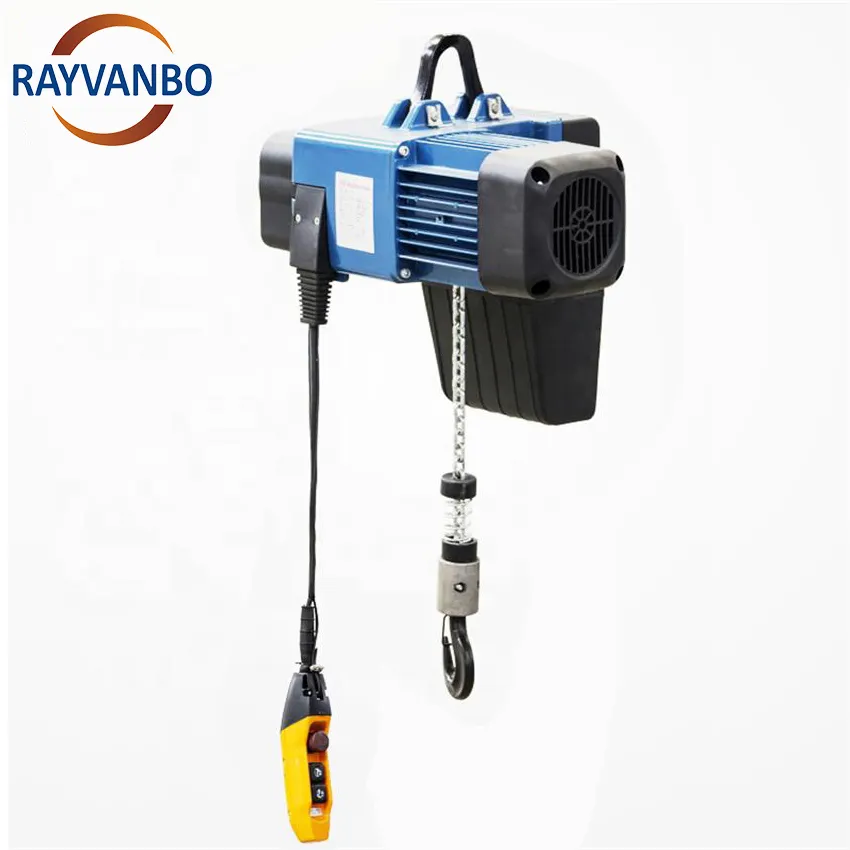
Understanding the Root Causes of Overheating in Electric Chain Hoists
Overloading as a primary cause of motor overheating in electric chain hoists
Exceeding rated capacity forces motors to draw 2-3 their normal current, with industry studies showing 58% of motor burnout cases originate from overload conditions (Ponemon 2023). This excessive strain accelerates insulation breakdown in windings, particularly during vertical lifts exceeding 15 feet.
Prolonged operation and duty cycle violations leading to thermal stress
Continuous use beyond manufacturer-specified 50% duty cycles prevents proper heat dissipation. Motors operating for 45+ minutes without rest intervals show winding temperatures 34°F above safe thresholds, per OSHA thermal imaging benchmarks.
Friction from worn bearings and inadequate lubrication
Unlubricated bearings increase mechanical resistance by 19%, while pitted races generate localized heat pockets exceeding 280°F. This accelerates grease degradation into abrasive sludge, creating a compounding friction cycle.
Brake clearance issues and mechanical drag contributing to heat buildup
Misadjusted brakes requiring 8-12 lbs of override force create parasitic loads equivalent to 18% of rated capacity. This hidden energy loss elevates motor temperatures by 22–40°F during routine operations.
Electrical faults causing excessive current draw and insulation failure
Phase imbalances exceeding 5% voltage variance trigger uneven current distribution, with 2024 industrial equipment analyses showing 40% of electrical faults involve degraded insulation. Carbon tracking from arcing further reduces dielectric strength, allowing current leakage that bypasses thermal safeguards.
Managing Load and Operational Limits to Prevent Motor Burnout
How Exceeding Rated Capacity Leads to Electric Chain Hoist Motor Failure
When electric chain hoists are pushed beyond what the manufacturer recommends for weight capacity, they start wearing out much faster than normal. Going just 10% over the limit causes the motor to pull about 15 to 20% more electricity, creating heat that starts breaking down the insulation inside the motor after only half an hour straight of running. What happens next is pretty bad too. The heat from this extra workload basically melts away the protective layers around the wires. Once those insulators give way, short circuits develop between the windings. These shorts then cause even more electrical demand on the system, setting off a dangerous cycle that eventually results in complete motor failure if not caught early enough.
Duty Cycle Compliance and Operational Pauses to Manage Heat Accumulation
Strict adherence to duty cycle specifications prevents cumulative thermal damage. Motors operating at 85% capacity in 40°C environments age 2.3x faster than those following rest intervals (ISO 60034-25:2024). Implement programmed cooling breaks every 60 minutes of runtime, with duration calibrated to ambient temperature using this formula:
| Ambient Temperature | Rest Period Ratio |
|---|---|
| ≤30°C | 10 mins per hour |
| 31–40°C | 20 mins per hour |
| ≥41°C | 30 mins per hour |
Integrated Load Sensors and Safety Cut-Offs for Real-Time Protection
Today's hoisting systems often feature strain gauge load cells connected to PLC controllers, which trigger automatic shutdowns once they reach around 95% of maximum capacity. Steel plants have seen real benefits from this kind of early warning system. One facility reported cutting down on overheating problems by almost three quarters after implementing these safeguards last year. There's also backup protection built in through infrared temperature sensors. These will shut things down if motor temperatures climb past 90 degrees Celsius, which can happen when bearings start seizing up or the cooling system fails for some reason. This dual layer of protection makes all the difference in preventing equipment damage during those unexpected operational hiccups.
Effective Maintenance Practices to Reduce Overheating Risks
Routine Inspection of Motors, Gears, and Moving Components
Regular checks every two weeks help cut down on overheating problems because they catch issues like damaged gear teeth, rusted motor windings, and out-of-line chains before they get bad. Maintenance staff need to pay special attention to brush condition in those old DC motors and also look at how much play there is in the gearboxes. If the gears are off by more than 0.3 millimeters, this can actually raise friction heat levels by around 18%, according to some recent findings from Ponemon. Looking at data from last year's research on farm equipment upkeep, it turns out that just doing regular visual checks along with quick infrared temperature tests manages to stop about six out of ten thermal breakdowns altogether.
Proper Lubrication Protocols to Minimize Friction in Electric Chain Hoists
High-temperature lithium-complex grease applied quarterly reduces bearing friction by 40% compared to conventional oils. For chain lubrication, automated oilers maintaining 20–30 micron film thickness prevent metal-on-metal contact during heavy lifts. Overgreasing remains a critical concern—excess lubricant attracts debris, increasing operational resistance by 27% (ASME B30.21-2022).
Brake System Adjustment to Prevent Drag-Related Temperature Rise
Improper brake clearance under 0.8 mm causes continuous drag, elevating motor temperatures by 22°C within 30 minutes of operation. Monthly adjustment of spring tension and armature gap keeps disengagement times below 0.5 seconds. Thermal imaging reveals that correctly adjusted brakes reduce rotor heat signatures by 34% during repetitive lifting cycles.
Scheduled vs. Condition-Based Maintenance: Best Practices Compared
| Approach | Inspection Frequency | Overheating Prevention Efficacy |
|---|---|---|
| Scheduled | Fixed intervals | 58% |
| Condition-Based | Real-time monitoring | 89% |
Data from 240 industrial sites shows condition-based systems leveraging vibration analysis and thermal sensors prevent 89% of heat-related failures versus 58% for calendar-based programs (Reliability Solutions Report 2024).
Cooling Design and Ventilation Features in Heavy-Duty Hoist Models
Today's IP54 rated hoists come equipped with cross flow fans that move around 220 cubic feet per minute across those motor windings, which helps cut down on peak operating temperatures by roughly 41 degrees Celsius when running continuously. The newer models also have these ventilated brake discs with special radial cooling channels built right into them. These designs actually manage to get rid of heat about 33 percent quicker compared to older solid disc versions. For the upgraded equipment, manufacturers started incorporating phase change materials inside the motor housing areas. These materials can soak up approximately 380 kilojoules per cubic meter worth of thermal energy whenever there are overload situations happening. This kind of engineering makes a real difference in how well these machines perform under stress.
Advanced Electrical Protection and Future-Ready Solutions for Electric Chain Hoists
Thermal Overload Relays and Smart Circuit Protection Systems
Electric chain hoists today come equipped with thermal overload relays that cut off power automatically whenever motor temperatures go beyond what's considered safe. According to industry data from Ponemon in 2023, these safety features can slash the risk of motor burnouts by around two thirds in factories and warehouses. The newer versions on the market now include smart circuit breakers too, which keep track of current levels as they happen. This kind of real time monitoring works hand in hand with protective measures seen in recent microgrid studies. Basically, it helps stop insulation damage caused by those pesky electrical problems before they become major issues down the line.
Voltage Stability and Phase Balance in Industrial Power Supplies
Voltage fluctuations exceeding ±10% of rated levels can increase motor temperatures by 15–20°C. Phase imbalance detectors and automatic voltage regulators now standard in heavy-duty hoists mitigate this risk, ensuring consistent performance under variable grid conditions.
IoT-Enabled Predictive Maintenance and Remote Monitoring Trends
Wireless temperature sensors and cloud analytics platforms enable predictive maintenance, reducing unplanned downtime by 41% according to 2023 operational data. These systems align with emerging electrical safety trends by providing actionable insights into bearing wear, lubrication efficacy, and brake alignment.
Innovations in Motor Efficiency and Heat-Resistant Materials
High-efficiency IE4-class motors with graphene-enhanced windings reduce heat generation by 30% compared to traditional designs. Ceramic-coated bearings and thermally stable polymer gears further enhance durability in continuous-duty applications, extending service intervals by 2–3 in harsh environments.
Frequently Asked Questions (FAQ)
Why do electric chain hoists overheat?
Electric chain hoists can overheat due to several reasons including overloading, prolonged operation beyond duty cycles, friction from worn bearings, brake clearance issues, and electrical faults causing excessive current draw.
How can motor burnout be prevented in electric chain hoists?
Motor burnout can be prevented by managing load and operational limits, adhering to duty cycle specifications, using integrated load sensors and safety cut-offs, and maintaining regular inspection and proper lubrication protocols.
What are the signs of overheating in electric chain hoists?
Signs of overheating include unusual motor noise, visible signs of insulation breakdown, increased operational resistance, and frequent electrical faults.
How often should electric chain hoists be inspected?
Electric chain hoists should be inspected regularly, ideally every two weeks, to catch and address any issues early on before they lead to overheating and other problems.
What advancements are there in preventing overheating in electric chain hoists?
Advancements include the use of thermal overload relays, smart circuit protection systems, voltage regulators, IoT-enabled predictive maintenance, and innovations in motor efficiency and heat-resistant materials.
Table of Contents
-
Understanding the Root Causes of Overheating in Electric Chain Hoists
- Overloading as a primary cause of motor overheating in electric chain hoists
- Prolonged operation and duty cycle violations leading to thermal stress
- Friction from worn bearings and inadequate lubrication
- Brake clearance issues and mechanical drag contributing to heat buildup
- Electrical faults causing excessive current draw and insulation failure
- Managing Load and Operational Limits to Prevent Motor Burnout
-
Effective Maintenance Practices to Reduce Overheating Risks
- Routine Inspection of Motors, Gears, and Moving Components
- Proper Lubrication Protocols to Minimize Friction in Electric Chain Hoists
- Brake System Adjustment to Prevent Drag-Related Temperature Rise
- Scheduled vs. Condition-Based Maintenance: Best Practices Compared
- Cooling Design and Ventilation Features in Heavy-Duty Hoist Models
- Advanced Electrical Protection and Future-Ready Solutions for Electric Chain Hoists
- Frequently Asked Questions (FAQ)