ในสภาพแวดล้อมอุตสาหกรรมปัจจุบัน การดำเนินการยกของต้องการไม่เพียงแต่ประสิทธิภาพเท่านั้น แต่ยังต้องการระดับความปลอดภัยสูงอีกด้วย รอกสมัยใหม่ไม่ใช่อุปกรณ์ยกของพื้นฐานอีกต่อไป — แต่เป็นระบบที่ผ่านการออกแบบวิศวกรรมอย่างรอบคอบ ซึ่งติดตั้งกลไกความปลอดภัยขั้นสูงที่ออกแบบมาเพื่อป้องกันอุบัติเหตุ ปกป้องอุปกรณ์ และรับประกันการปฏิบัติงานอย่างราบรื่น
เมื่ออุตสาหกรรมต่าง ๆ เช่น การผลิต โลจิสติกส์ การก่อสร้าง และวิศวกรรมหนักยังคงพัฒนาต่อเนื่อง ความเสี่ยงที่เกี่ยวข้องกับการยกของหนักก็เพิ่มขึ้นเช่นกัน ความเสี่ยงเหล่านี้รวมถึงความไม่มั่นคงของโหลด ความล้มเหลวของระบบกลไก และข้อผิดพลาดจากมนุษย์ เพื่อรับมือกับความท้าทายเหล่านี้ รอกสมัยใหม่จึงผสานระบบการป้องกันหลายชั้นเข้าด้วยกัน โดยผสมผสานการออกแบบเชิงกลไก การควบคุมด้วยอิเล็กทรอนิกส์ และการตรวจสอบอย่างชาญฉลาด
สำหรับผู้ซื้อและวิศวกร การเข้าใจกลไกความปลอดภัยเหล่านี้เป็นสิ่งจำเป็น เพราะจะช่วยในการเลือกอุปกรณ์ที่เหมาะสม รับรองความสอดคล้องตามมาตรฐานสากล และยกระดับประสิทธิภาพโดยรวมของการปฏิบัติงาน
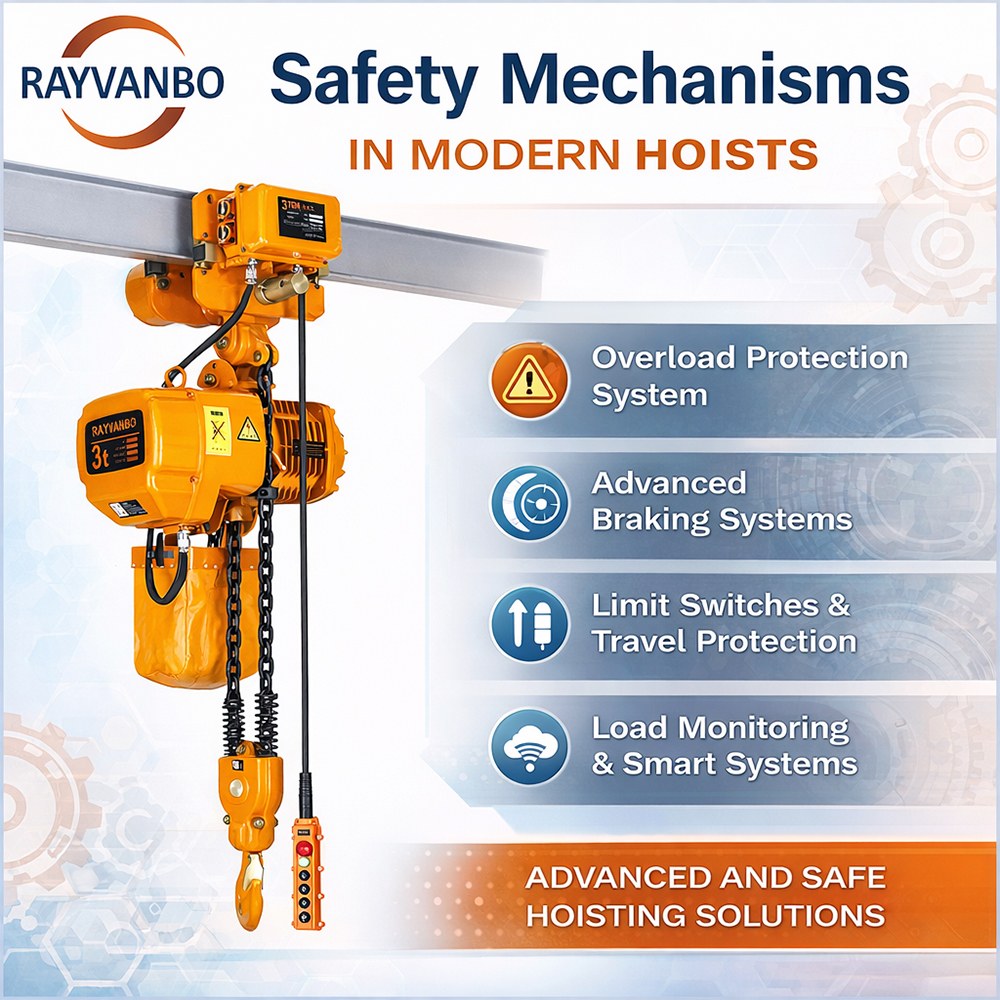
อุปกรณ์ยกของทำงานภายใต้สภาวะที่มีความต้องการสูง หากไม่มีระบบความปลอดภัยที่เหมาะสม แม้แต่ปัญหาเล็กน้อยก็อาจลุกลามกลายเป็นอุบัติเหตุร้ายแรงได้
กลไกความปลอดภัยมีบทบาทสำคัญในด้านต่อไปนี้:
นอกจากนี้ ระบบความปลอดภัยสมัยใหม่ยังช่วยลดต้นทุนการดำเนินงานในระยะยาว โดยการลดการสึกหรอ ระยะเวลาหยุดทำงาน และความจำเป็นในการบำรุงรักษา สำหรับธุรกิจ การลงทุนด้านความปลอดภัยไม่ใช่เพียงแค่การปฏิบัติตามข้อกำหนดเท่านั้น แต่ยังส่งผลโดยตรงต่อประสิทธิภาพการผลิตและผลกำไร
เครนยกสมัยใหม่รวมเอาคุณสมบัติด้านความปลอดภัยทั้งแบบกลไกและแบบอิเล็กทรอนิกส์ไว้ด้วยกัน ด้านล่างนี้คือคุณสมบัติที่สำคัญที่สุด
การโหลดเกินเป็นหนึ่งในสาเหตุที่พบบ่อยที่สุดของการล้มเหลวของเครนยก เครนยกสมัยใหม่จึงติดตั้งอุปกรณ์ป้องกันแรงโหลดเกินซึ่งตรวจสอบน้ำหนักบรรทุกอย่างต่อเนื่อง
เมื่อน้ำหนักบรรทุกเกินความสามารถในการรับน้ำหนักสูงสุดที่ระบุ ระบบจะหยุดการยกโดยอัตโนมัติ ซึ่งช่วยป้องกันความเสียหายต่อโครงสร้างและลดความเสี่ยงจากอุบัติเหตุ
ในระบบที่ทันสมัย ระบบป้องกันการโหลดเกินจะผสานเข้ากับเซ็นเซอร์ดิจิทัล เพื่อให้ข้อมูลย้อนกลับแบบเรียลไทม์และส่งสัญญาณเตือนไปยังผู้ปฏิบัติงาน
ระบบเบรกมีความสำคัญอย่างยิ่งต่อการยึดของที่ยกไว้อย่างมั่นคง โฮสต์สมัยใหม่มักใช้ระบบเบรกแบบคู่ ซึ่งรวมเอาเบรกแม่เหล็กไฟฟ้าเข้าด้วยกับเบรกเชิงกล
การออกแบบแบบสองชั้นนี้ทำให้มั่นใจได้ว่า:
ระบบเบรกคุณภาพสูงยังช่วยปรับปรุงความแม่นยำในการจัดตำแหน่ง ซึ่งมีความสำคัญต่อภารกิจการยกที่ต้องการความแม่นยำสูง
สวิตช์จำกัดการเคลื่อนที่กำหนดขอบเขตการทำงานที่ปลอดภัยของเครนยก ซึ่งจะหยุดการเคลื่อนที่โดยอัตโนมัติเมื่อตะขอถึงจุดสูงสุดหรือต่ำสุด
สิ่งนี้ช่วยป้องกัน:
เครนยกสมัยใหม่มักติดตั้งสวิตช์จำกัดการเคลื่อนที่หลายตัวเพื่อเพิ่มความปลอดภัย
เทคโนโลยี VFD ถือเป็นหนึ่งในความก้าวหน้าที่สำคัญที่สุดด้านความปลอดภัยของเครนยก โดยช่วยควบคุมความเร็วของมอเตอร์อย่างราบรื่นผ่านการปรับความถี่และแรงดันไฟฟ้า
ต่างจากระบบทั่วไป เครนยกที่ควบคุมด้วย VFD:
ด้วยการลดการเคลื่อนไหวอย่างฉับพลันให้น้อยที่สุด ระบบควบคุมความเร็วแบบแปรผัน (VFD) ช่วยเพิ่มความปลอดภัยและประสิทธิภาพในการปฏิบัติงานได้อย่างมาก
การใช้งานอย่างต่อเนื่องหรือการรับน้ำหนักมากเกินไปอาจทำให้มอเตอร์ร้อนจัดเกินขีดจำกัด ระบบป้องกันความร้อนจะตรวจสอบอุณหภูมิอย่างต่อเนื่อง และตัดการทำงานของเครนโดยอัตโนมัติเมื่ออุณหภูมิเกินค่าที่กำหนด
สิ่งนี้ช่วยป้องกัน:
บางระบบที่มีการติดตั้งระบบป้องกันกระแสไฟฟ้าและระบบป้องกันเฟสเพิ่มเติม เพื่อปกป้องชิ้นส่วนทางไฟฟ้า
เครนสมัยใหม่มีการติดตั้งระบบตรวจสอบอัจฉริยะมากขึ้นเรื่อย ๆ ซึ่งสามารถให้ข้อมูลแบบเรียลไทม์
ระบบนี้สามารถ:
ด้วยการผสานรวมเทคโนโลยีอินเทอร์เน็ตของสรรพสิ่ง (IoT) และระบบอัตโนมัติ รอกแบบขั้นสูงบางรุ่นยังสามารถรองรับการตรวจสอบระยะไกลและการบำรุงรักษาเชิงพยากรณ์ได้อีกด้วย
คุณลักษณะ |
รอกสมัยใหม่ |
รอกแบบดั้งเดิม |
การป้องกันการโอเวอร์โหลด |
อัตโนมัติและดิจิทัล |
พื้นฐาน / แบบใช้มือ |
ระบบเบรก |
แบบคู่ / แบบป้องกันความล้มเหลว |
คนเดียว |
ระบบควบคุมความเร็ว |
VFD / แบบเรียบ |
ปรับ |
การตรวจสอบ |
ข้อมูลแบบเรียลไทม์ |
จำกัด |
ระดับความปลอดภัย |
สูง |
ปานกลาง |
หากไม่มีระบบความปลอดภัยที่เหมาะสม การดำเนินการยกอาจเผชิญกับความเสี่ยงร้ายแรง
ประกอบด้วย:
ความเสี่ยงดังกล่าวไม่เพียงแต่เป็นอันตรายต่อความปลอดภัยของผู้ปฏิบัติงานเท่านั้น แต่ยังส่งผลให้เกิดความสูญเสียทางการเงินและทำให้การดำเนินงานล่าช้าด้วย
การเลือกเครนที่เหมาะสมจำเป็นต้องประเมินคุณสมบัติด้านความปลอดภัยอย่างรอบคอบ
ข้อสําคัญประกอบด้วย:
เคล็ดลับการเลือกใช้งานจริง:
ผู้ซื้อควรพิจารณาความสามารถในการขยายระบบในอนาคตและข้อกำหนดด้านการบำรุงรักษาด้วย
อนาคตของความปลอดภัยเครนยกกำลังก้าวเข้าสู่ระบบอัตโนมัติและระบบอัจฉริยะ
แนวโน้มใหม่ที่กำลังเกิดขึ้น ได้แก่
นวัตกรรมเหล่านี้จะยกระดับความปลอดภัย ลดข้อผิดพลาดของมนุษย์ และเพิ่มประสิทธิภาพให้สูงยิ่งขึ้น
คุณสมบัติด้านความปลอดภัยที่สำคัญที่สุดในเครนยกคืออะไร
ระบบป้องกันการโหลดเกินเป็นสิ่งจำเป็น เนื่องจากช่วยป้องกันการเสียหายของโครงสร้างและอุบัติเหตุ
เครนยกสมัยใหม่ช่วยลดต้นทุนการบำรุงรักษาหรือไม่
ใช่ ระบบความปลอดภัยขั้นสูงช่วยลดการสึกหรอและป้องกันความล้มเหลวที่ไม่คาดคิด
การใช้ VFD เป็นสิ่งจำเป็นสำหรับความปลอดภัยหรือไม่
ไม่จำเป็นโดยบังคับ แต่ช่วยปรับปรุงการควบคุมและลดความเสี่ยงได้อย่างมาก
ควรตรวจสอบระบบความปลอดภัยบ่อยแค่ไหน
การตรวจสอบเป็นประจำควรสอดคล้องกับมาตรฐานอุตสาหกรรม โดยทั่วไปจะดำเนินการตามกำหนดเวลาที่วางไว้
เครนสมัยใหม่ได้รับการออกแบบให้มีระบบความปลอดภัยหลายชั้นที่ทำงานร่วมกันเพื่อให้มั่นใจในการยกของอย่างเชื่อถือได้และปลอดภัย ตั้งแต่ระบบป้องกันการรับน้ำหนักเกิน ไปจนถึงระบบตรวจสอบอัจฉริยะ คุณลักษณะเหล่านี้ช่วยลดความเสี่ยงอย่างมีนัยสำคัญและยกระดับประสิทธิภาพการทำงาน
สำหรับธุรกิจ การลงทุนในเครนที่มีระบบความปลอดภัยขั้นสูงไม่เพียงแต่เป็นข้อกำหนดตามกฎหมายเท่านั้น แต่ยังเป็นการตัดสินใจเชิงกลยุทธ์ที่ช่วยเพิ่มผลผลิต ลดต้นทุน และคุ้มครองพนักงานอีกด้วย
กำลังมองหาโซลูชันการยกของขั้นสูงและปลอดภัยใช่หรือไม่?
เราสามารถช่วยคุณได้ดังนี้:
ติดต่อเราในวันนี้เพื่อรับคำปรึกษาจากผู้เชี่ยวชาญและการเสนอราคา
 ข่าวร้อนแรง
2026-09-21
2026-09-02
2026-08-19
2026-07-15
2026-07-09
2026-07-01
 EN
EN