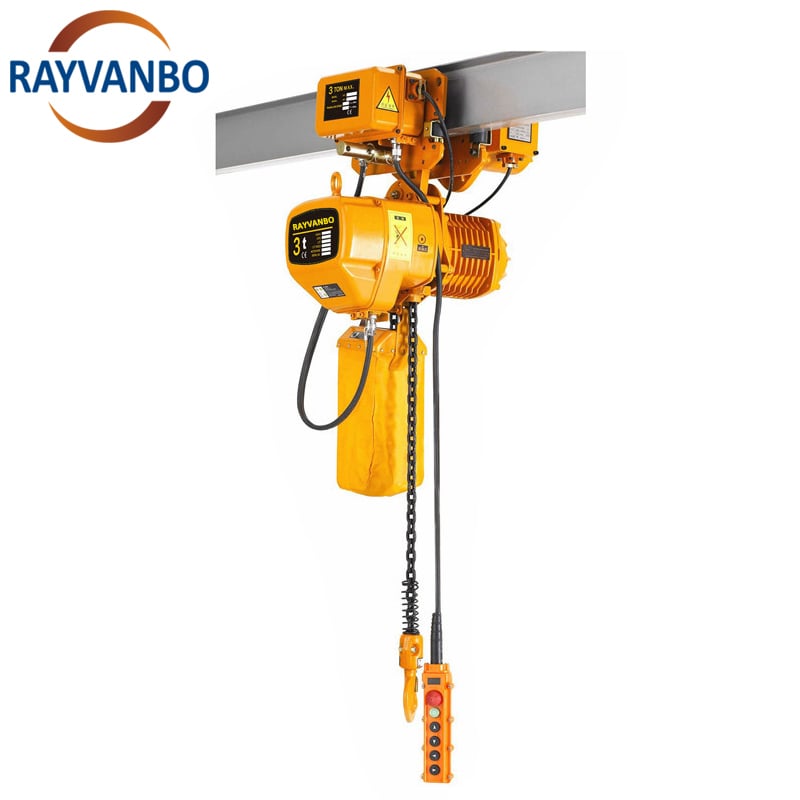
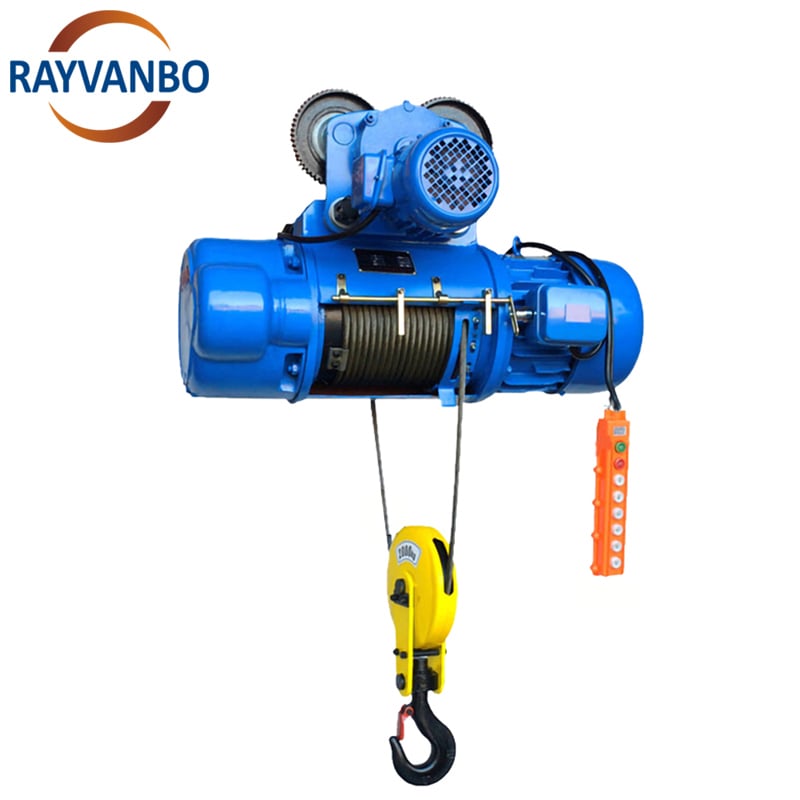
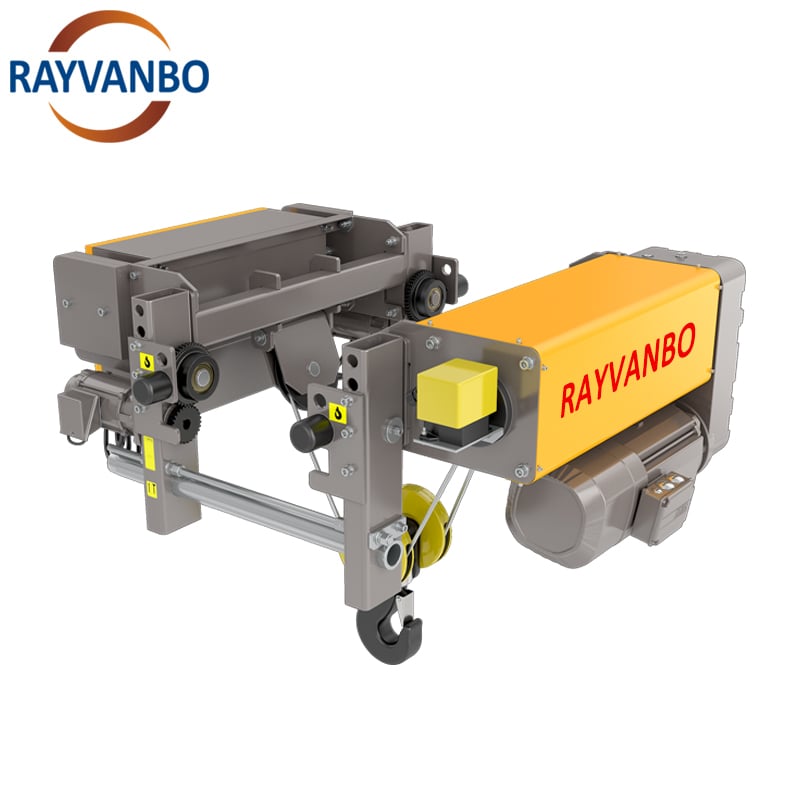
I dagens industrielle miljøer kræver løfteoperationer ikke kun effektivitet, men også et højt sikkerhedsniveau. Moderne løfter er ikke længere simple løfteudstyr – de er teknisk avancerede systemer udstyret med avancerede sikkerhedsforanstaltninger, der er designet til at forhindre ulykker, beskytte udstyret og sikre en problemfri drift.
Når brancher som fremstilling, logistik, byggeri og tung teknik fortsætter med at udvikle sig, er risiciene forbundet med løft af tunge laster også steget. Disse risici omfatter lastustabilitet, mekanisk svigt og menneskelige fejl. For at imødegå disse udfordringer integrerer moderne løfter flere beskyttelseslag, der kombinerer mekanisk konstruktion, elektronisk styring og intelligent overvågning.
For købere og ingeniører er det afgørende at forstå disse sikkerhedsforanstaltninger. Det hjælper med at vælge det rigtige udstyr, sikre overholdelse af internationale standarder og forbedre den samlede driftseffektivitet.
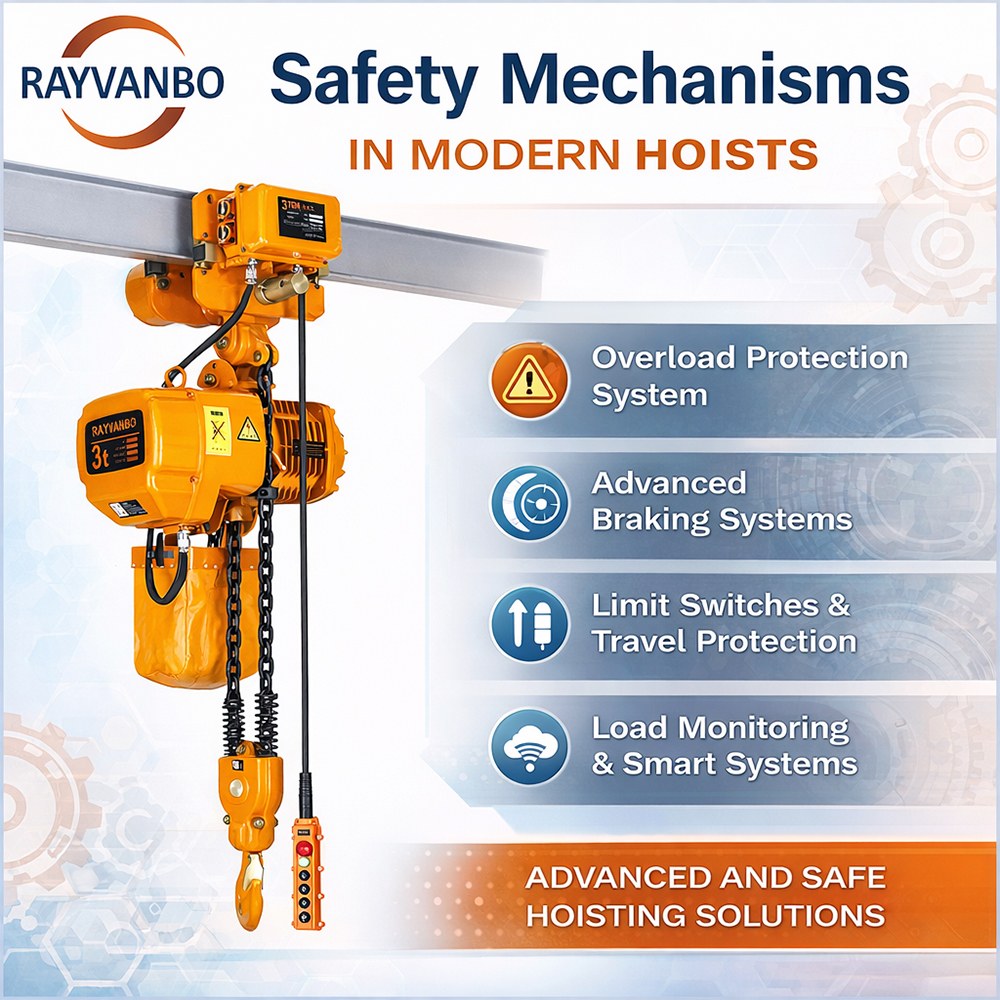
Løfteudstyr opererer under krævende forhold. Uden korrekte sikkerhedssystemer kan selv en mindre fejl eskalere til en alvorlig ulykke.
Sikkerhedsforanstaltninger spiller en afgørende rolle for:
Desuden hjælper moderne sikkerhedssystemer med at reducere de langsigtede driftsomkostninger ved at minimere slid, udfaldstid og vedligeholdelsesbehov. For virksomheder er investering i sikkerhed ikke kun et spørgsmål om overholdelse af regler—det påvirker direkte produktiviteten og rentabiliteten.
Moderne løftere indeholder en kombination af mekaniske og elektroniske sikkerhedsfunktioner. Nedenfor er de vigtigste.
Overbelastning er en af de hyppigste årsager til fejl i løftere. Moderne løftere er udstyret med overbelastningsbeskyttelsesenheder, der konstant overvåger belastningen.
Når belastningen overstiger den nominelle kapacitet, stopper systemet automatisk løfteoperationer. Dette forhindrer strukturel skade og reducerer risikoen for ulykker.
I avancerede systemer er overbelastningsbeskyttelse integreret med digitale sensorer, hvilket giver operatører realtidsfeedback og advarsler.
Bremseanlæg er afgørende for at holde laste sikkert fast. Moderne taljer bruger typisk dobbelte bremseanlæg, der kombinerer elektromagnetiske bremser med mekaniske bremser.
Denne tolagrede konstruktion sikrer:
Højtkvalificerede bremseanlæg forbedrer også positioneringens nøjagtighed, hvilket er vigtigt ved præcisionsløfteopgaver.
Grænsekontakter definerer den sikre arbejdsområde for løfteanlægget. De stopper automatisk bevægelsen, når krogen når øvre eller nedre grænser.
Dette forhindrer:
Moderne løfteanlæg indeholder ofte flere grænsekontakter for øget sikkerhed.
Frekvensomformerteknologi er en af de vigtigste fremskridt inden for løfteanlægssikkerhed. Den muliggør glat regulering af motorens hastighed ved justering af frekvens og spænding.
I modsætning til traditionelle systemer gør VFD-styrede løfteanlæg følgende:
Ved at minimere pludselige bevægelser forbedrer frekvensomformere betydeligt både sikkerheden og den operative effektivitet.
Kontinuerlig drift eller tunge laster kan få motorer til at overophede. Systemer til termisk beskyttelse overvåger temperaturen og slukker automatisk for løfteanlægget, når grænseværdierne overskrides.
Dette forhindrer:
Nogle systemer inkluderer også strømbeskyttelse og fasebeskyttelse for at beskytte elektriske komponenter.
Moderne løfteanlæg udstyres i stigende grad med intelligente overvågningssystemer, der leverer data i realtid.
Disse systemer kan:
Med integration af IoT og automatisering giver nogle avancerede hejsemaskiner endda mulighed for fjernovervågning og forudsigende vedligeholdelse.
Funktion |
Moderne hejsemaskiner |
Traditionelle hejsemaskiner |
Overbelastningsbeskyttelse |
Automatisk og digital |
Basic/manuel |
Bremsesystem |
Dobbelt/fail-safe |
Enkelt |
Hastighedsregulering |
VFD / jævn |
Fast |
Overvågning |
Real-tid data |
Begrænset |
Sikkerhedsniveau |
Høj |
Moderat |
Uden korrekte sikkerhedssystemer kan løfteoperationer stå over for alvorlige risici.
Disse omfatter:
Sådanne risici truer ikke kun arbejdstageres sikkerhed, men medfører også økonomiske tab og driftsforsinkelser.
Valg af den rigtige talje kræver en omhyggelig vurdering af sikkerhedsfunktioner.
Vigtige overvejelser inkluderer:
Praktiske valgtips:
Købere bør også overveje fremtidig udvidelsesevne og vedligeholdelseskrav.
Fremtiden for løfteudstyrs sikkerhed går mod automatisering og intelligens.
Nye tendenser inkluderer:
Disse innovationer vil yderligere forbedre sikkerheden, reducere menneskelige fejl og øge effektiviteten.
1. Hvad er den mest kritiske sikkerhedsfunktion i en hejs?
Overbelastningsbeskyttelse er afgørende, da den forhindrer strukturel svigt og ulykker.
2. Reducerer moderne hejse vedligeholdelsesomkostninger?
Ja, avancerede sikkerhedssystemer minimerer slitage og forhindrer uventede svigt.
3. Er VFD nødvendig for sikkerheden?
Det er ikke obligatorisk, men det forbedrer betydeligt styringen og reducerer risici.
4. Hvor ofte skal sikkerhedssystemer inspiceres?
Regelmæssige inspektioner skal følge branchestandarder, typisk på en planlagt basis.
Moderne hejs er designet med flere sikkerhedsforanstaltninger, der virker sammen for at sikre pålidelige og sikre løfteoperationer. Fra overlastbeskyttelse til intelligente overvågningssystemer reducerer disse funktioner betydeligt risiciene og forbedrer ydeevnen.
For virksomheder er investering i hejs med avancerede sikkerhedssystemer ikke kun en reguleringsmæssig krav, men også en strategisk beslutning, der forbedrer produktiviteten, reducerer omkostningerne og beskytter medarbejderne.
Søger du avancerede og sikre hejseløsninger?
Vi kan hjælpe dig med:
Kontakt os i dag for ekspertvejledning og tilbud.
 Seneste nyheder
2026-09-21
2026-09-02
2026-08-19
2026-07-15
2026-07-09
2026-07-01
 EN
EN