 EN
EN


Core Types of Overhead Cranes and Their Structural Trade-offs
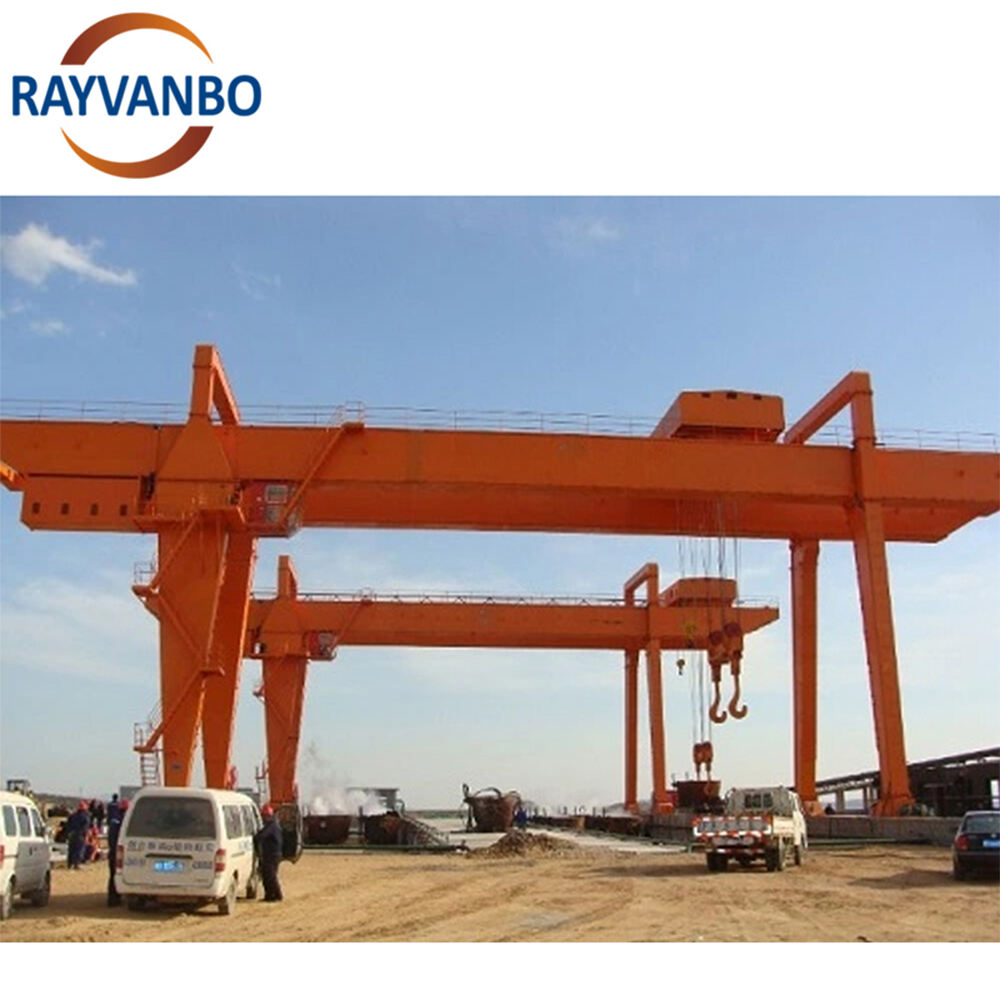
Single vs. Double Girder Bridge Cranes: Load Capacity, Span, and Duty Cycle Implications
Single girder overhead cranes typically handle loads between 1 and 20 tons, offering good value for money and taking up less vertical space. These are great choices for lighter manufacturing work and jobs that don't happen all day long, especially when operations fall within CMAA Class C requirements. The simpler construction means they're easier to install overall and require less upfront spending compared to other options. On the flip side, double girder systems can manage much heavier weights, sometimes going up to 500 tons. They provide better structural strength and cover larger distances across factory floors. Steel mills and foundries often rely on these heavier duty models since their processes demand the higher performance levels of CMAA Class D or E. Although the two beam design gives improved stability and allows for higher lifting points, there's a tradeoff here too. These systems weigh more and need stronger building supports to function properly. When choosing between crane types, facility managers should really think about what their daily operations actually need. Putting a big expensive double girder system in place just for occasional use is basically throwing money away. But trying to force a single girder crane beyond its limits will eventually lead to problems like bending issues and components wearing out way before they should.
Top-Running vs. Under-Running Systems: Clearance, Support Structure, and Facility Integration
When installed on top of runway beams, top running cranes give maximum hook height which matters a lot in those tall warehouse spaces and foundry operations where there's plenty of headroom available. The downside? These setups put about 15 to 30 percent more weight onto the building columns, so structural reinforcements become necessary. Underhung cranes work differently since they hang from existing roof trusses or ceiling structures instead. This setup actually creates around 24 extra inches of space beneath the crane itself, making them great choices for retrofitting older facilities with limited headroom such as auto manufacturing plants. Most underhung systems can handle up to 20 tons though, which makes sense given how they spread the load more evenly throughout the building structure and let workers adjust things quicker when needed. Many industrial facilities still go with top running models for extreme heat situations or really heavy lifting jobs because these cranes just hold up better over time despite the temperature changes and heavier workloads.
Key Industrial Applications of Overhead Cranes by Sector
Automotive and Heavy Manufacturing: High-Precision Material Handling and Line Synchronization
Overhead bridge cranes in automotive assembly can position engine blocks, chassis parts, and powertrain components down to the millimeter level. This kind of precision has been shown to reduce alignment problems by around 34%, according to PwC research from last year, and makes it much easier to sync with those automated conveyor systems we see everywhere now. When it comes to heavy manufacturing, electric overhead traveling or EOT cranes are essential for moving those massive dies, molds, and other tooling used in pressing operations. These machines come equipped with programmable paths and remote controls that help prevent accidents in tight spaces where multiple operations happen at once. Factory managers report that these features can shave off about 18% of the time needed to switch between different tools, which definitely helps companies stick to their lean manufacturing targets while keeping workers safe.
Steel Production, Power Generation, and Logistics Warehousing: Environmental Resilience and Throughput Demands
Steel mills need special overhead cranes with heat shields to move molten metal at around 1600 degrees Celsius. These machines come equipped with backup brakes and specially lined parts to handle those heavy slag pots safely. When it comes to power plants, they use explosion proof cranes specifically designed for installing turbine rotors. Getting those massive components aligned within fractions of a millimeter matters a lot because even small misalignments can cost upwards of seven hundred forty thousand dollars in unexpected shutdowns according to recent industry reports. Logistics centers are turning to modular overhead cranes rated IP65 for reliable operation no matter what weather conditions exist outside. With automated positioning systems and sensors that detect loads, these facilities often manage well over fifty lifts each hour. Throughout all these different applications, manufacturers rely on materials that resist corrosion, electronics protected against dust and moisture, plus strict maintenance schedules to keep operations running smoothly at about 99.3 percent uptime despite challenging environments filled with dust, humidity, or chemical exposure.
Essential Safety Standards for Overhead Cranes: OSHA, ASME B30.2, and CMAA Requirements
Compliance with established safety standards is non-negotiable for overhead crane operations, where failure risks catastrophic workplace incidents. Three primary frameworks govern these critical safeguards.
OSHA 29 CFR 1910.179: Inspection Frequency, Documentation, and Employer Accountability
The OSHA regulation at 29 CFR 1910.179 mandates that qualified workers perform daily pre-shift checks on overhead cranes. Monthly inspections need to happen too, focusing specifically on important parts like hooks, brakes, and hoisting systems. Then there are those annual exams which must be done by outside professionals who have proper certification. Companies are ultimately responsible for all this stuff. They need to keep records of every inspection throughout how long the equipment stays in service. And when problems show up during these checks, fixes need to happen right away without delay. The consequences for not following these rules can get pretty serious financially speaking. Each violation could cost over fifteen thousand dollars according to OSHA guidelines from 2023. This shows just how much weight is placed on maintaining consistent safety practices that leave a paper trail behind them.
ASME B30.2 and CMAA 70/74 Specifications: Design Certification, Operator Qualification, and Preventive Maintenance Protocols
ASME B30.2 and CMAA Specifications 70/74 define the technical foundation for safe crane design, operation, and maintenance. These standards mandate:
- Design Certification: Manufacturers must validate structural integrity via 125% rated load testing prior to commissioning.
- Operator Qualification: Personnel must demonstrate competency in load dynamics, signaling, and emergency response through documented assessments.
- Preventive Maintenance: CMAA 74 prescribes four-year cyclical load testing, scheduled lubrication, and component wear monitoring—with records serving as legal evidence of due diligence during incident reviews.
Proven Safety Features and Risk Mitigation in Overhead Crane Operations
Today's overhead cranes come equipped with multiple layers of safety features designed to cut down on workplace accidents. The load monitoring system acts as a real time watchdog, stopping operations before anything gets overloaded and stresses the structure beyond what it can handle. Factories report that proximity sensors along with collision avoidance tech have slashed crash rates by around two thirds in crowded manufacturing areas where space is tight. Most cranes also have emergency stop buttons strategically placed throughout the facility so anyone nearby can shut things down fast if needed. And let's not forget about those handy wireless remotes that allow workers to control heavy loads from safer spots away from potential drop zones.
Combining these features with proper operator training based on ASME B30.2 standards creates a solid foundation for safety. Regular maintenance is also critical including checking wire ropes every month and validating brakes at least once per year. Together they build what many call a layered safety system that works well in practice. The whole setup meets all necessary regulations while making sense on actual job sites too. After all, when people's lives depend on it, equipment just has to work right and stay intact no matter what.
FAQ
What is the main difference between single and double girder bridge cranes?
Single girder bridge cranes are designed for lighter loads up to 20 tons and are cost-effective, whereas double girder bridge cranes handle heavier loads up to 500 tons and provide better structural support.
What are the advantages of underhung crane systems?
Underhung crane systems provide additional headroom by creating extra space beneath the crane and spread the load more evenly throughout the structure, making them ideal for retrofitting older facilities with limited headroom.
Why are heat shields important for overhead cranes in steel production?
Heat shields protect overhead cranes from the extreme temperatures in steel mills, ensuring safe handling of molten metal and maintaining the structural integrity of the cranes.
How does OSHA 29 CFR 1910.179 influence overhead crane operations?
OSHA 29 CFR 1910.179 mandates regular inspections and maintenance of cranes to ensure safety, with strict documentation requirements and penalties for non-compliance.