Лебедочные двигатели являются сердцем любой операции по подъему грузов, обеспечивая безопасное и эффективное перемещение нагрузок. Однако чрезмерный нагрев может повредить двигатели, сократить их срок службы и даже создать угрозу для безопасности эксплуатации. Раннее выявление признаков перегрева критически важно для предотвращения отказа оборудования и обеспечения безопасности на рабочем месте. В этой статье описаны распространенные признаки перегрева лебедочного двигателя, их причины, а также меры, которые операторы могут предпринять для предотвращения повреждений.
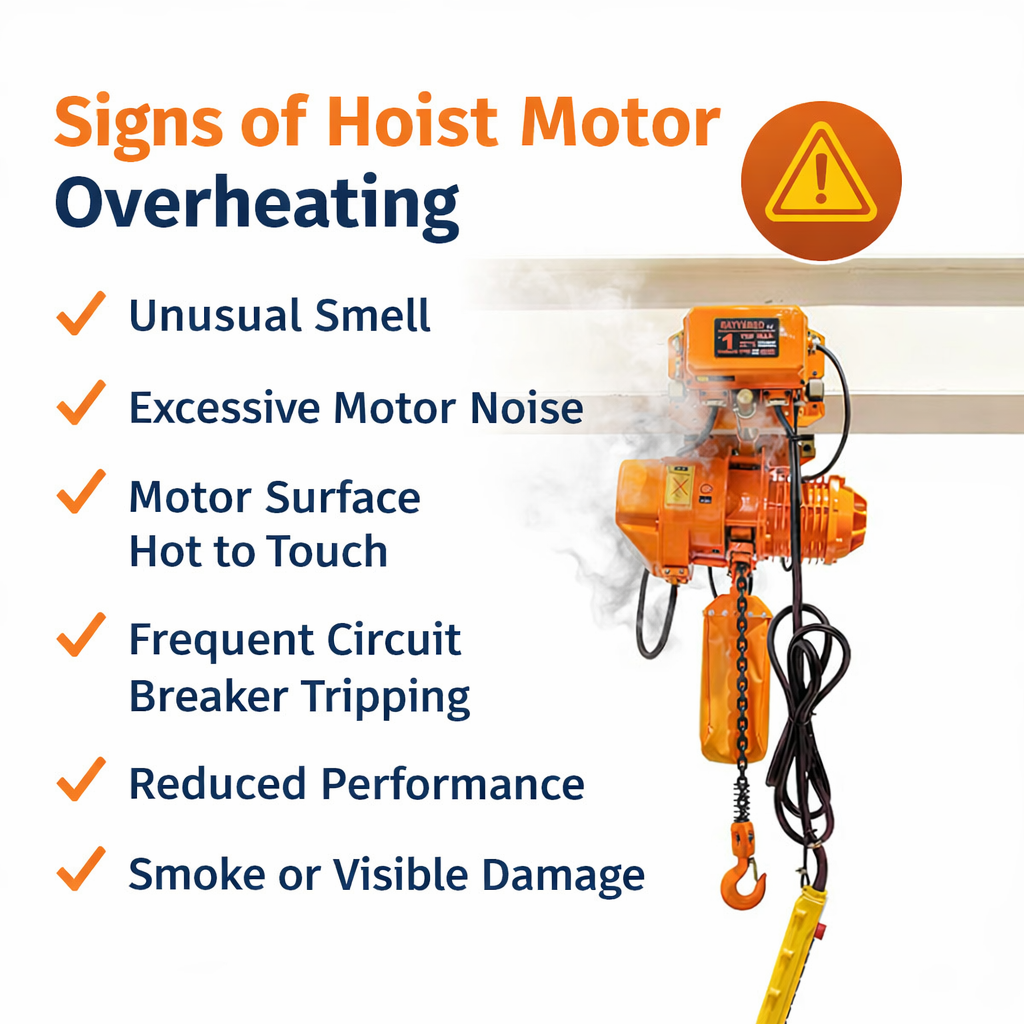
Один из первых признаков перегрева двигателя — запах горения или резкий запах. Он может возникать вследствие разрушения изоляции, повреждения проводки или чрезмерного трения в движущихся частях. Если во время работы вы замечаете необычные запахи, немедленно остановите лебедку и проведите осмотр двигателя.
Перегретые двигатели часто издают необычные звуки, такие как гул, жужжание или скрежет. Повышенное сопротивление, вызванное высокими температурами, может привести к работе подшипников и других внутренних компонентов в напряжённом режиме, что вызывает аномальные звуки.
Если двигатель лебёдки ощущается чрезвычайно горячим на ощупь, это может означать, что он работает за пределами безопасного температурного диапазона. Некоторое потепление является нормальным явлением, однако чрезмерный нагрев указывает на серьёзную проблему и требует немедленного вмешательства.
Перегрев двигателей может вызывать электрические перегрузки, приводящие к многократному срабатыванию автоматических выключателей. Частое отключение — явный признак перегрузки двигателя.
Перегревающийся двигатель может замедляться, терять подъёмную мощность или останавливаться даже при нормальных нагрузках. Тепловое напряжение влияет на обмотки двигателя и снижает его эффективность.
В тяжелых случаях перегрев может привести к выделению дыма, появлению следов обгорания или плавлению компонентов. Необходимо немедленно отключить двигатель, чтобы предотвратить возникновение пожароопасной ситуации и необратимое повреждение двигателя.
Несколько факторов могут привести к перегреву двигателя:
Регулярно проверяйте состояние подшипников, смазку и обмотки двигателя. Удаляйте пыль и посторонние частицы для обеспечения надлежащей вентиляции.
Никогда не превышайте номинальную грузоподъемность лебедки. При наличии используйте системы защиты от перегрузки.
При работе с высокой частотой или в тяжелых условиях обеспечьте двигателю время на охлаждение между подъемами.
Современные лебедки часто оснащаются термодатчиками, которые автоматически отключают двигатель при превышении безопасной рабочей температуры.
Убедитесь, что вся проводка и соединения надежно закреплены и соответствуют техническим требованиям производителя для предотвращения перегрева электрических компонентов.
Контроль температуры двигателя лебедки необходим для обеспечения безопасности, эффективности и долгосрочной эксплуатации. Перегрев может привести к повреждению двигателя, внезапному простою, дорогостоящему ремонту и угрозе безопасности.
Ключевые причины включают:
Превышение температуры, указанной производителем (обычно 120 °C для класса изоляции F), считается небезопасным.
Да. Продолжительный перегрев может привести к обгоранию обмоток, повреждению подшипников и сокращению срока службы двигателя.
Обратите внимание на такие признаки, как посторонний запах, необычные шумы, частые срабатывания автоматических выключателей, снижение грузоподъёмности или индикаторы предупреждения на современных лебёдках.
Да. Защита от перегрузки останавливает двигатель до того, как термические нагрузки вызовут повреждение.
Для лебёдок, используемых часто, рекомендуются ежедневные визуальные осмотры и ежемесячные технические проверки.
Распознавание признаков перегрева двигателя лебёдки имеет решающее значение для обеспечения безопасности и эффективности подъёмных операций. Посторонние запахи, шумы, чрезмерный нагрев, срабатывание автоматических выключателей и снижение производительности — всё это предупреждающие сигналы, которые ни в коем случае нельзя игнорировать.
Путем внедрения профилактического технического обслуживания, контроля грузоподъемности и использования датчиков температуры операторы могут защитить подъемные электродвигатели, продлить срок их службы и обеспечить безопасность на рабочем месте.
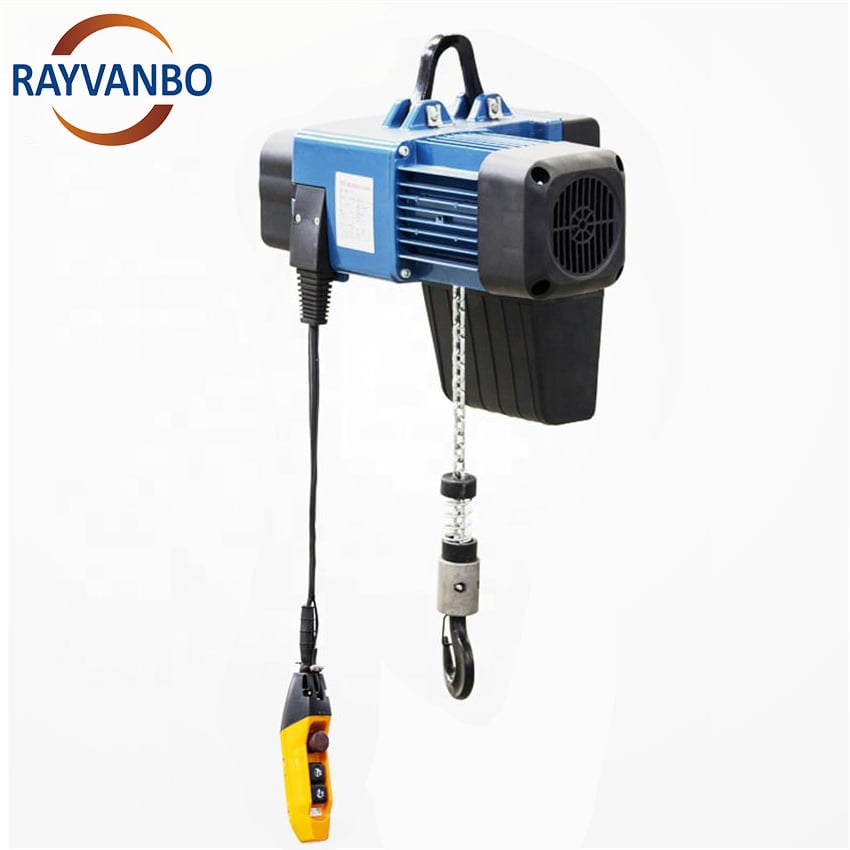
Обеспечьте безопасность и надежность ваших подъемных операций! Ознакомьтесь с нашим ассортиментом высокое качество электрические тали оснащенных термозащитой и системами безопасности от перегрузки. Свяжитесь с нами уже сегодня для получения квалифицированной консультации и индивидуальных промышленных решений в области подъемных устройств.
 Свежие новости
2026-09-21
2026-09-02
2026-08-19
2026-07-15
2026-07-09
2026-07-01
 EN
EN