 EN
EN



Capacitate de ridicare și cerințe privind încărcătura
Clasificări maxime ale încărcăturii și compatibilitate structurală
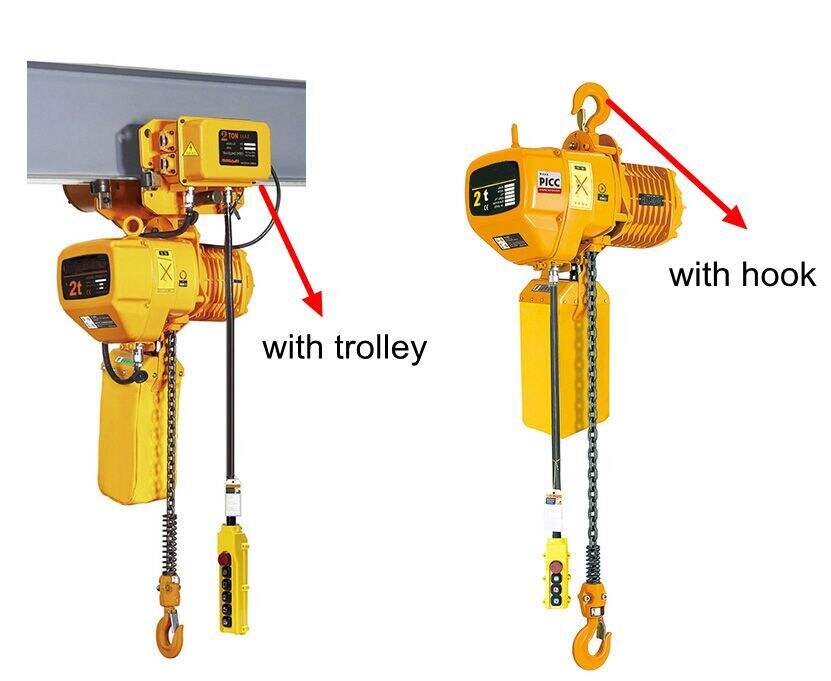
Când evaluăm polibloc electric vs. polibloc cu cablu de oțel opțiuni, începeți cu cerințele privind încărcătura. Poliblocurile cu lanț gestionează în mod tipic capacități până la 5 tone (11.000 lb), fiind ideale pentru ateliere sau montaj ușor. Poliblocurile cu cablu de oțel domină ridicarea industrială grea, cu modele capabile să gestioneze peste 30 de tone. În mod esențial, verificați capacitatea structurii de susținere superioare:
- Macarale manuale cu lanț : Design compact reduce stresul asupra grinzii
-
Cablu de ridicare : Necessită grinzi I refortificate din cauza forțelor mai mari exercitate pe suprafața de sprijin
Subdimensionarea infrastructurii de susținere implică riscul unui eșec catastrofal; 85% dintre accidentele cu macarale implică incompatibilitate structurală (OSHA, 2023).
Rezistență la uzură și performanță pe termen lung sub încărcări repetitive
Pentru operațiunile de înaltă frecvență, modelele de degradare diferă semnificativ:
- Ridicatoare cu Lan Electric : Lanțurile cu role închise rezistă abraziunii în medii prăfoase, dar necesită ungere lunară. Testele de oboseală arată o conservare a capacității de 95% după 10.000 de ridicări.
-
Cablu de ridicare firele de oțel se desfac mai repede sub sarcini unghiulare, dar depășesc lanțurile în medii corozive. Înlocuirile programate la fiecare 3–5 ani previn defectele cauzate de oboseala firelor.
În producția repetitivă, 24/7, sistemele cu lanț au, în medie, o durată de funcționare cu 37 % mai lungă datorită numărului redus de puncte de frecare (Lifting Equipment Journal, 2024).
Restricții de spațiu: înălțimea de ridicare, înălțimea liberă și flexibilitatea instalării
Compararea amprentei de înălțime liberă și a profilului vertical
Spațiul liber vertical — distanța verticală dintre grinda dvs. de susținere și cârligul de ridicare în poziția maximă ridicată — este adesea factorul decisiv în alegerea macaralei. Macaralele electrice cu lanț au un profil vertical mai compact decât cele cu cablu de oțel, necesitând mai puțin spațiu liber vertical datorită designului lor simplificat, fără tambur. Aceasta le face ideale pentru instalații cu tavan scund sau cu spații supraterane aglomerate. În schimb, macaralele cu cablu de oțel necesită spațiu suplimentar pentru rotația tamburului, ceea ce mărește amprenta lor verticală. Atunci când spațiul liber vertical este sub pragurile standard, configurațiile specializate cu spațiu liber redus devin esențiale. Aceste soluții montate lateral plasează macaraua paralel cu grinda de susținere, nu sub aceasta, maximizând înălțimea utilă de ridicare în spații restrânse. Verificați întotdeauna atât cerința minimă de spațiu liber vertical a macaralei, cât și spațiul liber efectiv al instalației dvs. înainte de montare.
Ciclul de funcționare, viteza și precizia comenzii
Viteza de ridicare vs. precizia de poziționare: potrivirea cu nevoile operaționale
Macaralele electrice cu lanț obișnuiesc să atingă viteze de ridicare cu 30–50 % mai mari decât modelele cu cablu de oțel—ideal pentru transferul rapid al materialelor în medii cu flux ridicat, cum ar fi liniile de producție. Totuși, acest avantaj de viteză vine adesea cu o precizie redusă: macaralele cu cablu de oțel mențin acuratețea poziționării în limitele de ±3 mm, comparativ cu ±10 mm pentru sistemele cu lanț, conform benchmark-urilor din 2023 privind echipamentele de ridicare. Compromisul provine din flexibilitatea lanțului și rigiditatea cablului—unde sarcinile care necesită aliniere precisă, cum ar fi instalarea mașinilor, impun controlul superior oferit de cablul de oțel, în timp ce manipularea materialelor în vrac beneficiază de viteza macaralelor cu lanț. Alegeți tipul de macara în funcție de sarcină: prioritați viteza pentru transportul repetitiv, dar precizia pentru plasamente sensibile la milimetru.
Utilizare de înaltă frecvență versus utilizare intermitentă: Fiabilitatea în funcție de tipul de aplicație
Pentru operațiunile care necesită 50 de ridicări/oră, macaralele electrice cu lanț demonstrează o fiabilitate cu 15% mai mare în scenarii de utilizare continuă, datorită sistemelor de ungere etanșe și a numărului redus de puncte de frecare. În schimb, macaralele cu cablu de oțel suportă mai bine sarcinile de șoc și ciclurile de funcționare neregulate, prezentând o durată de viață cu 20% mai lungă în aplicații intermitente, cum ar fi cele din domeniul construcțiilor. Luați în considerare realitățile privind întreținerea: sistemele cu lanț necesită inspecții trimestriale, în timp ce cablurile de oțel necesită monitorizarea tensiunii, dar rezistă la coroziune cu 40% mai mult în medii umede. Alegeți în funcție de tipul de utilizare — producția de înaltă frecvență favorizează durabilitatea lanțurilor, iar proiectele cu intensitate variabilă beneficiază de reziliența cablurilor.
Costul total de proprietate: Macara electrică cu lanț sau macara electrică cu cablu de oțel?
La compararea macaralelor electrice cu lanț și a celor cu cablu de oțel, evaluați aceste componente cheie ale costului:
| Factor de Cost | Cârlig de ridicare electrică | Măștină cu cablu metalic |
|---|---|---|
| Cost Inițial | 5.000 – 10.000 USD | 10.000 – 100.000 USD+ |
| Instalare | Scăzut (instalare simplă) | Mediu (cerințe structurale) |
| Întreținere anuală | Scăzut | Moderat–Ridicat |
| Durata de viață | ~10 ani | 20+ ani |
Macaralele electrice cu lanț oferă costuri inițiale mai mici și o întreținere minimă—ideale pentru operațiuni sensibile la buget, cu sarcini ușoare. Totuși, macaralele cu cablu de oțel justifică investiția lor inițială mai mare prin durata de viață prelungită și capacitatea de ridicare a sarcinilor grele, reducând frecvența înlocuirii în medii solicitante. Luați în considerare intensitatea operațională: ridicarea frecventă a sarcinilor grele favorizează durabilitatea cablului de oțel, chiar dacă necesită o întreținere mai intensă, în timp ce utilizarea intermitentă se potrivește avantajelor economice ale macaralelor cu lanț.
Recomandări Specifice Aplicației
Unde se remarcă macaralele electrice cu lanț față de unde sunt preferate macaralele cu cablu de oțel
Alegerea dumneavoastră depinde de cerințele operaționale. Macaralele electrice cu lanț se remarcă în spații confinate și controlate—cum ar fi liniile de asamblare—unde pornirile și opririle frecvente necesită accelerare lină și poziționare precisă și repetabilă pentru sarcini de până la 5 tone. Designul lor compact minimizează nevoia de înălțime liberă și sprijină o funcționare energetic eficientă și cu întreținere redusă pe termen lung.
Macaralele cu cablu de oțel sunt preferate pentru aplicații cu sarcini grele, cu risc ridicat sau în medii agresive: construcții, șantiere navale, turnătorii și utilizare în aer liber. Ele manipulează în mod fiabil greutăți care depășesc 10 tone, rezistă degradării termice (având puncte de topire mai ridicate decât lanțurile din aliaje) și își păstrează integritatea în prezența deșeurilor, umidității sau a condițiilor extreme de temperatură.
Alegeți tipul de macara în funcție de mediu: lanțuri pentru precizie, economie și eficiență în spații interioare controlate; cabluri de oțel pentru durabilitate, siguranță și capacitate în ridicări solicitante și cu implicații ridicate.
Întrebări frecvente
Care este diferența de capacitate de ridicare între macaralele electrice cu lanț și macaralele cu cablu de oțel?
Macaralele electrice cu lanț sunt potrivite pentru sarcini de până la 5 tone, în timp ce macaralele cu cablu de oțel pot ridica 30+ tone, făcându-le mai potrivite pentru aplicații industriale grele.
Care tip de macara este mai potrivit pentru medii cu spațiu limitat?
Macaralele electrice cu lanț sunt mai compacte și necesită mai puțin spațiu în înălțime, făcându-le ideale pentru spații cu tavan scund sau spații limitate deasupra, comparativ cu profilul vertical mai mare al macaralelor cu cablu de oțel.
Cum diferă modelele de uzură între macaralele cu lanț și cele cu cablu de oțel în operațiunile de înaltă frecvență?
Macaralele cu lanț sunt extrem de rezistente la abraziune și își mențin performanța mai mult timp în medii nisipoase, în timp ce macaralele cu cablu de oțel se remarcă în medii corozive, dar pot prezenta o uzură mai rapidă sub sarcini angulare.
Care este durata de viață tipică a macaralelor electrice cu lanț comparativ cu cea a macaralelor cu cablu de oțel?
Macaralele electrice cu lanț au, în general, o durată de viață de aproximativ 10 ani, în timp ce macaralele cu cablu de oțel pot dura 20+ ani, în funcție de întreținerea efectuată și de intensitatea operațională.
Care tip de macara este mai rentabil din punct de vedere financiar pentru operațiuni cu buget limitat?
Macaralele electrice cu lanț au, în general, costuri inițiale mai mici și necesită un întreținere minimă, fiind astfel mai economice pentru utilizarea ușoară și intermitentă.
Cuprins
- Capacitate de ridicare și cerințe privind încărcătura
- Restricții de spațiu: înălțimea de ridicare, înălțimea liberă și flexibilitatea instalării
- Ciclul de funcționare, viteza și precizia comenzii
- Costul total de proprietate: Macara electrică cu lanț sau macara electrică cu cablu de oțel?
- Recomandări Specifice Aplicației
- Întrebări frecvente