 EN
EN



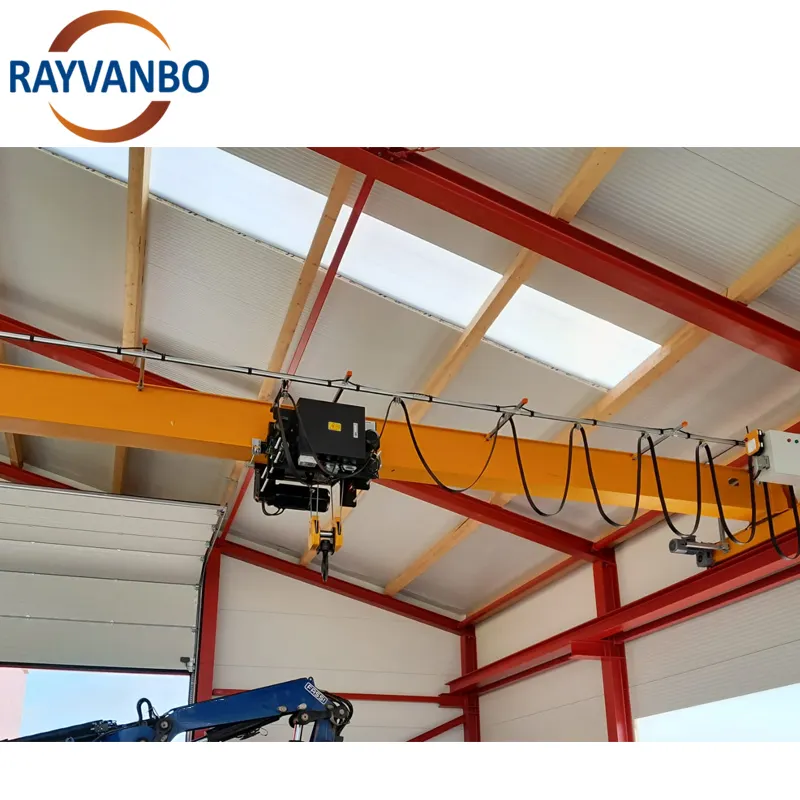
Why Energy Efficiency Matters in Electric Overhead Cranes
Energy efficiency in electric overhead traveling cranes measures how effectively these systems convert electrical input into productive work while minimizing waste. Modern designs achieve this through optimized motor configurations, intelligent power management, and reduced friction in moving components.
Understanding Energy Efficiency in Electric Overhead Traveling Cranes
The amount of energy a crane uses really comes down to how often it lifts loads, how far it moves around, and just how much time it sits doing nothing. Take for instance a typical 10 ton model running about eight hours each day. These machines tend to guzzle roughly 2,300 kilowatt hours over the course of a year when everything runs normally. But newer technology has made quite a difference here. Modern systems can actually reduce that number by somewhere between 18 and 22 percent thanks to features like regenerative braking and those fancy variable frequency drives we hear so much about lately. What do these things do? Well basically they let the motors run at different speeds depending on what the crane needs to accomplish at any given moment instead of always maxing out power.
How Energy-Efficient Electric Overhead Crane Designs Reduce Operational Costs
Energy-optimized cranes lower facility expenses by reducing peak demand charges and extending equipment lifespan. A 2023 analysis of steel plants showed facilities using VFD-equipped cranes saved $28,000 annually in energy costs per unit. Regenerative braking systems further reclaim up to 35% of deceleration energy for reuse, slashing net consumption.
Linking Energy Efficiency and Sustainability in Modern Crane Systems
Industries adopting high-efficiency cranes report 12–15% lower CO emissions per lifting cycle. Over 57% of manufacturers now prioritize ISO 50001-compliant crane systems to meet 2025 sustainability targets. This dual focus on cost and environmental impact positions energy-efficient cranes as critical tools for achieving circular production models.
Core Technologies Driving Energy Savings in Electric Overhead Cranes
Regenerative braking systems: Principle and industrial performance
When cranes slow down, regenerative braking systems actually grab hold of that kinetic energy rather than letting it all turn into wasted heat. What happens next? The system transforms this captured energy into electricity that can be used again later. Industrial tests show around 35% of energy gets saved in operations with lots of stopping and starting. This stored power either goes back into the main electrical system or gets kept in special onboard batteries. Look at places like steel manufacturing facilities or car assembly lines where cranes constantly stop and go throughout their workday. These facilities are seeing real money savings too. According to recent industry reports from Material Handling Institute released last year, companies report saving anywhere between eighteen thousand to forty-two thousand dollars each year on energy bills for every single crane equipped with this technology.
Variable frequency drives (VFDs): Optimizing motor energy use
Variable frequency drives help get rid of those nasty energy spikes that come with traditional direct start motors because they slowly increase the motor speed instead of just kicking on full blast. When these drives adjust their power output according to what the load actually needs, they save quite a bit of wasted energy too – somewhere around 22 to maybe even 40 percent during lifting and moving operations. Looking at real world data from a recent 2023 report covering 57 different manufacturing facilities, we see that cranes fitted with VFDs experienced about 31% less motor heating. That means parts last significantly longer too, roughly between 18 and 24 extra months when compared with older fixed speed systems. Pretty impressive considering how much downtime costs companies these days.
Comparative benefits: Regenerative braking vs. VFDs in real-world applications
- Energy recovery: Regenerative systems excel in applications with constant acceleration/deceleration (e.g., bulk material handling)
- Precision control: VFDs outperform in scenarios requiring millimeter-level positioning (e.g., aerospace assembly)
- Hybrid setups: Combining both technologies delivers 12–15% greater efficiency than standalone installations in port container handling
Integration challenges and maintenance considerations for advanced drive systems
When adding new tech to older cranes, several key upgrades are necessary. First off, control panels need to be updated so they can manage power flowing both ways. Then there's the matter of harmonic filters that stop those pesky voltage distortions caused by variable frequency drives (VFDs). And let's not forget about technician training on ISO 50001 standards for managing energy properly. The bottom line? Initial maintenance expenses typically jump somewhere between 8% and 12%, mainly because of all those fancy diagnostic tools now required. However, over time things balance out as predictive algorithms start working their magic, cutting down unexpected breakdowns by around 40% after about two years of operation. Most companies find this tradeoff worthwhile in the long run despite the upfront investment.
Lightweight Design and Material Innovation for Lower Energy Consumption
Advancements in Lightweight Materials for Electric Overhead Cranes
Electric overhead cranes these days are starting to use things like high strength aluminum alloys and carbon fiber reinforced plastics, which can cut down on overall weight by around 25-30% when compared to old fashioned steel models. The industry has basically shifted toward picking materials based on how strong they are relative to their weight, but still needing to hold up under heavy loads. What's really interesting is how companies are mixing computer programs that optimize shapes with 3D printing techniques to get rid of unnecessary material in parts such as bridge structures and moving platforms. This approach saves money and resources without compromising safety standards.
Impact of Reduced Structural Weight on Crane Energy Efficiency
Reducing crane weight by about 10% cuts energy use somewhere between 6 to 8 percent during normal lifting operations, as shown in various sustainability studies over the past few years. When bridge girders get lighter, manufacturers can install smaller motors and brakes which naturally reduces how much power is needed when starting up or slowing down the equipment. Real world savings are pretty impressive too. Facilities that switched to 15 ton aluminum cranes instead of traditional steel ones reported saving around $16k per year on their electric bills alone. Makes sense really since lighter materials just require less energy to move around.
Balancing Material Durability With Long-Term Energy Savings
Durability testing under ISO 9001 standards confirms advanced composites withstand 200,000+ load cycles without degradation. While lightweight materials initially cost 18–25% more than conventional steel, their energy savings typically yield ROI within 3–5 years. Engineers now use finite element analysis to reinforce high-stress connection points, ensuring lightweight designs meet ASME B30.2 safety requirements.
Smart Systems: Automation and IoT in Energy-Efficient Crane Operations
Integrating Automation and IoT for Intelligent Crane Control
Electric overhead cranes today are getting smarter thanks to automation and internet connected tech that helps save power without sacrificing accuracy. These smart control systems look at things like how heavy the load is, where it needs to go, and what's going on around them to cut down on wasted motion. According to a study from Logistics Tech Journal last year, this can actually bring energy costs down by roughly 17% when compared with old fashioned manual operations. Sensors built into these machines send all their working information back to central monitoring systems. Operators then get to tweak settings such as how fast the crane speeds up or slows down right as they need to make those adjustments happen.
Real-Time Energy Monitoring Using Smart Sensors
Telemetry systems now monitor how much power motors, hoists, and trolleys actually consume, catching problems like those sudden power surges when cranes stop abruptly. These spikes often mean something's off with the drive system calibration. Facilities that have installed these monitoring devices are seeing real savings too. Some plants report cutting their yearly energy bills by anywhere from twenty eight thousand to forty five thousand dollars per crane just by tracking this stuff. Maintenance crews also fix issues way quicker now thanks to automatic warning systems. One plant manager mentioned they cut down on troubleshooting time by almost half since implementing these smart sensors last year.
Predictive Maintenance and Energy Waste Reduction Through Data Analytics
Machine learning algorithms process historical and real-time data to forecast component wear, preventing energy-intensive issues like dragging brakes or misaligned rails. A 2024 industrial IoT study found predictive analytics reduces crane energy waste by 12–19% by maintaining optimal mechanical conditions.
Case Example: Automated Crane Fleet Cutting Energy Use by 23%
One major car company in Europe recently automated their 18 electric overhead cranes by combining smart scheduling powered by artificial intelligence with internet-connected load sensors. The new setup cut down on wasted time when cranes were just sitting around and reduced work during those expensive peak hours. As a result, they saved about 23% on energy each year, which amounts to roughly 1.2 million kilowatt hours worth of electricity. Pretty impressive! The investment in all this connected technology actually paid for itself within just 14 months thanks to cheaper power bills and the fact that their machinery lasted longer before needing repairs.
Sustainability Outlook: The Future of Eco-Friendly Electric Overhead Cranes in 2025
From Design to Decommissioning: Sustainable Lifecycle Practices in Crane Manufacturing
Electric overhead cranes today are getting a green makeover through circular economy thinking, cutting down on environmental harm throughout their whole life cycle. Many top crane makers have started using recycled steel in their frames and building cranes in modules so around three quarters of all parts can actually get fixed up or reused later on. According to some recent industry data from late 2024, these eco-friendly designs slash carbon footprints by roughly a third when compared to older crane models. The companies are also experimenting with plant-based greases instead of regular oil, plus they're standardizing those heavy duty rails which means longer time between maintenance checks and much easier recycling at the end of a crane's useful life.
Electric and Hybrid Crane Adoption as a Green Operations Benchmark
The push from regulations plus companies wanting to meet their ESG targets has really sped up interest in energy efficient electric overhead cranes lately. We're seeing hybrid models that mix regular grid power with battery storage take hold in quite a few industries. About 41 percent of all new installs in places where emissions matter a lot, such as airplane manufacturing or food production facilities, are going hybrid these days. What makes these systems so good for saving money? Well, they actually reduce wasted energy by around 23%. How? They have things like regenerative braking technology built right in. When loads come down, the system grabs back some of that kinetic energy instead of letting it go to waste. Plants that switched over to this tech tell us they save well over seventy four thousand dollars each year just on one crane alone according to Ponemon's research from last year.
Global Trends and Market Leaders Shaping Sustainable Crane Innovation
The Asia-Pacific region is at the forefront when it comes to adopting eco-friendly cranes, largely because of strict carbon emission rules and the fact that green construction projects have exploded by 154% since 2022 across places like Japan and Australia. Looking ahead, market analysts predict the electric crawler crane segment will grow from around $241 million today to nearly $654 million by 2035 according to the latest industry reports. Major players in the sector are pouring resources into smart technologies such as AI-based load management systems and power solutions compatible with solar panels. Some early prototypes have already reached impressive levels of self-sufficiency during field trials, hitting around 90% energy independence. With these kinds of developments happening fast, electric overhead cranes are becoming essential components in factories aiming to hit those ambitious net-zero goals set by governments worldwide.
FAQ
What is energy efficiency in electric overhead cranes?
Energy efficiency in electric overhead cranes refers to the ability of these systems to convert electrical energy into productive work while minimizing waste.
How can energy-efficient crane designs reduce operational costs?
Energy-efficient crane designs can reduce operational costs by lowering peak demand charges and extending the lifespan of equipment.
What are the benefits of using lightweight materials in crane manufacturing?
Lightweight materials reduce the structural weight of cranes which decreases energy consumption and allows for the use of smaller motors, leading to cost savings on electricity bills.
How do smart systems contribute to energy-efficient crane operations?
Smart systems incorporate automation and IoT technology, reducing wasted motion, monitoring energy use, and enabling predictive maintenance, which cuts energy costs and extends the lifespan of cranes.
Table of Contents
- Why Energy Efficiency Matters in Electric Overhead Cranes
- Core Technologies Driving Energy Savings in Electric Overhead Cranes
- Lightweight Design and Material Innovation for Lower Energy Consumption
- Smart Systems: Automation and IoT in Energy-Efficient Crane Operations
- Sustainability Outlook: The Future of Eco-Friendly Electric Overhead Cranes in 2025
- FAQ